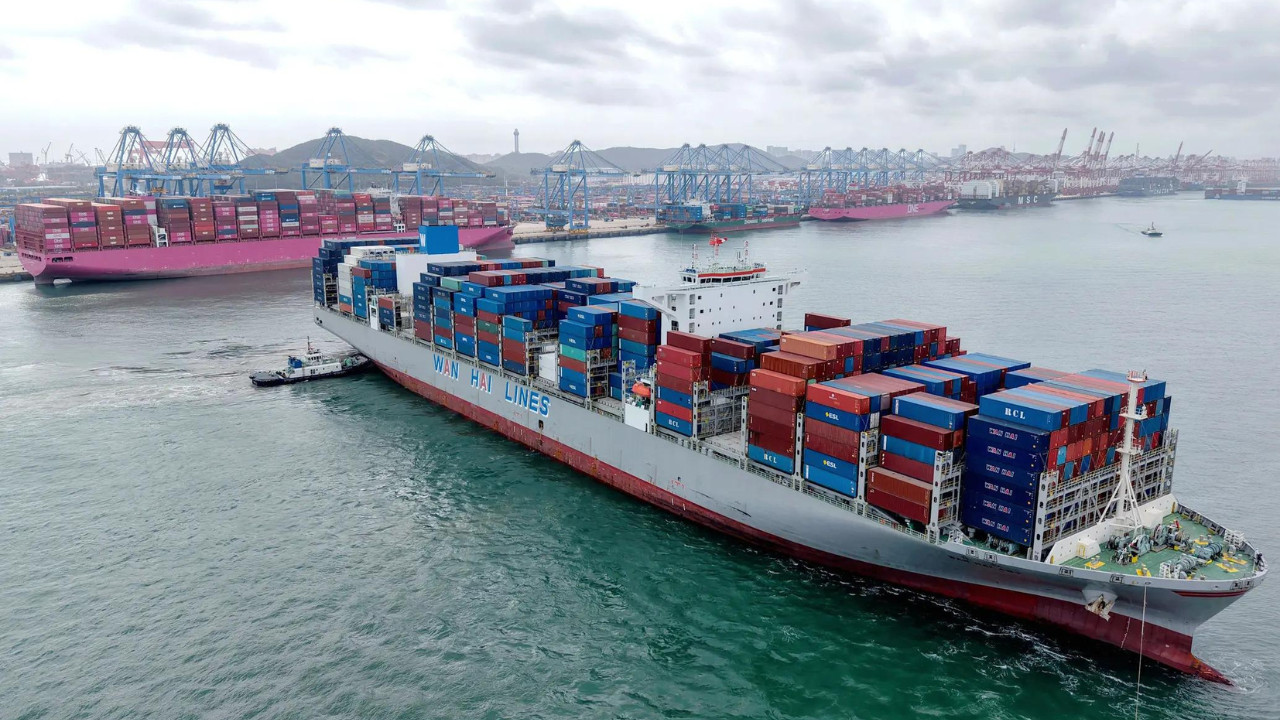
French shipping giant CMA CGM is eyeing India as a hub for constructing small, LNG-powered container vessels, signing a letter of intent for six ships worth $300 million. This historic deal, following discussions with Prime Minister Modi, marks India’s first container ship order from a global mainline operator.
India’s Ports Prepare for a Greener Tide: CMA CGM’s LNG-Powered Bet
The salty air of India’s coastline might soon carry a different scent – the cleaner exhaust of Liquefied Natural Gas (LNG)-powered container ships. French shipping giant CMA CGM has just placed an order for six such vessels, a move signaling a significant investment, roughly $300 million, in a more sustainable future for maritime trade with India.
It feels like only yesterday that the clamor for immediate profits trumped long-term environmental responsibility. The shipping industry, a vital artery in global commerce, hasn’t always been the greenest. But a shift is brewing, driven by both regulatory pressure and a growing awareness that a healthy planet is good for business. CMA CGM’s commitment feels like a tangible step in that direction.
Why India, specifically, for this eco-conscious expansion? The answer lies in India’s burgeoning economy and its strategic geographic location. The nation is rapidly becoming a major hub for international trade, and its port infrastructure is undergoing significant upgrades to handle the increasing volume of goods. This positions India as a prime location to capitalize on the efficiency and environmental benefits that LNG-powered vessels offer.
The move by CMA CGM isn’t simply about swapping fuel types. It’s about embracing a holistic approach to sustainability in shipping. LNG offers a considerable reduction in greenhouse gas emissions compared to traditional heavy fuel oil. We’re talking about significantly less sulfur oxide, particulate matter, and nitrogen oxide released into the atmosphere, contributing to cleaner air in and around port cities. While not a zero-emission solution, it’s a substantial leap forward.


But the ripple effects extend beyond just cleaner air. The adoption of LNG-powered ships necessitates investment in new infrastructure, including LNG bunkering facilities at Indian ports. This creates opportunities for local businesses and encourages innovation in the energy sector. It could also spur further adoption of alternative fuels within India’s domestic shipping industry.
This isn’t CMA CGM’s first foray into LNG-powered shipping. The company has been a vocal advocate for sustainable practices and has already incorporated a number of LNG vessels into its global fleet. Their experience in this area provides a level of confidence that this investment in India will yield positive results.
Of course, challenges remain. The initial cost of LNG-powered vessels is higher than that of their traditional counterparts. And the availability of LNG bunkering infrastructure is still limited in some parts of the world. However, as technology advances and demand for cleaner shipping solutions grows, these hurdles are likely to diminish.
The move also underlines the importance of government support in driving the adoption of sustainable technologies. Policies that incentivize the use of cleaner fuels and encourage investment in green infrastructure will be crucial in accelerating the transition to a more environmentally responsible shipping industry. Perhaps this move will encourage governmental support for similar projects.

Moreover, the decision to deploy LNG-powered ships serves as a powerful message to other players in the shipping industry. It demonstrates that sustainability is not just a buzzword, but a viable business strategy. As consumers become increasingly aware of the environmental impact of their purchasing decisions, companies that prioritize sustainability will gain a competitive advantage.
This is a welcome breath of fresh air, hopefully signaling a real sea change, pun intended, in how business is done on the water. And it aligns perfectly with India’s own commitment to reducing its carbon footprint and embracing a more sustainable future. (Check out our other article on India’s renewable energy initiatives here).
Ultimately, CMA CGM’s investment in LNG-powered container ships for the Indian market is more than just a business transaction; it’s a testament to the growing recognition that economic growth and environmental stewardship can go hand in hand. It’s a bold step toward a cleaner, more sustainable future for maritime trade, and a clear indication that India is poised to play a leading role in that transformation. It’s time to watch India rise as a greener, more sustainable force in global shipping.