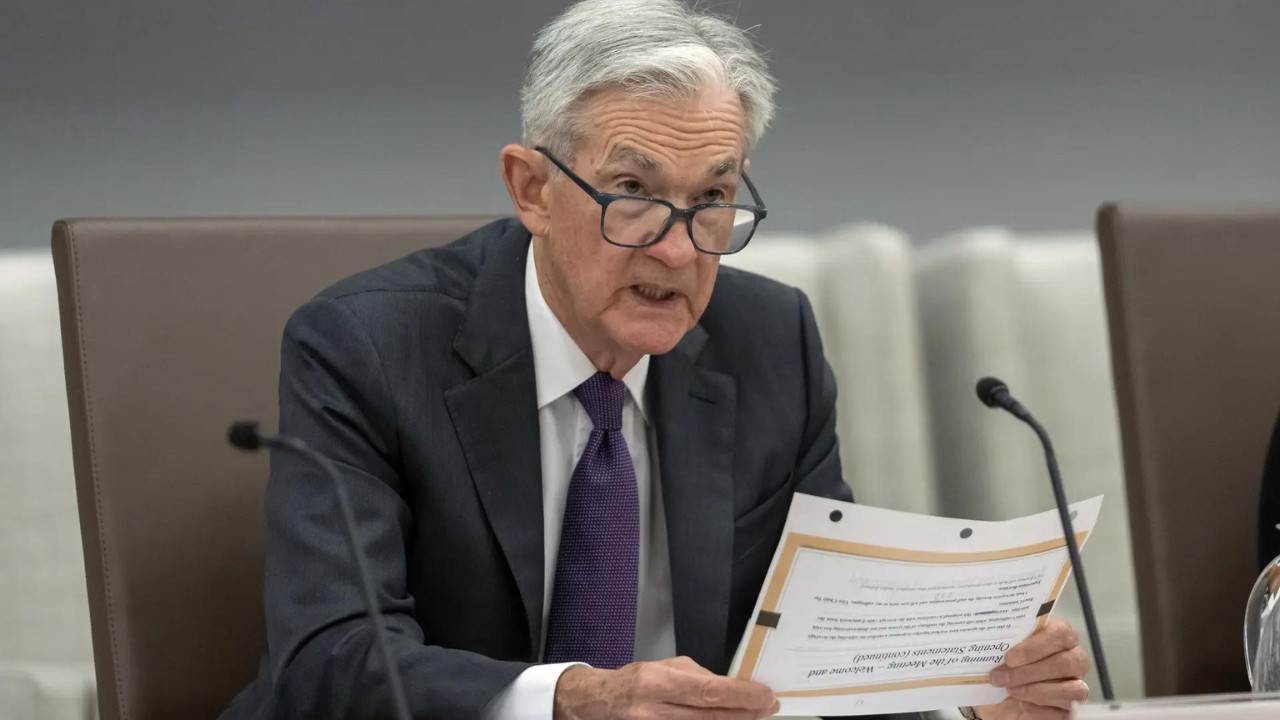
Jerome Powell highlights the importance of the Federal Reserve’s independence. This comes as Donald Trump pushes for interest rate cuts. Powell says the Fed is focused on economic stability for everyone. The Fed is holding rates steady due to trade policy uncertainty. Inflation may rise this summer. A rate cut in July is not off the table.
Navigating the Economic Maze: The Fed’s Tightrope Walk
The air crackles with anticipation. Not just on Wall Street, but Main Street too. All eyes are glued to the Federal Reserve, watching its every move, parsing every word from Chair Jerome Powell. The pressure is on, and the stakes? Well, they couldn’t be higher. The health of the US economy, and arguably the global financial landscape, hinges on the Fed’s delicate balancing act.
Let’s be honest, the economic waters have been choppy. Inflation, that persistent little gremlin, has proven harder to tame than initially hoped. Interest rates, the Fed’s primary weapon against inflation, have been steadily climbing, impacting everything from mortgage rates to business investment. But raising rates too aggressively risks slamming the brakes on economic growth, potentially triggering a recession. It’s a tightrope walk with no safety net.
And adding another layer of complexity is the ever-present political dimension. With a presidential election looming, the Fed finds itself under increased scrutiny – and pressure – to act in ways that might be perceived as politically motivated. Former President Trump, never one to shy away from expressing his opinions, has been particularly vocal in his criticism of the Fed’s policies, urging for lower interest rates to stimulate the economy. This external pressure adds a significant burden to the Fed’s decision-making process.
But Powell has remained resolute in emphasizing the Fed’s commitment to its dual mandate: price stability and maximum employment. He has repeatedly stressed the importance of maintaining the Fed’s independence from political influence. This isn’t just about bureaucratic integrity; it’s about ensuring that monetary policy decisions are based on sound economic analysis, not short-term political considerations.


The question on everyone’s mind, of course, is: what’s next for interest rates? Will the Fed continue its rate-hiking campaign, or will it pause, or even, dare we say, begin to cut rates? The answer, as always, is shrouded in uncertainty. The Fed is carefully monitoring a range of economic indicators, including inflation data, employment figures, and GDP growth, to inform its decisions.
Powell himself has been careful to avoid making any definitive pronouncements, emphasizing that future policy decisions will be data-dependent. However, he has also acknowledged that the Fed is aware of the potential risks of overtightening and is prepared to adjust its course if necessary.
The possibility of future interest rate cuts hasn’t been entirely dismissed. While the Fed’s primary focus remains on bringing inflation under control, it’s also mindful of the need to support economic growth. If inflation shows clear signs of easing and the economy begins to weaken, the Fed may well consider lowering rates to provide a boost. This pivot would be significant, signaling a shift from fighting inflation to supporting growth.
Of course, predicting the future is a fool’s errand. The economic landscape is constantly evolving, and unexpected events can quickly throw even the most carefully laid plans into disarray. Geopolitical tensions, supply chain disruptions, and shifts in consumer behavior can all have a significant impact on the economy and the Fed’s policy decisions.

For those looking to deepen their understanding of the economy, check out this article on the latest insights into inflation management.
So, where does this leave us? In a state of watchful waiting. The Fed’s tightrope walk continues, and the path ahead remains uncertain. But one thing is clear: the Fed’s decisions will have a profound impact on the lives of Americans and the global economy for months and years to come. We can expect continued close monitoring of economic data, careful communication from the Fed, and a willingness to adapt as circumstances evolve. The journey is far from over, and the destination remains shrouded in the fog of economic uncertainty. The future direction of interest rates depends largely on incoming data, and the Fed has made it clear they will continue to be agile and data-driven in their approach.