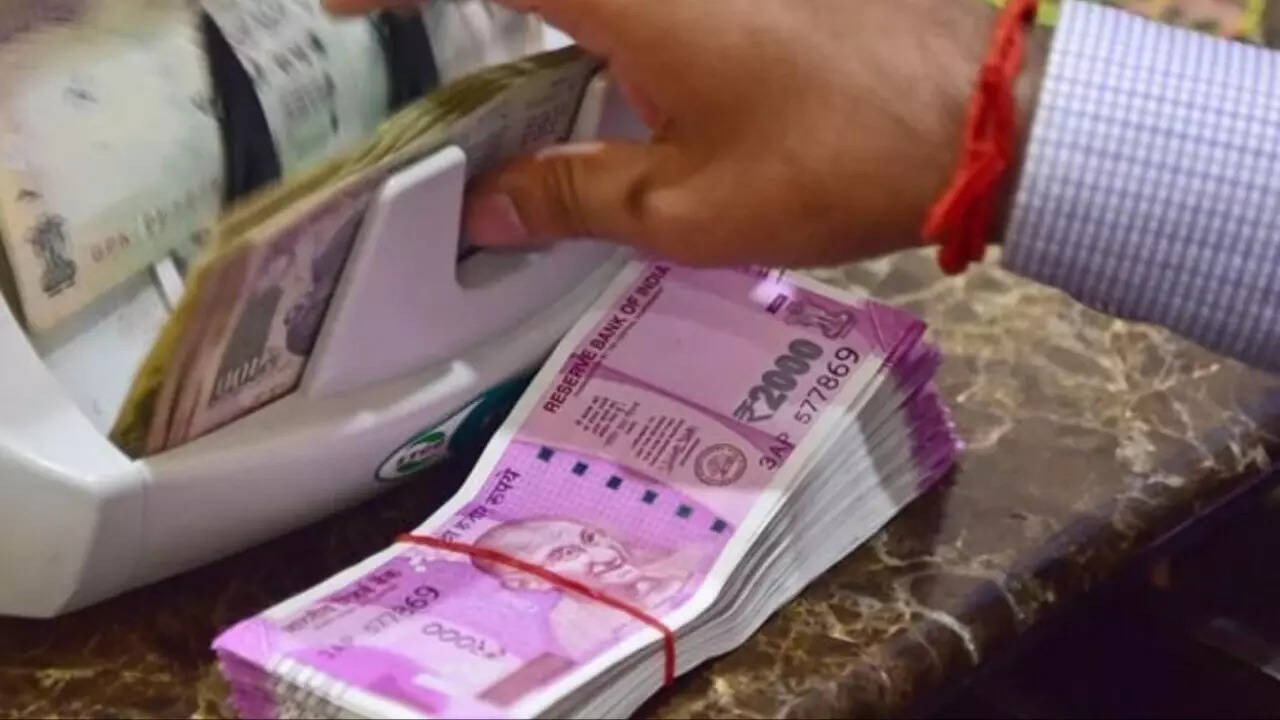
The Reserve Bank of India (RBI) has prohibited banks and other regulated lenders from charging prepayment fees on floating-rate loans taken by individuals for non-business purposes. Effective January 1, 2026, this directive aims to increase transparency and borrower flexibility. The new rules consolidate previous circulars and ensure clear disclosure of any applicable prepayment charges.
Freedom from Fees: How RBI’s New Directive Will Reshape Lending
Imagine finally paying off that pesky loan, only to be slapped with a hefty prepayment penalty. Frustrating, right? Thankfully, the Reserve Bank of India (RBI) is taking steps to eliminate this pain point for borrowers across the board, promising a future where loan freedom truly means freedom. By 2026, lenders will no longer be able to levy prepayment charges on any type of loan, giving borrowers unprecedented control over their finances.
This isn’t just a small tweak; it’s a fundamental shift in the lending landscape. For years, prepayment penalties have been a source of contention, often feeling like a trap for those who manage to improve their financial standing and want to accelerate their debt repayment. The RBI’s move aims to create a fairer and more transparent system, empowering individuals and businesses to manage their finances more effectively.
Why Scrap Prepayment Penalties? The Logic Behind the Move
The rationale behind this directive is simple: financial freedom and flexibility. Prepayment penalties often discourage borrowers from paying off their loans early, even when they have the means to do so. This can result in higher overall interest payments and prolonged debt cycles. By removing these penalties, the RBI aims to encourage responsible financial behavior and facilitate quicker debt reduction.
Think of it as removing a roadblock on your path to financial well-being. When you have the option to pay off your debts faster without incurring extra costs, you’re more likely to take control of your financial future. This can lead to increased savings, investment opportunities, and overall economic stability. The RBI clearly sees this as a win-win for both borrowers and the economy as a whole.
Impact on Borrowers: More Power in Your Hands
The most obvious benefit is, of course, the elimination of prepayment charges. But the implications go much deeper. Borrowers will gain significantly more control over their loan terms. They can shop around for better interest rates, refinance their loans without penalty, and accelerate their repayments whenever they have extra funds available.


This freedom extends to various loan types, including home loans, personal loans, and business loans. Whether you’re a homeowner looking to refinance at a lower rate or a small business owner wanting to pay off a loan early, this directive will level the playing field.
What This Means for Lenders: Adapting to the New Reality
While this is undoubtedly a positive development for borrowers, it will require lenders to adjust their business models. Prepayment penalties have historically been a source of revenue, helping lenders offset potential losses from early loan closures. With this revenue stream removed, lenders may need to explore alternative strategies to maintain profitability.
One possible outcome is a slight increase in overall interest rates to compensate for the loss of prepayment income. However, the RBI’s move is likely to encourage greater competition among lenders, which could mitigate any significant rate hikes. It may push lenders to focus on providing better customer service and building long-term relationships with their clients, rather than relying on penalties for revenue.
The directive might also spur innovation in loan products, with lenders offering more flexible repayment options and customized loan terms to attract borrowers. The key for lenders will be to adapt and find new ways to thrive in a more borrower-friendly environment.
The Road Ahead: Implementation and Beyond
The RBI’s directive is a welcome step towards a more equitable lending system. However, the true impact will depend on how effectively it is implemented and how lenders respond to the new regulations. The transition period leading up to 2026 will be crucial in ensuring a smooth adjustment for both borrowers and lenders.

Borrowers should stay informed about their rights and be proactive in exploring their loan options. Lenders, on the other hand, should focus on developing innovative and customer-centric products that meet the evolving needs of borrowers.
You might also be interested in learning more about how interest rates are determined. Read our explainer on Understanding How Interest Rates Work to learn more.
Ultimately, the elimination of prepayment penalties is a positive step towards financial empowerment. It puts more control in the hands of borrowers, encourages responsible financial behavior, and promotes a more transparent and competitive lending environment. While challenges may arise during the transition, the long-term benefits for the Indian economy are undeniable.