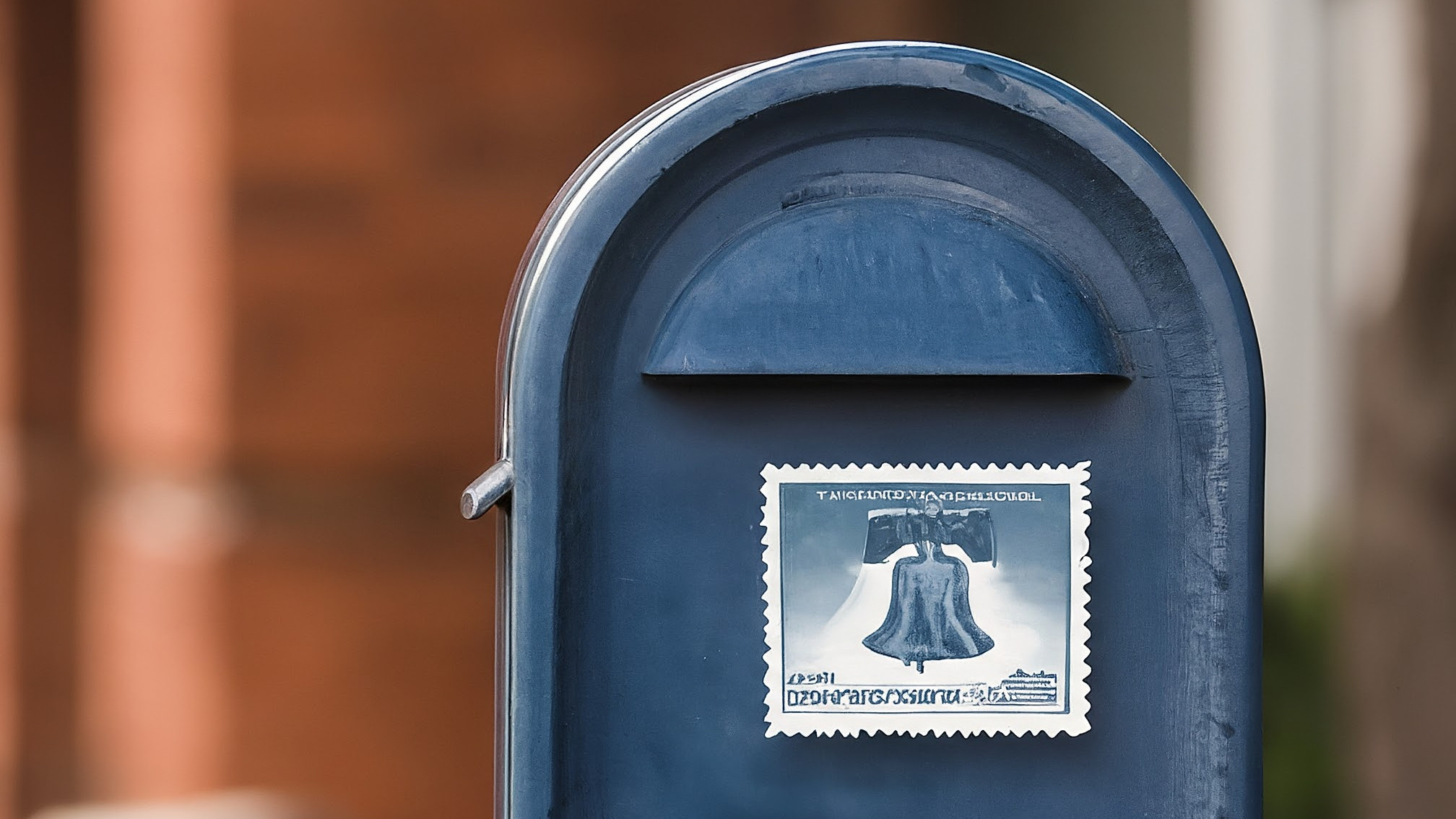
The United States Postal Service is increasing the price of first-class Forever stamps from 73 cents to 78 cents, along with other services, effective Sunday, July 13. This decision, confirmed by USPS, follows a review by the Postal Regulatory Commission and is part of the Delivering for America 10-year plan to support financial goals.
The Price of a Letter: Why Your Stamp Collection is About to Become More Valuable
Remember the satisfying thwack of dropping a letter in the mailbox? In our increasingly digital world, handwritten notes and snail mail might seem quaint, but they hold a certain charm and weight that emails simply can’t replicate. But that charm is about to come at a slightly higher price. As of July 13th, the United States Postal Service (USPS) has raised the price of a First-Class Forever stamp to 78 cents.
Yes, you read that right. Your trusty Forever stamps, those little squares of adhesive that have faithfully carried your birthday cards, thank you notes, and even the occasional bill, are getting a price bump. It’s a change that might seem small on the surface, but it ripples through our wallets and raises questions about the future of physical mail.
Why the Stamp Hike? A Deeper Look
So, why the price increase? The USPS, like many postal services around the globe, faces a complex set of challenges. On one hand, the volume of letters being sent continues to decline as more people opt for digital communication. On the other hand, the cost of operations, including employee salaries, transportation, and infrastructure maintenance, continues to rise. This leaves the USPS in a precarious position, constantly striving to balance its budget while providing a vital service.
This isn’t the first time we’ve seen postage rates go up, and it likely won’t be the last. The USPS has been strategically adjusting prices to mitigate financial losses and invest in modernization efforts. They’re aiming to improve efficiency, streamline operations, and ultimately, deliver mail more reliably and affordably in the long run.

How This Affects You (and Your Grandma)
Let’s be honest, an extra five cents per stamp isn’t going to break the bank. But for those who rely heavily on mail – small businesses sending invoices, individuals mailing checks, or your Grandma sending her famous handwritten recipes – the cost can add up.

Consider the implications for small businesses. A company sending out hundreds of invoices each month will now incur a noticeably higher postage expense. Individuals who prefer paying bills via mail will also see a slight increase in their monthly outgoings. And, of course, for anyone who sends holiday cards or other seasonal greetings, the cost of spreading cheer just got a little bit pricier.
For collectors, this constant fluctuation affects the perceived and potential actual value of postage stamps. A well-maintained, complete collection may just be worth holding onto for the long term.
What Does the Future Hold for Snail Mail?
The USPS is actively exploring new ways to stay relevant in a digital age. From offering package tracking services to investing in eco-friendly delivery methods, they’re working to adapt to changing consumer needs. They’re also heavily involved in package delivery, a segment that has seen significant growth thanks to the e-commerce boom.

The price increase could potentially accelerate the shift towards digital communication. While some might see this as a nail in the coffin for physical mail, others believe it could lead to a resurgence of handwritten letters and personalized cards. In a world saturated with digital noise, the tangible feel of a handwritten letter can be a powerful and meaningful gesture. Maybe the increase will drive people back to this more personal, slower method of communicating.
Check out our piece on innovative solutions for [sustainable packaging](internal-link-to-related-content) to understand how the USPS is addressing e-commerce boom.
Embracing the Change: A Chance to Reconnect
The latest stamp hike serves as a reminder of the evolving landscape of communication. While the digital world offers unparalleled speed and convenience, there’s something undeniably special about receiving a handwritten letter or a thoughtfully chosen card in the mail. Perhaps this price increase will prompt us to be more intentional about our use of physical mail, choosing to send letters for occasions that truly matter and appreciating the unique connection they foster. It’s a nudge to slow down, put pen to paper, and send a little piece of ourselves through the postal system. The increased cost might just make those connections even more valuable.