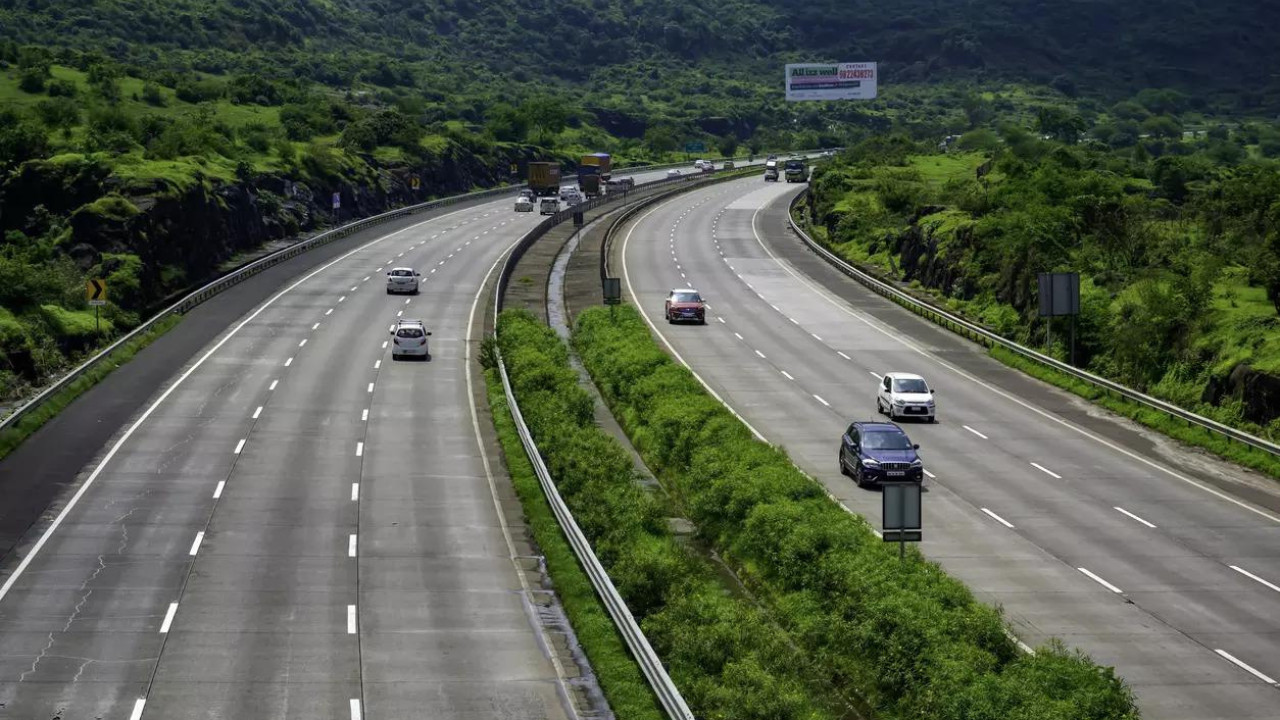
The Comptroller and Auditor General of India has criticized the Maharashtra government for an irregular revenue waiver of Rs 71.07 crore granted to the Mumbai Pune Expressway toll operator, IRB, during the COVID-19 lockdown. Despite contractual clauses stating each party should bear force majeure costs, MPEL compensated IRB, violating the agreement.
Mumbai-Pune Expressway Toll: A Curious Case of COVID Compensation?
The Mumbai-Pune Expressway, a vital artery connecting two of Maharashtra’s biggest urban hubs, has always been a subject of intense scrutiny, from its construction to its ever-fluctuating toll rates. Now, a new report from the Comptroller and Auditor General of India (CAG) has thrown a spotlight on a rather unusual aspect: compensation paid to the toll collecting company during the COVID-19 pandemic.
The CAG’s findings reveal that Maharashtra State Road Development Corporation (MSRDC) disbursed ₹71 crore to the toll operator for losses purportedly incurred due to pandemic-related disruptions. This raises some eyebrows and begs the question: was this compensation justified, or did it represent an overreach in pandemic relief measures?
Unpacking the COVID Compensation Claim
The justification for this payout hinged on the significant reduction in traffic volume during the lockdown periods. With businesses shuttered and travel severely restricted, the number of vehicles plying the Mumbai-Pune Expressway plummeted. This naturally impacted the toll operator’s revenue.
However, the CAG report suggests that the basis for calculating these losses might not have been entirely sound. The auditors have pointed out discrepancies and inconsistencies in the data used to assess the actual revenue shortfall. This raises concerns about the accuracy and fairness of the compensation claim, suggesting that the actual losses suffered by the toll operator might have been less than what was ultimately compensated.

Were the Losses Exaggerated?
One of the key issues highlighted by the CAG is the methodology used to project future traffic volume and, consequently, potential revenue. The projection models used appear to have been overly optimistic, potentially inflating the perceived losses due to the pandemic.
Think of it like this: if you consistently overestimate your potential earnings, any dip below that inflated expectation will seem much larger than it actually is. The CAG seems to suggest a similar scenario played out with the Mumbai-Pune Expressway toll collection.

Furthermore, the report raises questions about the lack of robust verification mechanisms. While MSRDC relied on the toll operator’s data to assess the losses, the CAG suggests there wasn’t sufficient independent verification to ensure the accuracy of the figures. This lack of oversight opens the door to potential overreporting of losses and, consequently, excessive compensation.
Implications and Future Considerations for Expressway Tolls
This revelation has broader implications beyond just the Mumbai-Pune Expressway. It highlights the need for greater transparency and accountability in public-private partnerships, especially when it comes to compensating private entities for unforeseen circumstances.
When drawing up contracts for infrastructure projects, perhaps there needs to be more clearly defined criteria and independent verification processes to determine eligibility and quantum of compensation in the event of unforeseen disruptions, whether they be pandemics, natural disasters, or economic downturns.
This isn’t to say that private companies should bear the entire burden of such events. After all, they are essential partners in developing and maintaining vital infrastructure. However, the public has a right to know that taxpayer money is being used responsibly and that compensation is based on verifiable data and sound methodology.
The Mumbai-Pune Expressway isn’t the only major infrastructural project in Maharashtra, and similar issues surrounding toll collection and revenue guarantees also plague the Samruddhi Mahamarg. Addressing these challenges and ensuring fairness and transparency in all such ventures is paramount.
Moving Forward
The CAG report serves as a wake-up call for MSRDC and other government agencies involved in public-private partnerships. It’s a reminder of the importance of due diligence, independent verification, and robust oversight mechanisms. By learning from this experience, we can ensure that future infrastructure projects are managed more effectively and that public funds are used responsibly. The saga highlights the vital necessity of meticulously assessing and validating revenue projections for expressway tolls and other infrastructural investments.