LVMH, grappling with declining sales and consumer fatigue, plans a second Texas factory amid US-Europe trade tensions. CEO Bernard Arnault advocates for trade agreements while the company navigates challenges in its fashion and leather goods division. Despite a sales drop, LVMH sees potential in its brands and a revival in China, facing competition from mass-market players.
Louis Vuitton Bets Big on American Craftsmanship with New Texas Factory
Luxury powerhouse Louis Vuitton is doubling down on its commitment to U.S. manufacturing, announcing plans for a second factory in Texas. This move, championed by CEO Bernard Arnault, signals a potent blend of ambition and strategic foresight, riding the wave of strong American demand and reflecting a positive outlook on upcoming trade negotiations. But what does this mean for the future of luxury goods and the evolving relationship between European heritage and American innovation?
The new factory, set to join its sister facility already operating in the Lone Star State, underscores Louis Vuitton’s confidence in the skilled workforce and economic climate of Texas. It’s more than just adding another production line; it’s a tangible investment in the “Made in America” narrative, a story that resonates deeply with a significant portion of the brand’s consumer base.

Why Texas, though? Beyond the favorable business environment, Texas represents a strategic foothold in the heart of the American market. It provides easier access to distribution networks and allows for a quicker response to changing consumer preferences. Building a strong, local presence ensures Louis Vuitton can tailor its offerings to American tastes and maintain a competitive edge in this crucial market.

Navigating the Trade Winds
Arnault’s announcement also alluded to hopes for favorable outcomes from upcoming trade talks between the U.S. and the EU. The implications of these negotiations are far-reaching, potentially impacting everything from tariffs to intellectual property protection. A smoother trade landscape would undoubtedly benefit Louis Vuitton, streamlining its supply chain and reducing potential costs associated with cross-border commerce. The CEO clearly sees a future where transatlantic trade facilitates growth rather than hinders it.
The Allure of Luxury Leather Goods
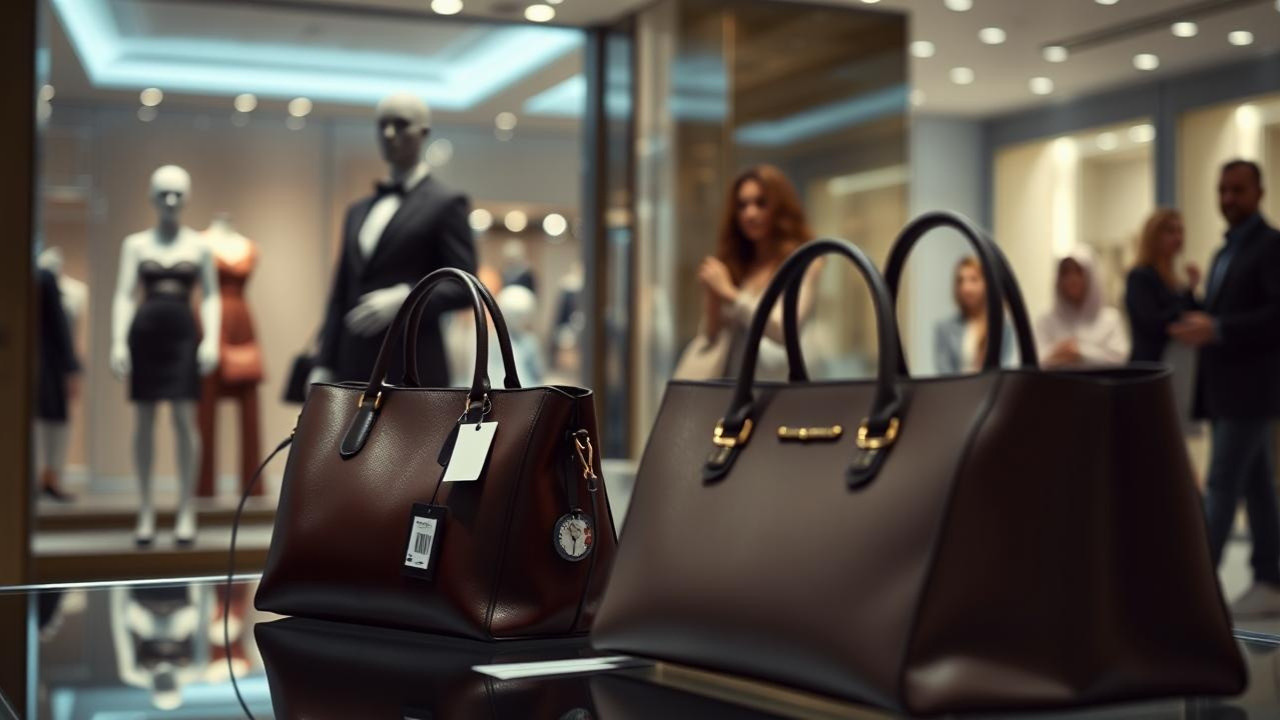
The decision to concentrate production on luxury leather goods in Texas speaks volumes about Louis Vuitton’s core strategy. Leather goods have always been at the heart of the brand’s identity, representing a blend of exquisite craftsmanship and timeless elegance. By expanding its manufacturing capabilities in this area, Louis Vuitton aims to maintain its high standards of quality while also catering to the increasing demand for these coveted items.
The choice to focus on leather suggests they’re not just aiming for volume, but for enhanced control over the production of some of their most valuable products. This localized approach can offer more direct oversight of quality control and supply chain management.
Investing in American Craftsmanship
This expansion is not just about increasing production capacity. It’s about investing in American craftsmanship and creating new opportunities for skilled workers. Louis Vuitton’s presence in Texas already provides jobs and contributes to the local economy. With the addition of a second factory, that impact will only amplify.
Companies like Louis Vuitton recognize the value of a highly skilled workforce. By establishing factories in the U.S., they are tapping into a talent pool that can uphold the brand’s commitment to excellence. See how other luxury brands are adapting to the evolving marketplace in our article about [Chanel’s latest strategic moves](internal-link-to-related-content).

The move also reinforces the idea that “luxury” is not solely defined by European heritage. By blending European design with American manufacturing prowess, Louis Vuitton is creating a new paradigm in the luxury goods industry. It’s a fusion of tradition and innovation that could set the stage for other luxury brands to follow suit.
The Road Ahead for Louis Vuitton
The success of Louis Vuitton’s U.S. expansion hinges on several factors, including the continued strength of the American economy, favorable trade policies, and the brand’s ability to adapt to evolving consumer preferences. However, with a seasoned leader like Bernard Arnault at the helm, and a clear vision for the future, Louis Vuitton appears well-positioned to thrive in the American market. The new Texas factory isn’t just a building; it’s a testament to the brand’s long-term commitment to American consumers and its unwavering pursuit of excellence. It’s a bold bet on the future of luxury, where heritage meets innovation on American soil.