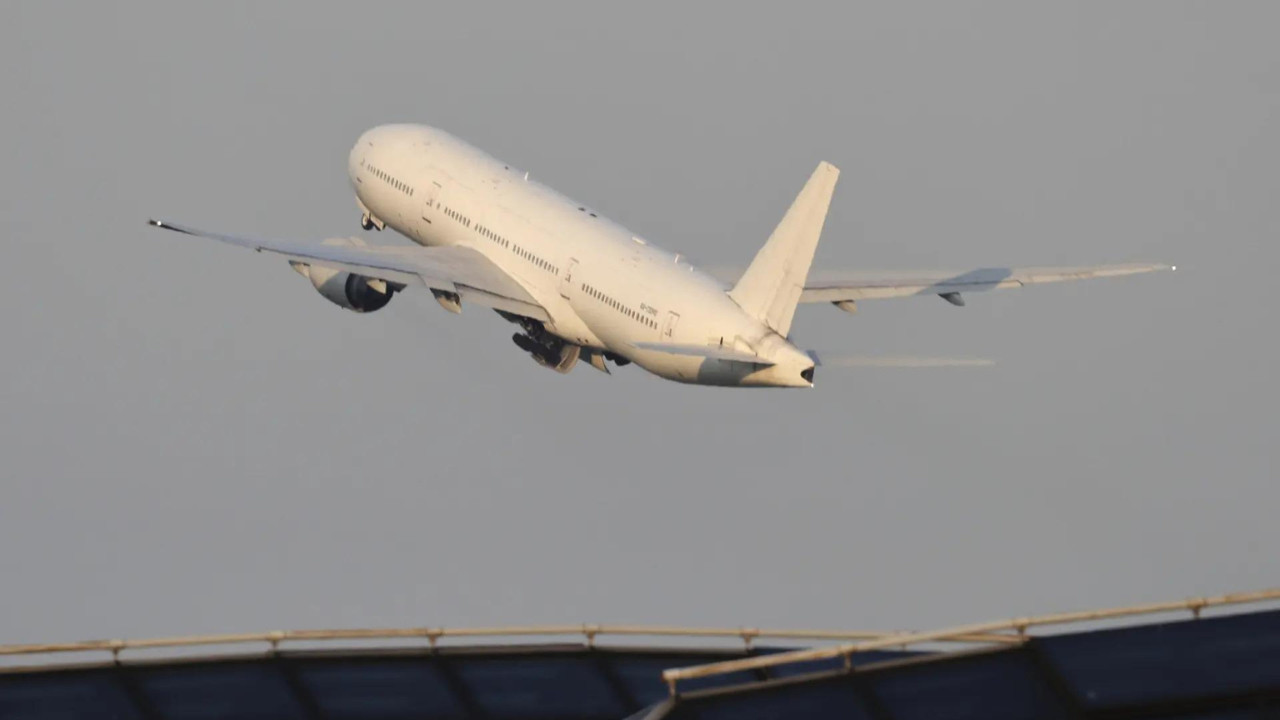
Russia has initiated direct commercial flights between Moscow and Pyongyang, marking a significant step in strengthening ties with North Korea. The inaugural Nordwind Airlines flight departed Moscow on Sunday, with plans for monthly service.
A New Flight Path: Moscow and Pyongyang Forge Closer Ties
The skies above Northeast Asia just got a little busier. After years of dormancy, a direct air route between Moscow and Pyongyang has sprung to life, signaling a potentially significant shift in the relationship between Russia and North Korea. This isn’t just about connecting two capitals; it’s about connecting two nations with increasingly intertwined interests. The first flight touched down recently, marking the official launch of what’s planned as a regular monthly service.
The inaugural flight was operated by Russia’s Nordwind Airlines, a company known for its international charter and scheduled services. While details surrounding the passenger manifest remain tightly under wraps, the symbolism of this revived air link is anything but subtle. It represents a tangible deepening of ties, a physical bridge built in the sky, connecting two countries often viewed as outliers on the global stage.
But why now? What factors have converged to make this once-dormant air corridor a priority?
One likely driver is the evolving geopolitical landscape. With Russia facing increasing isolation from the West due to the ongoing conflict in Ukraine, finding alternative partners has become paramount. North Korea, similarly, has long navigated a world of sanctions and diplomatic constraints. In this context, mutual reliance and shared strategic interests naturally foster closer cooperation.


The implications of this new flight path are multifaceted. Economically, it could pave the way for increased trade and investment between the two nations. While the exact nature of these economic exchanges remains to be seen, potential areas include resources, labor, and even technology. Remember, North Korea possesses a significant, albeit often underutilized, workforce, while Russia boasts vast natural resources and a well-developed industrial base. The monthly flight service could boost air travel between the two nations.
Beyond economics, the air link also holds significant political weight. It sends a clear message of defiance to the international community, particularly the United States and its allies, who have long sought to isolate both Russia and North Korea. By strengthening their bilateral relationship, Moscow and Pyongyang are signaling their willingness to chart their own course, regardless of external pressure.
Of course, challenges remain. Strict international sanctions targeting both countries could complicate efforts to expand economic cooperation. Logistical hurdles, such as currency exchange and differing business practices, will also need to be overcome. Furthermore, the long-term sustainability of the air route will depend on a continued convergence of strategic interests and a genuine commitment to building a robust partnership.
The revived air link also raises questions about regional security. While Russia maintains that its relationship with North Korea is purely economic and political, some observers worry about the potential for military cooperation. North Korea’s pursuit of nuclear weapons and ballistic missiles has long been a source of international concern, and any potential assistance from Russia, even indirectly, could exacerbate these tensions.

Air corridor accessibility could also see a change in tourism between the two nations. While tourism to North Korea is heavily restricted, the new Moscow-Pyongyang route could potentially open doors for a limited number of Russian tourists to visit the isolated nation, and vice versa. Whether this will actually materialize remains to be seen, but the possibility exists.
Ultimately, the launch of direct flights between Moscow and Pyongyang represents a significant development with far-reaching implications. It’s a move that reflects the shifting geopolitical landscape, the growing convergence of strategic interests between Russia and North Korea, and the potential for both economic and political cooperation. As the monthly flights continue, the world will be watching closely to see how this new chapter in their relationship unfolds. The establishment of this new air route is more than just a flight path, it’s a potential avenue for geopolitical re-alignment and a testament to the evolving world stage. It adds another layer of complexity to the already intricate web of international relations. To explore more about international affairs, learn about how countries are leveraging [digital diplomacy](internal-link).