Navigating the Shifting Sands: How Trump’s Trade Talk Could Reshape Indian Exports
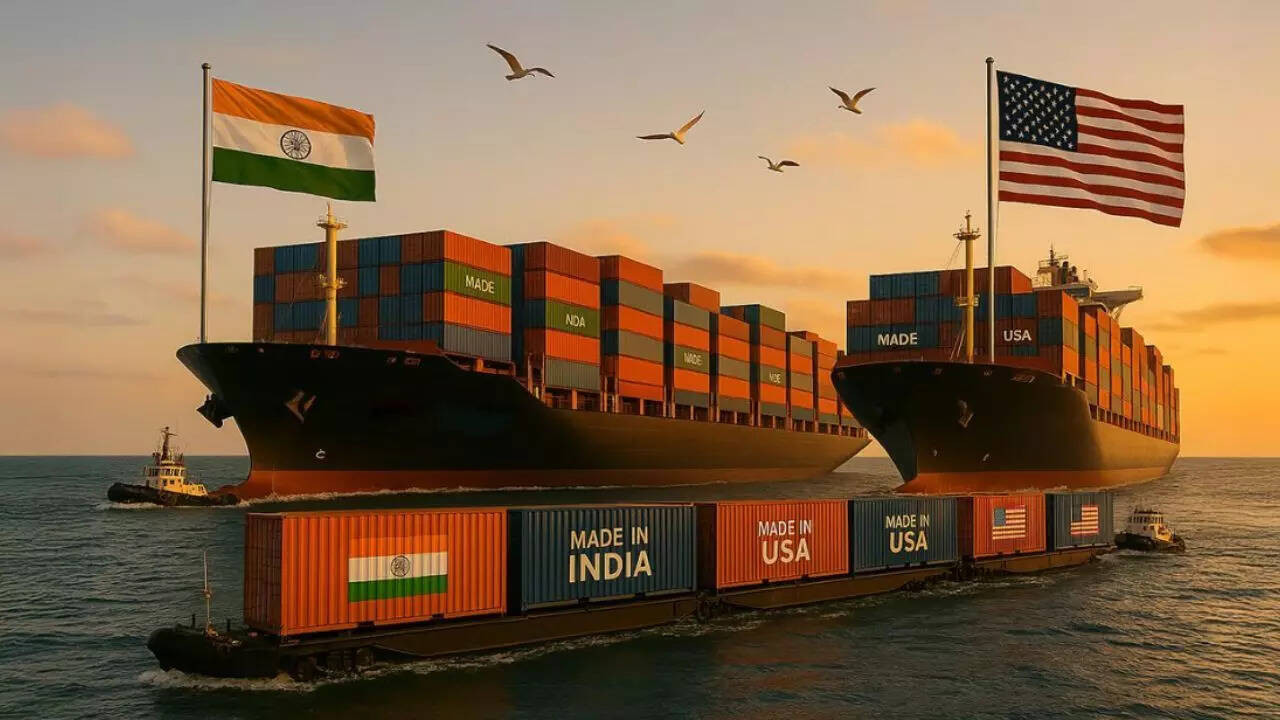
The global trade winds, already swirling with complexity, may be about to pick up even more speed. Donald Trump’s recent pronouncements regarding tariffs, particularly those aimed at countries like India, have sent ripples of concern through the export community. What does this all mean for Indian businesses striving to compete on the world stage? Let’s unpack the potential impacts.
A Tariff Tango: Understanding Trump’s Trade Rhetoric
Trump’s economic policy, characterized by a strong emphasis on protectionism and bilateral trade deals, is once again making headlines. The possibility of increased tariffs on goods from India, especially if implemented broadly, presents a real challenge. These tariffs, essentially taxes on imported goods, could make Indian products less competitive in the US market, potentially impacting a wide range of sectors.
But it’s not just about immediate price hikes. The very threat of tariffs creates uncertainty. Businesses thrive on predictability, allowing them to plan investments and manage supply chains effectively. A volatile trade environment can freeze decision-making, slow down expansion, and even force some exporters to re-evaluate their long-term strategies. Imagine you’re an Indian garment manufacturer, carefully crafting designs for the American market. The risk of a sudden tariff increase could force you to scale back production, delaying new hires and hindering innovation.


Sectors in the Spotlight: Which Indian Industries Face the Most Risk?
While the entire Indian export landscape could feel the chill, some sectors are more vulnerable than others. Key export categories like pharmaceuticals, textiles, and engineering goods are particularly sensitive to tariff changes. India has, over the years, built a strong presence in these sectors, competing on both price and quality. Increased tariffs could erode this competitive edge, potentially leading to a decline in exports and a corresponding impact on employment within these industries.
Moreover, the ripple effect extends beyond the specific exporting companies. Supporting industries, such as raw material suppliers, logistics providers, and packaging companies, could also feel the pinch. The health of the Indian export sector is intricately linked to a vast network of businesses, making any disruption a widespread concern.
Strategies for Survival: How Can Indian Exporters Adapt?
So, what can Indian businesses do to navigate these potentially turbulent waters? The key lies in diversification, adaptation, and proactive engagement. Diversifying export markets is paramount. Reducing reliance on a single market, like the US, can cushion the blow from tariffs imposed by any one country. Exploring new opportunities in regions like Southeast Asia, Africa, and Latin America could prove to be a strategic move.
Furthermore, investing in innovation and enhancing product quality is crucial. By offering unique, high-value products, Indian exporters can differentiate themselves from competitors and justify potentially higher prices. Exploring options for manufacturing or assembly within the US could also mitigate the impact of tariffs, although this requires significant investment and careful planning.

Finally, proactive engagement with policymakers is essential. Industry associations and individual companies need to articulate their concerns and advocate for policies that promote fair trade and protect Indian export interests. Understanding the nuances of trade negotiations and actively participating in the dialogue can help shape outcomes that are favorable to Indian businesses.
The Bigger Picture: India’s Trade Future
The potential impact of Trump’s trade policies underscores the importance of a resilient and diversified Indian economy. It’s a call to strengthen domestic manufacturing, invest in infrastructure, and foster a business environment that encourages innovation and competitiveness. While the future remains uncertain, one thing is clear: Indian exporters must be prepared to adapt, innovate, and engage in order to thrive in an ever-changing global trade landscape. This situation also highlights the importance of free trade agreements (FTAs) and India must continue actively pursuing and strengthening these agreements. FTAs with strategic partners help promote Indian exports by reducing or eliminating tariffs and other trade barriers.
[Link to related article on Indian Economy]
In conclusion, while the threat of increased tariffs undoubtedly casts a shadow, it also presents an opportunity. An opportunity to reassess strategies, embrace innovation, and forge a stronger, more resilient export sector that is well-equipped to navigate the complexities of the global marketplace. Only time will tell how this all plays out, but being prepared is half the battle.