RBI Governor Sanjay Malhotra acknowledges the difficulty in predicting the impact of potential US tariffs on India’s GDP growth. While the central bank retained its 6.5% GDP forecast for fiscal year 2025-26 and kept the repo rate unchanged, Malhotra emphasized ongoing global uncertainties.
Navigating the Shifting Sands: India’s Economy and the Spectre of US Tariffs
The global economic landscape is never static, more so now than ever. Recent pronouncements from across the Atlantic have sent ripples through the Indian market, raising questions about future growth and trade relations. Sanjay Malhotra, Governor of the Reserve Bank of India (RBI), recently weighed in on the potential impact of renewed tariff threats from the US, offering a grounded perspective amidst the swirling uncertainties.
The Looming Tariff Threat and Its Implications
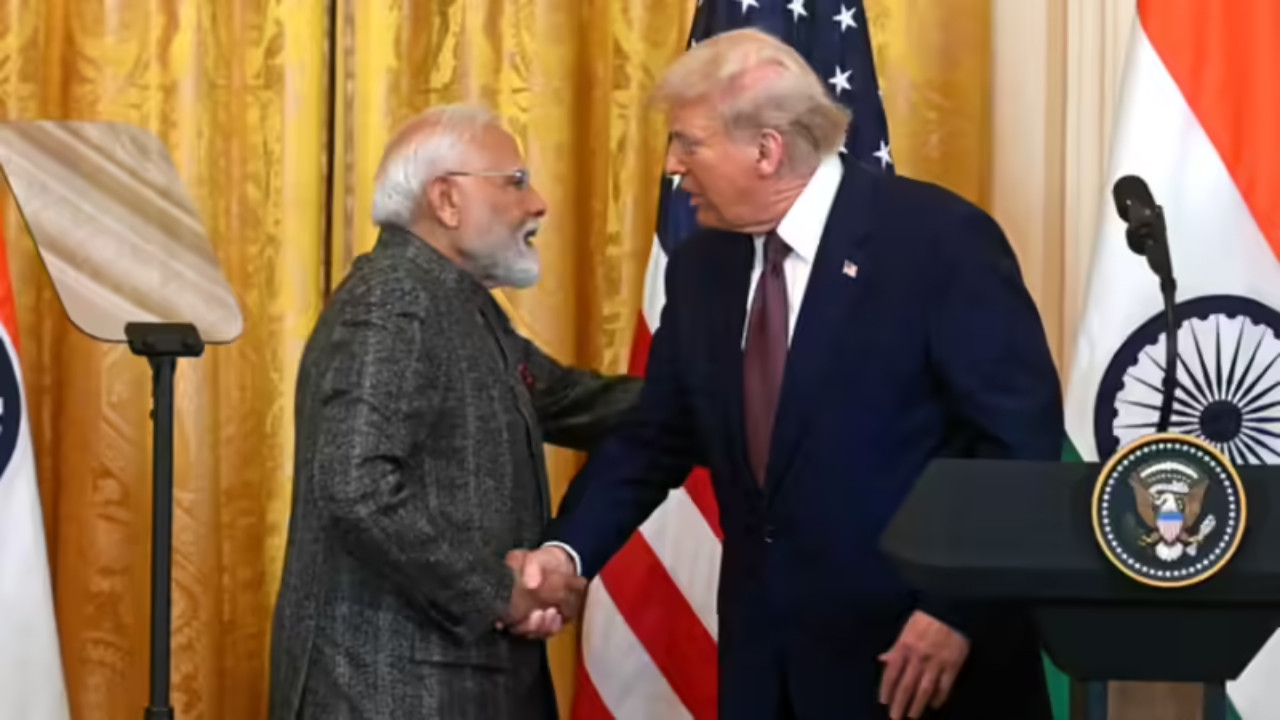
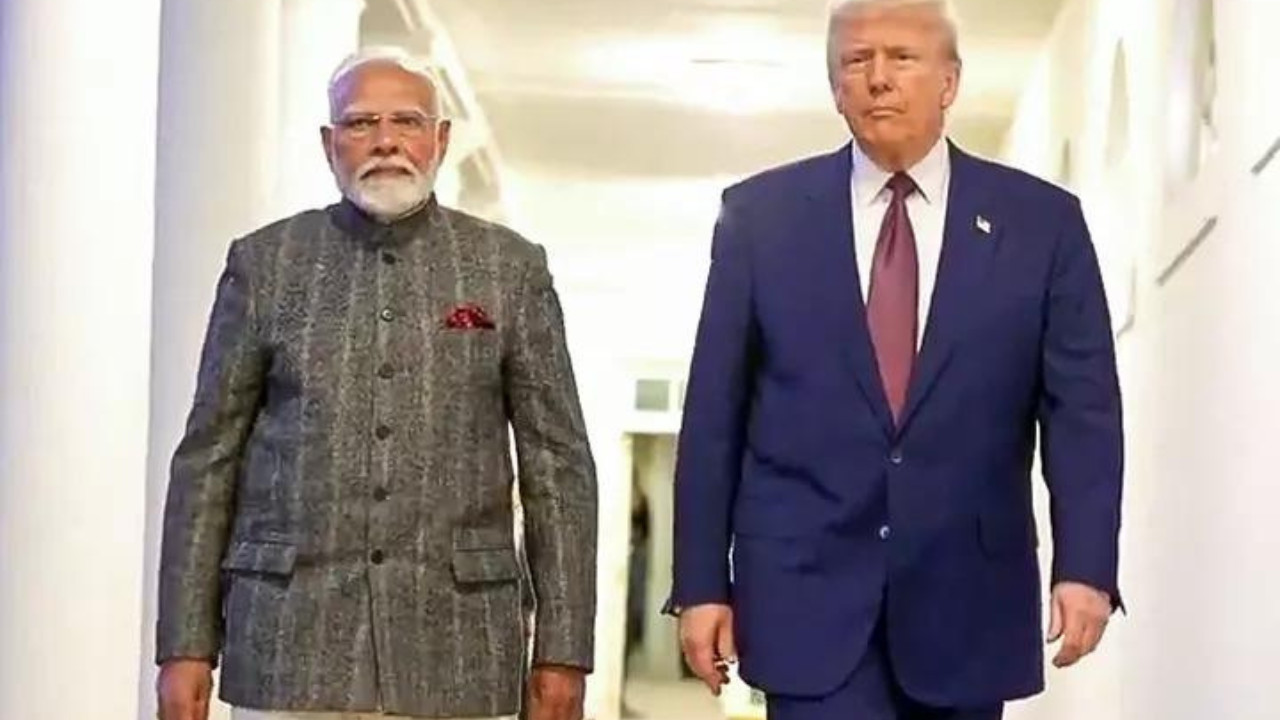
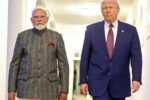
Former US President Donald Trump’s suggestions of higher tariffs on Indian goods, should he return to office, haven’t gone unnoticed. These aren’t idle threats. They represent a tangible risk to India’s export-oriented sectors, and consequently, its overall economic momentum. The governor acknowledged the difficulties in quantifying the precise impact of such measures. Predicting the precise nature and scale of any potential tariffs is, quite frankly, like trying to catch smoke. However, understanding the vulnerabilities in Indo-US trade is crucial for formulating proactive strategies.
The core concern lies in the potential disruption of established trade flows. Sectors like pharmaceuticals, textiles, and certain engineering goods are particularly reliant on the US market. Increased tariffs would immediately translate to higher costs for Indian exporters, potentially making them less competitive and impacting their profit margins. This could, in turn, affect employment within these sectors and ripple through the larger supply chain. It’s a domino effect nobody wants to see.

India’s Economic Resilience: A Balancing Act
While the tariff threat casts a shadow, the RBI Governor’s statements also highlighted the inherent strengths of the Indian economy. Domestic demand remains robust, fueled by a growing middle class and increasing consumption. Government spending on infrastructure projects also provides a significant boost to economic activity. These internal drivers offer a degree of insulation against external shocks.
Furthermore, India’s diversified export basket reduces its reliance on any single market. While the US is a key trading partner, India has also been actively strengthening ties with other regions, including Southeast Asia, Africa, and the Middle East. This diversification strategy is a crucial buffer against protectionist measures from any one nation.
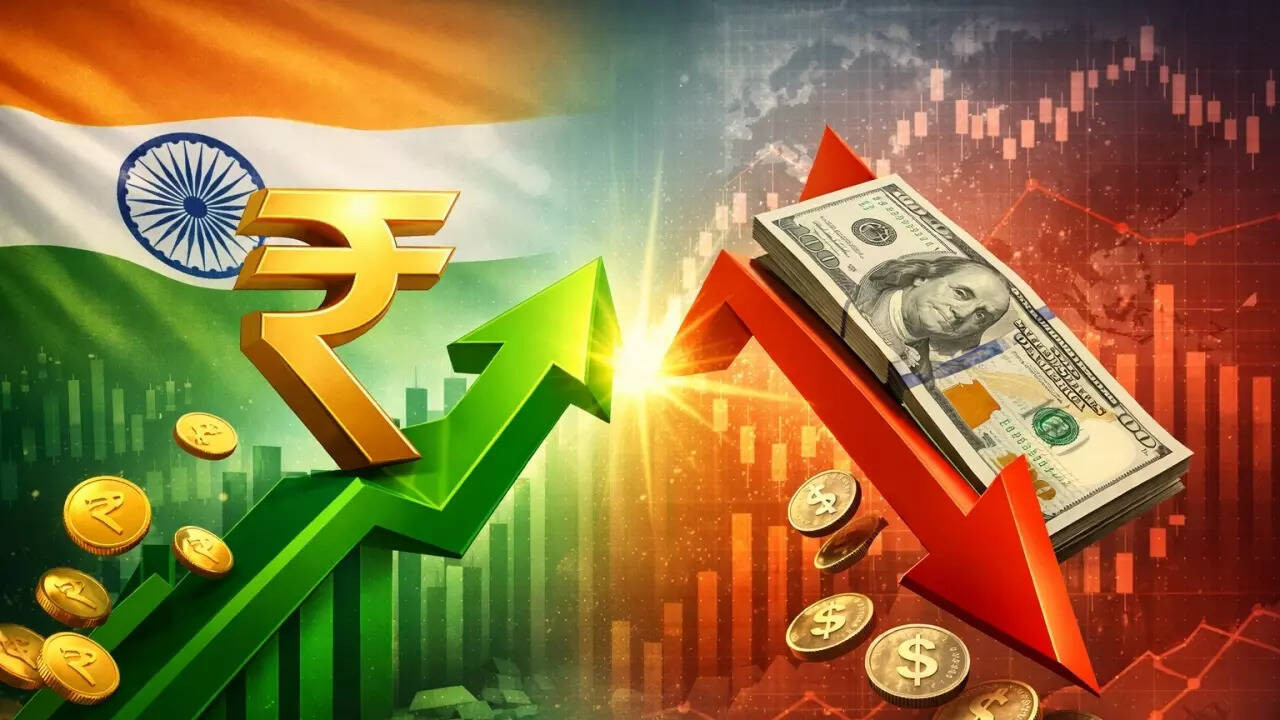
However, it’s crucial to acknowledge that even with these strengths, a substantial tariff hike could still significantly impact the overall GDP growth. Quantifying this is the tricky part. Governor Malhotra aptly noted the inherent difficulty in pinpointing the exact percentage point impact on GDP. The interplay of global factors and domestic policy responses makes such predictions inherently complex.
Navigating the Uncertainty: A Call for Vigilance
The current situation calls for a multi-pronged approach. Firstly, Indian policymakers must actively engage with their US counterparts to address concerns and find mutually beneficial solutions. Maintaining open lines of communication and fostering a cooperative trade environment is paramount.
Secondly, strengthening domestic manufacturing capabilities through initiatives like “Make in India” is essential. Reducing reliance on imports and boosting domestic production can enhance India’s self-sufficiency and resilience to external pressures. This also involves investing in research and development to promote innovation and technological advancement, enabling Indian businesses to compete on a global scale.
Thirdly, continued efforts to diversify export markets will be crucial. Exploring new opportunities in emerging economies and deepening existing partnerships will mitigate the impact of protectionist measures in any single market.
Finally, fostering a stable and predictable domestic economic environment is key. Sound fiscal management, prudent monetary policy, and reforms to improve the ease of doing business will enhance investor confidence and attract foreign investment, further bolstering India’s economic resilience. Explore our insights on [fiscal policy and economic growth](internal-link-to-relevant-article) for a deeper dive.
Charting a Course Through Uncharted Waters
The potential for increased tariffs from the US represents a real challenge, but India’s economic strengths and proactive policy measures can mitigate the impact. While predicting the future is impossible, a focus on diversification, domestic strength, and strategic engagement will be crucial for navigating these uncertain waters and ensuring continued economic growth for India. By staying agile and adaptable, India can weather these potential storms and continue its journey towards becoming a global economic powerhouse.