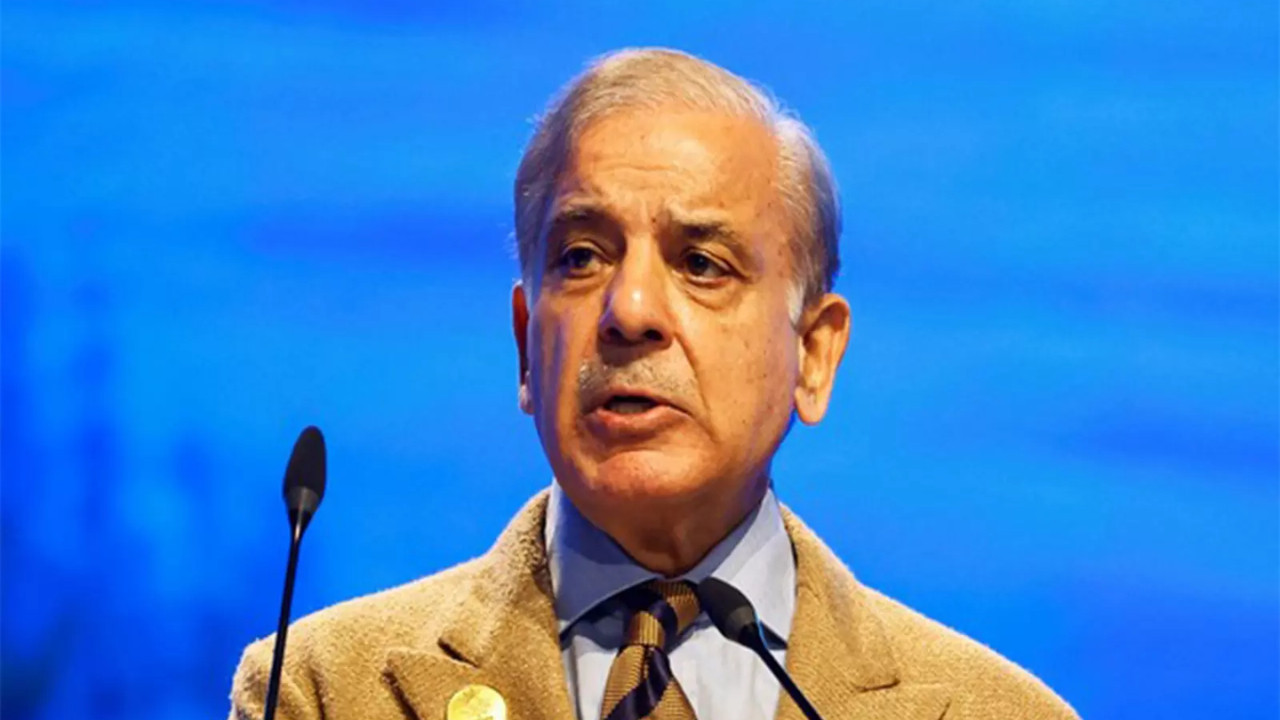
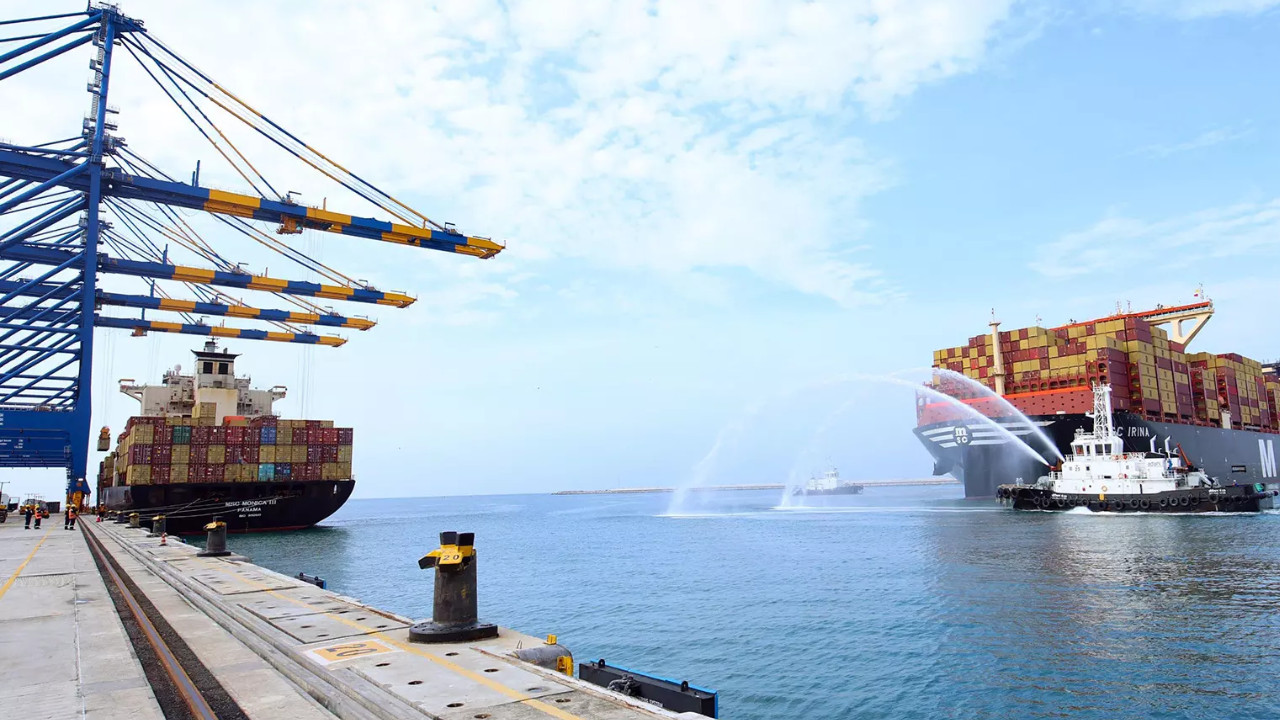
Donald Trump has announced a 25% ‘secondary tariff’ on Indian goods, effective August 27, to penalize India’s oil purchases from Russia. This aims to pressure India to sever ties with Russia, similar to secondary sanctions. The US tracks oil tanker movements via satellite to monitor countries buying Russian oil.
Navigating the Tariff Maze: What Trump’s 25% Hike Means for India
The world of international trade can feel like a high-stakes chess game, with countries maneuvering for economic advantage using a complex array of tools. Recently, one of those tools – tariffs – has come sharply into focus for India. A renewed threat of a 25% tariff imposed by former US President Donald Trump looms large, raising questions about its potential impact and the broader implications for global commerce.
But what exactly is a tariff, and why is this particular one causing so much discussion? Let’s break down the essentials, exploring how it could affect Indian businesses and the everyday consumer.
Understanding the Basics: What is a Tariff?
Imagine a toll booth on a highway. A tariff is essentially the same concept, but instead of cars, it’s applied to goods crossing international borders. It’s a tax levied by a government on imported goods. This tax increases the price of those goods, making them more expensive for consumers and businesses in the importing country.
The motivations behind imposing tariffs are varied. Governments might use them to protect domestic industries from foreign competition, to generate revenue, or as a bargaining chip in trade negotiations. However, tariffs can also lead to higher prices for consumers, retaliatory measures from other countries, and disruptions in global supply chains.


The Specter of a 25% Tariff on India: What’s at Stake?
The proposed 25% tariff from the US, particularly on goods from India, represents a significant potential hurdle. This isn’t a new issue; trade relations between the two countries have seen their share of friction over the years. The prospect of such a hefty tariff raises concerns across several sectors.
For Indian businesses, particularly those exporting goods to the US, this could mean a substantial loss of competitiveness. Suddenly, their products become significantly more expensive compared to domestic US alternatives or goods from countries not subject to the tariff. This can lead to decreased sales, reduced profits, and even job losses.
Consumers in the US could also feel the impact. While the goal might be to protect American industries, tariffs often translate into higher prices for a wide range of goods, from electronics and apparel to agricultural products. This can erode purchasing power and contribute to inflationary pressures.
Secondary Tariffs: A Deeper Dive
While the primary focus is on the headline 25% tariff, it’s crucial to understand the potential ripple effects. This is where the concept of “secondary tariffs” comes into play. These aren’t explicitly announced, but arise as a consequence of the primary tariff.
Think of it like this: If Indian manufacturers face a 25% tariff on their exports to the US, they might seek alternative markets. This increased competition in other markets could then lead those countries to impose their own tariffs to protect their domestic industries. Similarly, US businesses that rely on Indian-made components could face higher production costs, potentially leading to price increases or reduced output. These are all examples of secondary tariffs in action – indirect consequences stemming from the initial trade barrier.
Navigating the Challenges: What Can India Do?
The potential implications of the 25% tariff are undeniable. However, India isn’t without options. Diplomacy and negotiation are paramount. Engaging in constructive dialogue with the US government to address concerns and seek mutually beneficial solutions is crucial.

Diversifying export markets is another key strategy. Reducing reliance on a single market can mitigate the impact of trade barriers imposed by any one country. Exploring opportunities in other regions, such as Southeast Asia, Africa, and Latin America, can provide alternative avenues for growth.
Furthermore, boosting domestic competitiveness is essential. This involves investing in infrastructure, improving manufacturing efficiency, and fostering innovation. By strengthening its own economic foundations, India can better weather external shocks and remain a vibrant player in the global marketplace.
Ultimately, the path forward requires a multi-pronged approach that combines strategic diplomacy, proactive diversification, and a steadfast commitment to economic growth. While challenges remain, India’s resilience and entrepreneurial spirit position it to navigate the complexities of the global trade landscape. For more on related trade issues, consider reading our article on [India’s trade agreements](internal-link-example).
Final Thoughts: The Future of Trade
The threat of a 25% import tariff serves as a stark reminder of the ever-evolving nature of international trade. While such tariffs can be disruptive, they also present opportunities for adaptation and innovation. By embracing strategic policies and fostering a resilient economy, India can not only weather the storm but also emerge stronger and more competitive in the long run.