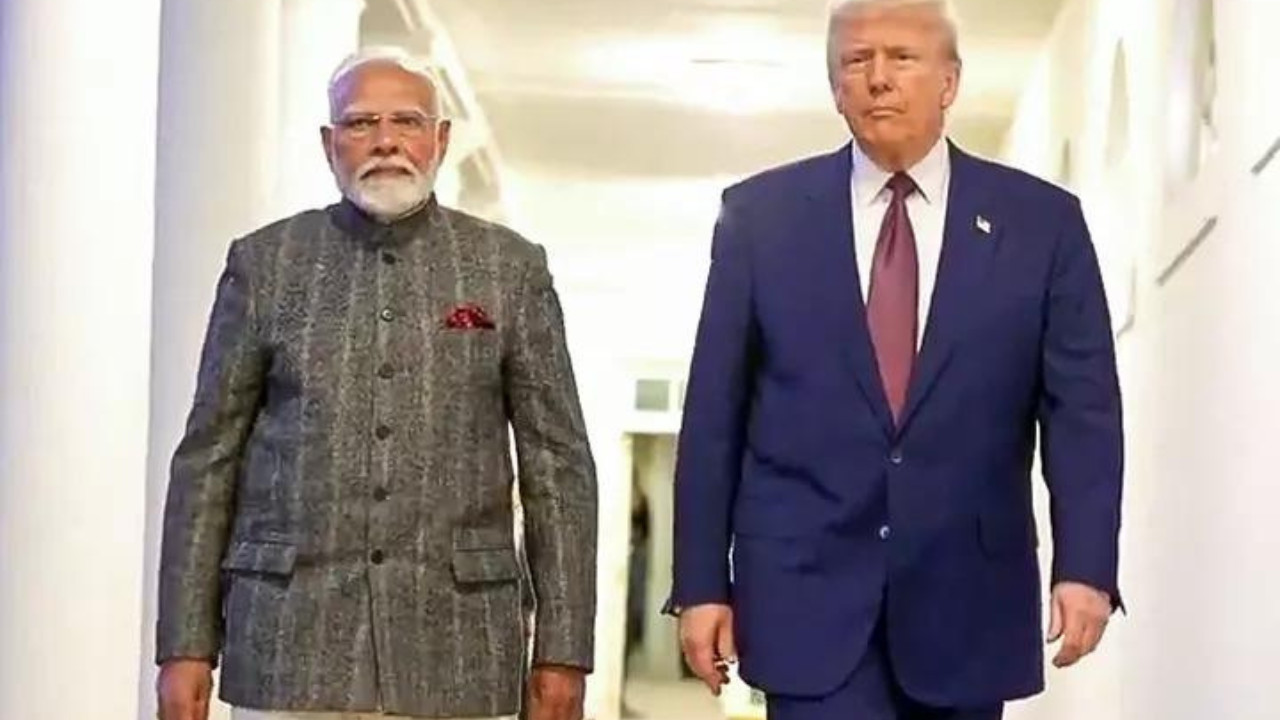
India’s non-leather footwear industry in Tamil Nadu, a hub for global brands, faces a potential crisis due to a looming 50% US tariff. Brands like Nike and Crocs may pause new export orders, fearing eroded competitiveness compared to Vietnam and Indonesia. Apparel exporters are also pressured to shift US production elsewhere.
Will India Step Up Its Shoe Game? Inside the Evolving Footwear Market
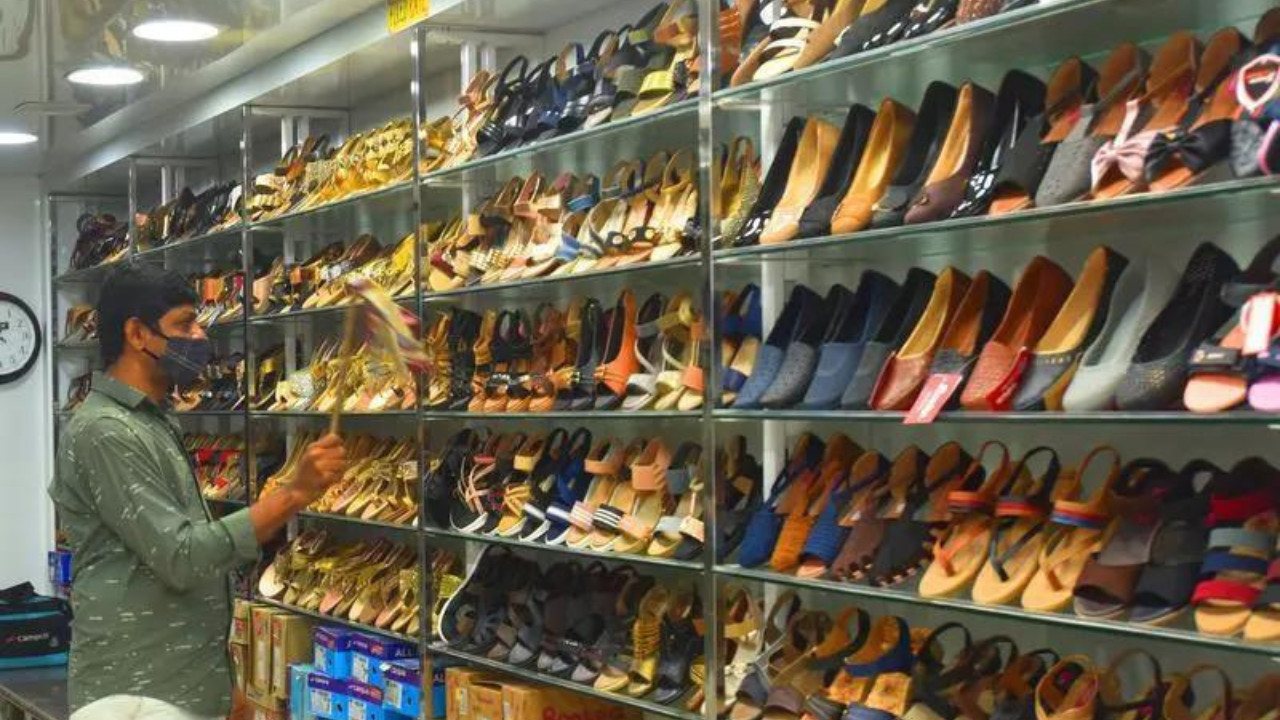
The Indian footwear market is undergoing a fascinating transformation. Forget the image of dusty workshops and mass-produced sandals; a new landscape is emerging, shaped by shifting consumer tastes, global competition, and a growing emphasis on innovation and sustainability. But will India truly become a global shoe powerhouse? The journey is underway, but not without its challenges.
The numbers tell part of the story. India is already a significant player, churning out a staggering number of shoes each year. However, much of this production caters to the domestic market or involves low-value exports. The real opportunity lies in capturing a larger slice of the high-value, premium footwear segment dominated by international brands.
The Rise of Branded Footwear and Changing Consumer Preferences
One key driver of this evolution is the increasing demand for branded footwear. Consumers, especially younger generations, are becoming more discerning, seeking shoes that reflect their style, values, and aspirations. They are willing to pay a premium for quality, comfort, and recognized brands. This shift presents both an opportunity and a challenge for domestic manufacturers.
Indian companies are now scrambling to cater to this demand. Many are investing heavily in design, technology, and marketing to create brands that resonate with the modern consumer. This includes collaborations with international designers, adopting advanced manufacturing techniques, and leveraging digital platforms to reach a wider audience. The focus is no longer just on producing shoes; it’s about building brands and crafting compelling narratives around them.

However, competing with established global brands requires more than just catchy marketing campaigns. It demands a commitment to quality, innovation, and understanding the nuances of different markets. Indian brands must also navigate the complexities of distribution and retail, both online and offline.
Sustainability Steps in the Indian Footwear Industry
Another significant trend shaping the market is the growing emphasis on sustainability. Consumers are increasingly aware of the environmental and social impact of their purchasing decisions, and footwear is no exception. This has led to a surge in demand for shoes made from eco-friendly materials, manufactured using sustainable processes, and ethically sourced.

Indian manufacturers are slowly but surely responding to this demand. Some are experimenting with innovative materials like recycled rubber, plant-based leather alternatives, and organic cotton. Others are implementing more efficient production processes to reduce waste and minimize their carbon footprint. While progress is being made, more needs to be done to scale up sustainable practices and make them accessible to a wider range of consumers.
Navigating the Challenges: Infrastructure and Raw Materials
Of course, the path to becoming a global footwear powerhouse is not without its hurdles. One major challenge is the lack of adequate infrastructure, including reliable power supply, efficient transportation networks, and skilled labor. This can increase production costs and make it difficult for Indian manufacturers to compete with countries that have more developed infrastructure.

Access to high-quality raw materials is another critical issue. Many of the materials used in footwear production, such as leather, rubber, and adhesives, are either imported or of inconsistent quality. This dependence on imports can increase costs and make Indian manufacturers vulnerable to fluctuations in global commodity prices. Investing in domestic sourcing and developing a robust supply chain will be crucial for long-term competitiveness.
Furthermore, the sector faces challenges in terms of skill development and technological advancement. Upgrading existing skills and fostering innovation will require significant investments in training programs, research and development, and technology adoption.
Will India become a Global Footwear Hub?
The Indian footwear market is at a crossroads. The demand is there, the potential is undeniable, and many companies are making significant strides in terms of innovation and sustainability. But overcoming the challenges related to infrastructure, raw materials, and skills development will be crucial for India to truly step up its shoe game and establish itself as a major player in the global footwear market. The journey is just beginning, but the pieces are slowly falling into place. The future hinges on continued investment, innovation, and a unwavering commitment to quality and sustainability.