Stock market today: Nifty50 and BSE Sensex, the Indian equity benchmark indices, opened flat in trade on Tuesday. While Nifty50 was below 24,600, BSE Sensex was near 80,500.
Navigating the August Anxieties: Decoding Today’s Market Moves
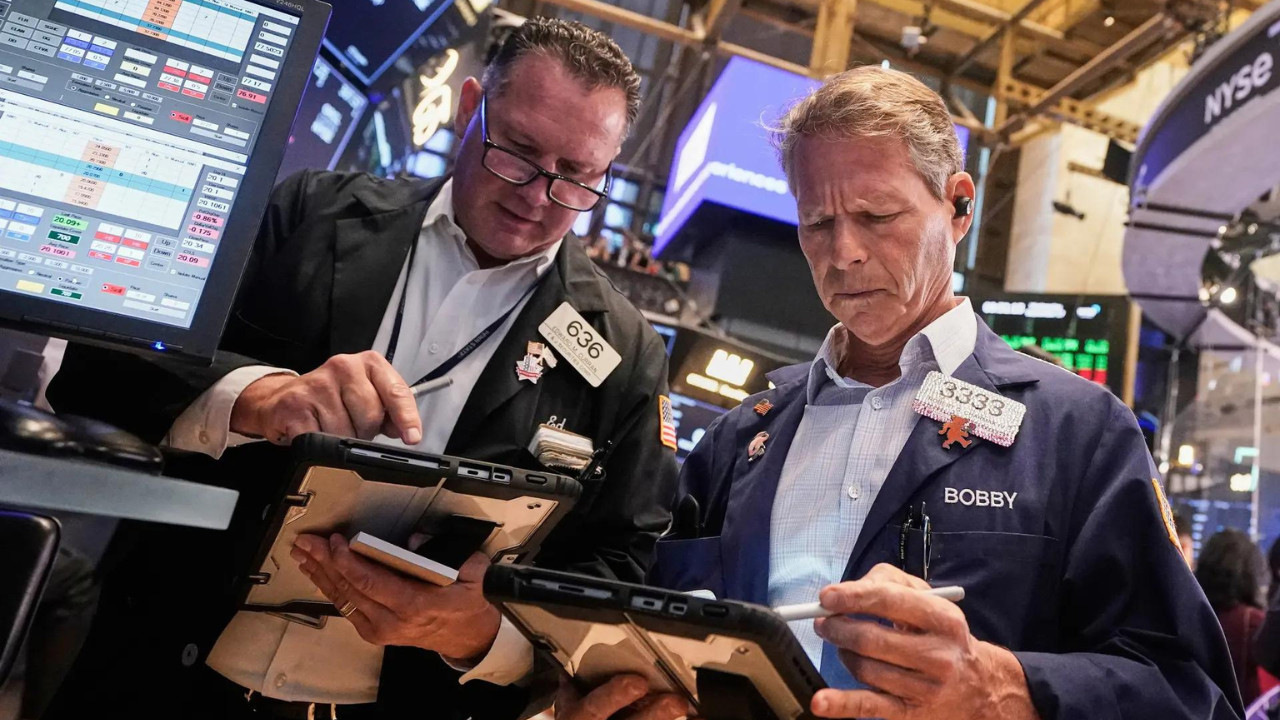
The trading floor air felt thick today, almost vibrating with a nervous energy you could practically taste. As the closing bell rang, it left behind a market landscape painted in cautious hues. We’re not talking a full-blown panic, but certainly a day where investors seemed to be collectively holding their breath, reacting to whispers of revived trade tensions and weighing the implications for the Indian economy.
The Nifty50 and the BSE Sensex, our barometers of Indian market health, both reflected this unease. Neither plummeted into the abyss, but they definitely didn’t soar to new heights. Instead, they traced a path of moderate decline, a subtle dip that speaks volumes about the prevailing sentiment.
Trump’s Tariff Talk: A Ghost from the Past?
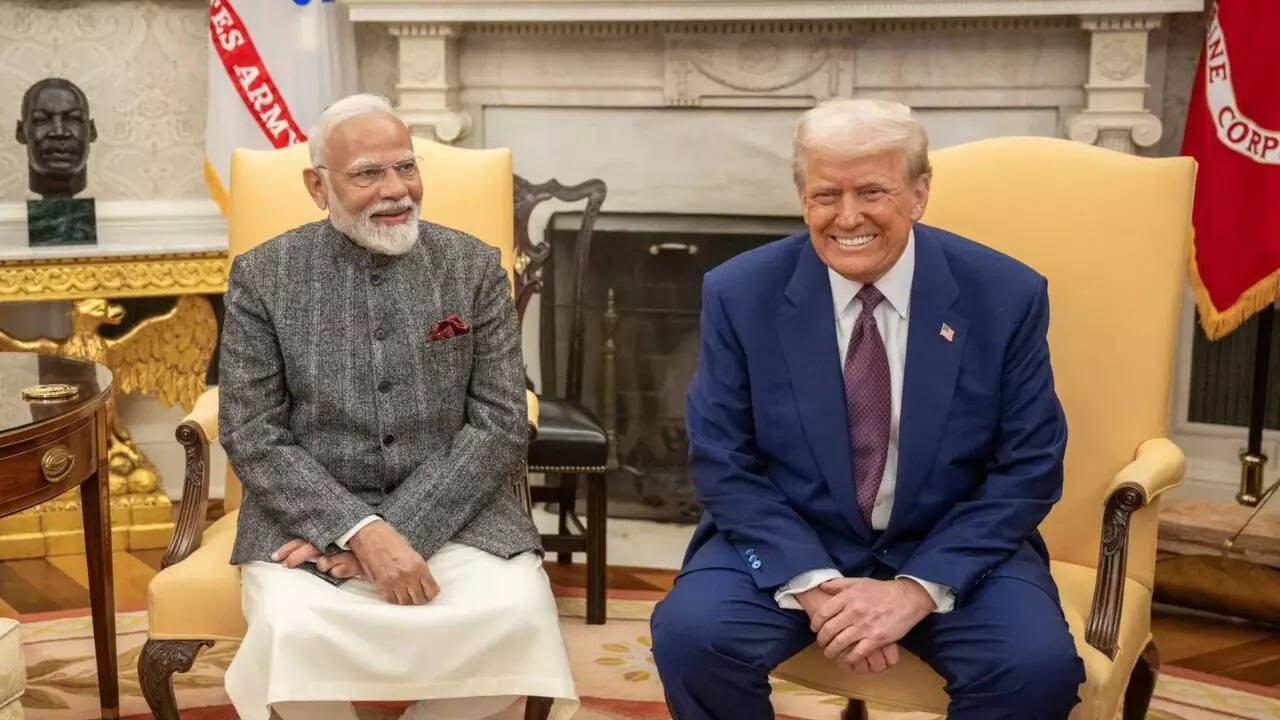
So, what’s got Dalal Street jittery? The specter of tariffs, specifically those rumored to be brewing in the mind of a certain former US President. Yes, Donald Trump’s recent pronouncements hinting at potential new tariffs on imports have sent ripples across global markets. This isn’t just background noise; his earlier trade wars had a demonstrable impact on international trade flows, and investors are rightly concerned about a repeat performance.
The fear is straightforward: tariffs increase the cost of goods, potentially stifling demand and disrupting established supply chains. For India, a nation deeply integrated into the global economy, this translates to concerns about export competitiveness and overall economic growth. Sectors heavily reliant on exports, like IT and pharmaceuticals, felt the pinch acutely today, with their stock prices reflecting the market’s trepidation.

Decoding the Day’s Data: More Than Just Red Numbers
While the headline might scream “market down,” a closer look reveals a more nuanced picture. Certain sectors showed resilience, even posting modest gains. This suggests a degree of strategic buying, with investors perhaps viewing the dip as an opportunity to snag undervalued stocks in fundamentally sound companies.

The banking sector, for instance, displayed a relative calm, buoyed perhaps by continued optimism regarding domestic consumption and credit growth. Similarly, pockets of the consumer discretionary sector, those companies selling non-essential goods and services, showed surprising strength. This could indicate that despite the global anxieties, domestic demand remains relatively robust.
The Indian Rupee: A Canary in the Coal Mine?
The Indian Rupee’s movement against the US dollar is another key indicator to watch during periods of market uncertainty. Today, the Rupee experienced a slight weakening, a direct consequence of the risk-off sentiment permeating the markets. A weaker Rupee makes imports more expensive, potentially fueling inflation and further complicating the economic outlook. The Reserve Bank of India (RBI) is undoubtedly keeping a close watch, ready to intervene if necessary to maintain stability.
Stock Market Outlook: Calibrating Expectations in a Complex World
Predicting the future, especially in the volatile world of stock markets, is a fool’s errand. However, we can analyze the prevailing conditions and formulate reasonable expectations. The market’s immediate trajectory will likely depend on how the tariff situation unfolds. Will Trump’s pronouncements translate into concrete policy? How will other nations respond? The answers to these questions will significantly influence investor sentiment.

Beyond tariffs, several other factors are in play. Domestic economic data, including inflation figures and industrial production numbers, will provide crucial clues about the health of the Indian economy. Furthermore, global macroeconomic trends, such as interest rate decisions by major central banks, will continue to exert influence.
It’s crucial to remember that market corrections are a normal part of the investment cycle. While unsettling in the short term, they often present opportunities for long-term investors to rebalance their portfolios and capitalize on lower prices. Staying informed, maintaining a diversified portfolio, and focusing on fundamentally sound companies are key strategies for navigating these turbulent times. You may also want to consider reading our previous article on [Understanding Market Volatility](internal-link).
In conclusion, today’s market moves were a clear reflection of anxieties surrounding potential trade wars and their impact on the Indian economy. While uncertainty remains, a pragmatic approach focused on fundamental analysis and a long-term investment horizon is the most effective way to weather the storm. The Indian stock market may experience further fluctuations in the coming weeks, and investors should remain vigilant, adjusting their strategies as new information emerges and market dynamics evolve.