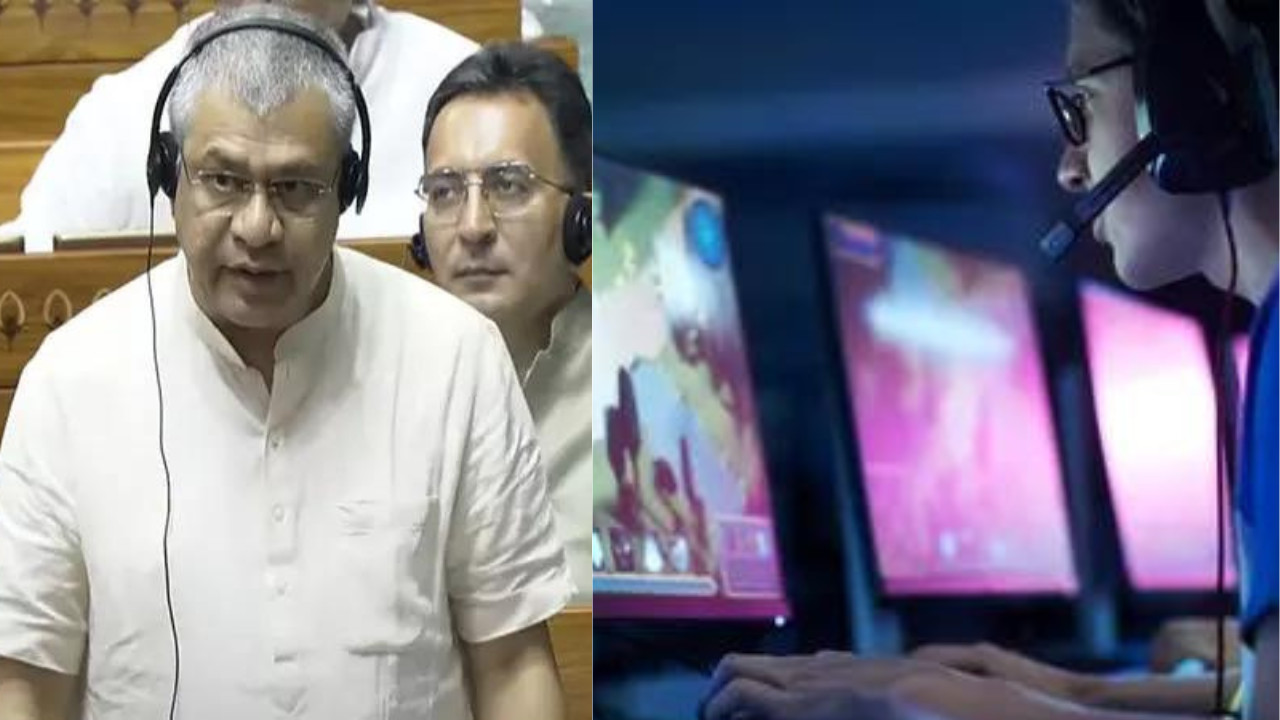
The Promotion and Regulation of Online Gaming Bill, 2025, has been introduced in the Lok Sabha, aiming to regulate online gaming by banning real-money games while promoting e-sports and social games. The legislation seeks to protect youth from predatory apps and prevent addiction and financial risks.
Leveling the Playing Field: India’s Stance on Online Gaming
The digital landscape in India is rapidly evolving, and with it, the need for clear and effective regulations. A significant step in this direction has recently been taken with the tabling of an online gaming bill in the Lok Sabha. This move signals a firm intention by the government to address the complex issues surrounding online gaming, digital betting, and gambling, aiming for a balanced approach that protects consumers while fostering responsible innovation.
For years, the online gaming sector has operated in a somewhat grey area, with varying interpretations of existing laws leading to confusion and inconsistencies. This new bill seeks to provide a much-needed framework, clearly defining what constitutes permissible gaming and what crosses the line into prohibited activities like betting and gambling. The aim is to create a safe and transparent environment for players, preventing exploitation and addiction.
Decoding the Proposed Regulations for Online Gaming
So, what does this bill actually entail? While the full details are still under consideration, the overarching goal is to distinguish between games of skill and games of chance. Games of skill, where a player’s expertise and strategy significantly influence the outcome, are likely to be permitted under certain guidelines. These might include measures to ensure fair play, prevent fraud, and protect vulnerable users, such as minors.
On the other hand, games of chance, which primarily rely on luck or random number generation, are likely to face stricter regulations, potentially including outright bans. This is where the debate heats up. The government’s concern stems from the addictive nature of these games and the potential for financial harm. The intent is not to stifle innovation but rather to shield citizens from the risks associated with unregulated gambling.


Why Now? The Urgency Behind the Gaming Bill
The proliferation of online gaming platforms and the increasing accessibility of smartphones have fueled the rapid growth of this industry. With millions of Indians participating in online games, the potential for both economic benefits and societal risks is immense. Concerns about money laundering, match-fixing, and the exploitation of vulnerable individuals have pushed the government to take decisive action.
Furthermore, the global landscape of online gaming regulation is constantly shifting, and India needs to align its policies with international best practices. This bill represents an attempt to strike a balance between encouraging innovation and safeguarding the interests of its citizens. It’s a recognition that the online gaming sector is not just a source of entertainment but also a significant economic force with the potential to impact society in profound ways.
The Potential Impact on Players and the Industry
The introduction of this bill is sure to send ripples throughout the online gaming industry. For players, it could mean a clearer understanding of their rights and responsibilities, as well as greater protection from unfair practices. Licensed and regulated platforms are likely to gain a competitive edge, as they will be able to demonstrate their commitment to responsible gaming.
However, the bill could also lead to the closure of platforms that fail to comply with the new regulations. This could impact the livelihoods of those employed in the industry, as well as reduce the options available to players. It’s crucial that the government engages in open dialogue with industry stakeholders to ensure a smooth transition and minimize any unintended consequences.

This bill also presents opportunities for the development of innovative and responsible gaming platforms that prioritize player safety and ethical practices. Companies that embrace transparency and user protection are likely to thrive in the new regulatory environment.
Internal Link: You might also be interested in our article on the evolving landscape of India’s tech regulations.
Navigating the Future of Online Entertainment
The road ahead is not without its challenges. Defining the boundaries between games of skill and games of chance can be complex, and ensuring effective enforcement will require significant resources and collaboration between various agencies. The key will be to foster a regulatory environment that promotes innovation, protects consumers, and prevents the exploitation of vulnerable individuals.
This new bill represents a critical step towards achieving that goal. It signifies a commitment to creating a responsible and sustainable online gaming ecosystem in India, one that balances economic opportunity with societal well-being. By addressing the risks associated with unregulated gambling and promoting responsible gaming practices, India can harness the potential of the online gaming industry while safeguarding the interests of its citizens. The goal is clear: to create a safe and engaging digital entertainment space that benefits everyone.