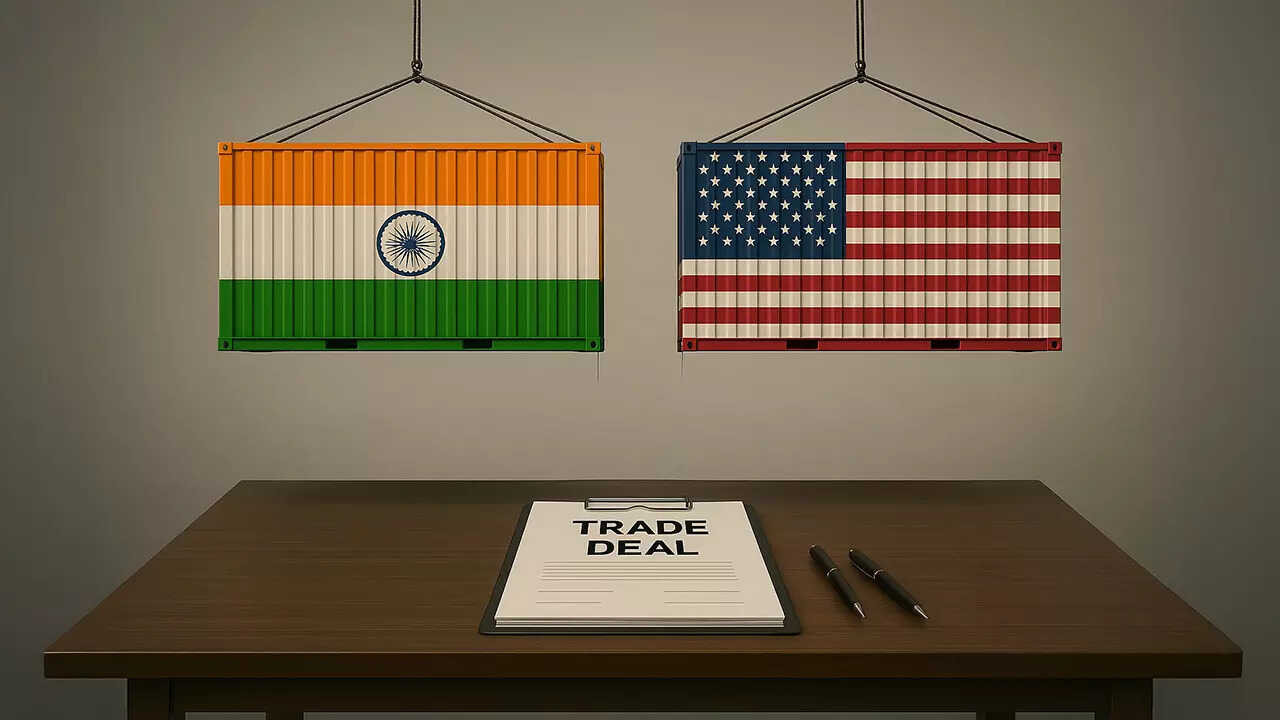
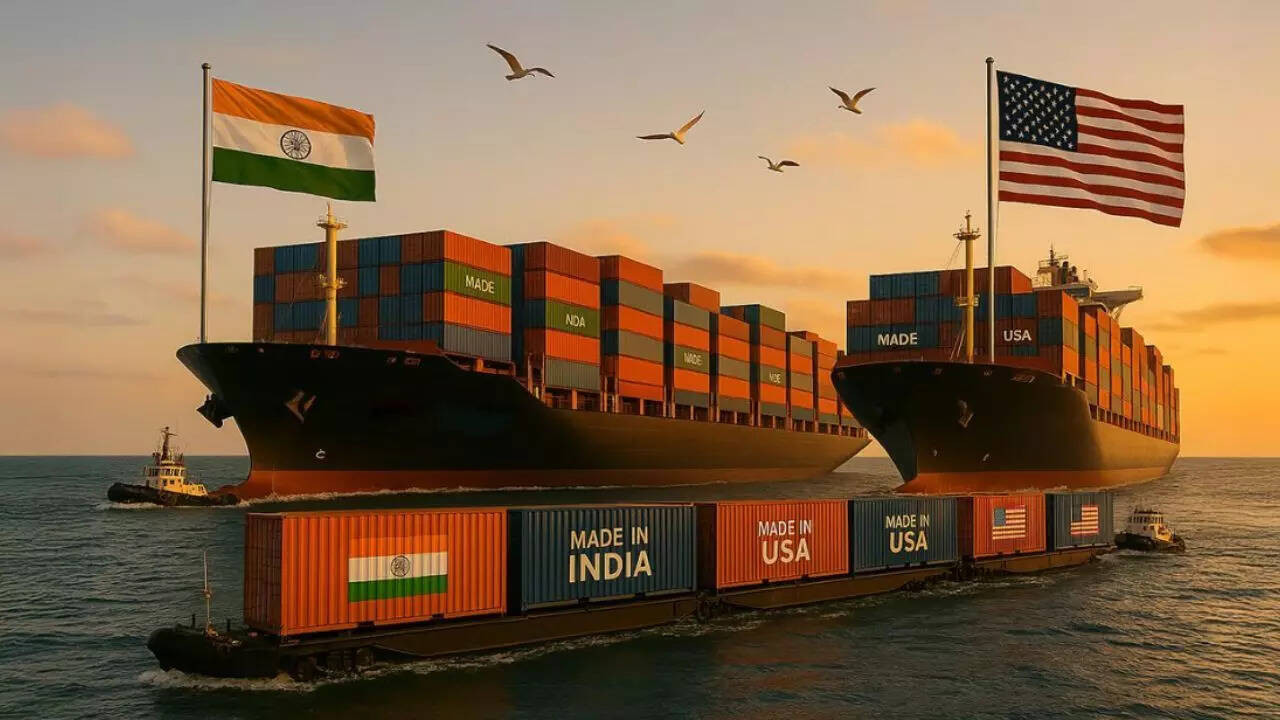
A recent HSBC report indicates that US corporations are increasingly adopting AI to offset the financial strain caused by tariffs. Analysis of S&P 500 companies reveals median cost reductions of 1.5% and productivity gains averaging 24%. AI adoption is viewed as a strategic move to modernize operations and mitigate external economic shocks, similar to changes seen during the COVID-19 pandemic.
AI: India’s Secret Weapon Against Global Headwinds?
The global economic landscape is, let’s face it, a bit turbulent right now. Tariffs, inflation, supply chain snags – businesses are navigating a minefield. But in India, something interesting is happening. Instead of just hunkering down, companies are turning to a powerful ally: Artificial Intelligence. And it appears to be working wonders, specifically softening the blow from those pesky US tariffs.
How AI is Easing the Tariff Burden
We’ve all heard about AI’s potential to revolutionize industries, but seeing it in action, particularly as a shield against global trade pressures, is genuinely compelling. A recent HSBC report suggests that Indian corporations are actively leveraging AI to boost efficiency and slash costs, directly offsetting the impact of US tariffs. It’s not just about cutting corners; it’s about strategic innovation.
Think about it. US tariffs make importing goods more expensive. Traditionally, businesses would absorb some of the cost, pass it on to consumers, or look for cheaper suppliers (often impacting quality). But Indian firms are finding another way: using AI to optimize their operations, streamlining everything from manufacturing processes to supply chain management. This allows them to produce goods more efficiently, effectively negating some of the increased costs brought on by tariffs.
One powerful example is in manufacturing. AI-powered predictive maintenance systems can identify potential equipment failures before they happen, minimizing downtime and maximizing production output. This translates to significant cost savings, mitigating the financial strain of tariffs. Furthermore, AI algorithms can analyze vast amounts of data to optimize supply chains, identifying the most cost-effective routes and suppliers, regardless of trade barriers.

Beyond Tariffs: The Broader Benefits of AI Adoption
While AI’s role in mitigating tariff impact is noteworthy, the benefits extend far beyond just that. The HSBC report emphasizes the long-term operational gains that companies are realizing through AI adoption. This isn’t just a short-term fix; it’s a fundamental shift in how businesses operate, making them more resilient and competitive in the long run.
AI is being used to personalize customer experiences, leading to increased sales and customer loyalty. Imagine an e-commerce platform that uses AI to recommend products based on your browsing history and preferences. That’s not just convenient; it’s a powerful tool for driving revenue. Similarly, AI-powered chatbots are providing instant customer support, freeing up human agents to handle more complex issues and improving overall customer satisfaction.

Operational Efficiency Through AI: A Competitive Edge
The key takeaway is that AI is enabling Indian companies to do more with less. This increased efficiency translates directly into a competitive advantage, both domestically and internationally. By optimizing processes, reducing waste, and improving decision-making, AI is empowering businesses to thrive even in challenging economic conditions.

For example, consider the logistics industry. AI-powered route optimization software can significantly reduce fuel consumption and delivery times, leading to substantial cost savings and a smaller carbon footprint. This not only improves profitability but also aligns with growing consumer demand for sustainable practices. Or consider the healthcare sector, where AI is being used to diagnose diseases earlier and more accurately, leading to better patient outcomes and reduced healthcare costs. This also ties into preventative care, which you can read more about [here](Internal Link to related healthcare article).
The Future is Intelligent: Embracing AI for Sustainable Growth
India’s proactive approach to AI adoption offers valuable lessons for businesses worldwide. It demonstrates that technological innovation can be a powerful tool for navigating global challenges and achieving sustainable growth. It’s not simply about replacing jobs; it’s about augmenting human capabilities and creating new opportunities.
The successful integration of AI isn’t a one-time project but an ongoing journey of learning, adaptation, and innovation. As AI technologies continue to evolve, businesses that embrace them will be best positioned to thrive in an increasingly complex and competitive world. India’s experience demonstrates that AI adoption is not just a trend; it’s a necessity for long-term success. By focusing on efficiency, cost reduction, and enhanced customer experiences, Indian corporations are setting a compelling example for businesses globally.