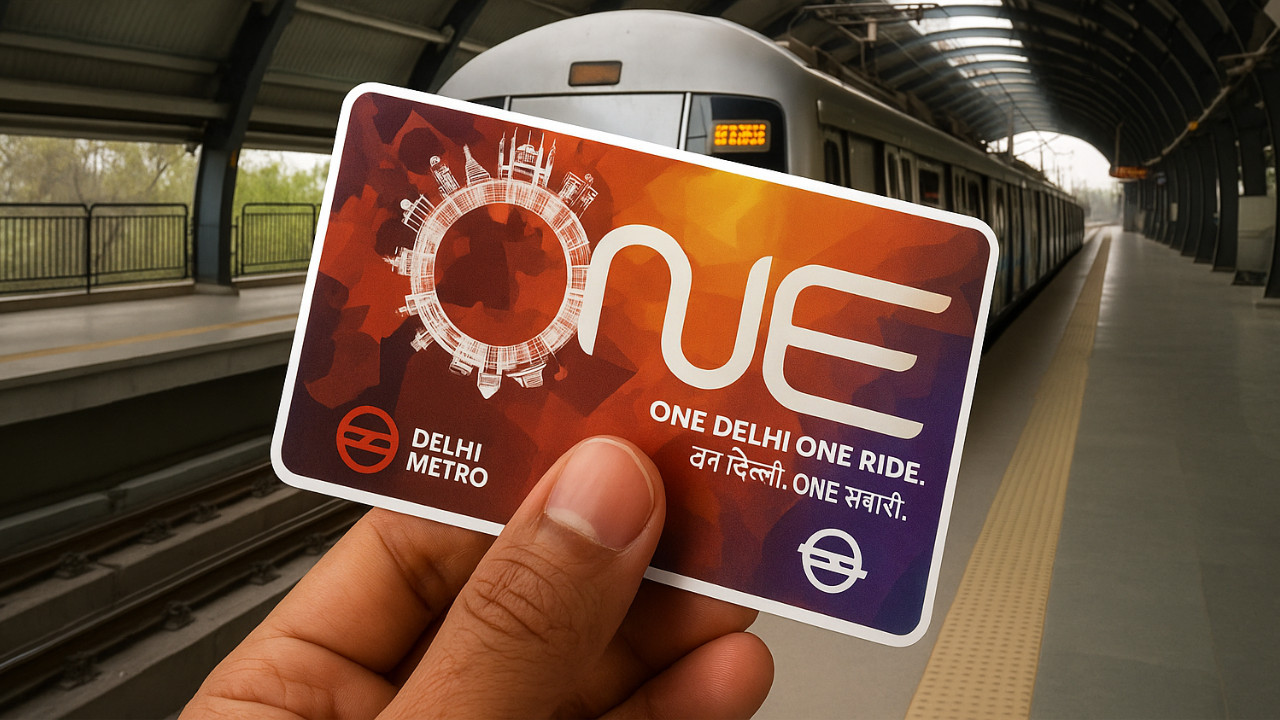
Delhi Metro fares have increased for the first time in years, impacting daily commuters. Effective Monday, fares are up by Rs 1 to Rs 4, with the minimum fare now Rs 11 and the highest Rs 64. Airport Express Line fares also see a rise. The DMRC calls the revision minimal but necessary to balance operational costs.
Navigating the Rails: What Delhi Metro’s Fare Adjustment Means for Your Commute
The familiar rumble and whoosh of the Delhi Metro have become the soundtrack to millions of lives. It’s the lifeline that snakes across the sprawling cityscape, whisking people to work, school, and everything in between. But starting today, the price of that journey has shifted. The Delhi Metro Rail Corporation (DMRC) has implemented a revised fare structure, and here’s what you need to know about how it might impact your daily travel.
A Fare Adjustment: Why Now?
Change is the only constant, as they say, and the Delhi Metro is no exception. While the exact reasons for the fare adjustment haven’t been explicitly stated, operational costs, system maintenance, and planned expansions likely play a significant role. Running a metro system of this magnitude is an expensive undertaking, requiring constant investment in infrastructure, rolling stock, and personnel. These adjustments help ensure the continued efficient functioning and future development of the network. It’s about keeping the trains running, the stations clean, and the expansion plans on track.
Decoding the New Fare Structure
So, how exactly will these changes affect your wallet? The revised fares are structured according to the distance traveled. Previously, the fare slabs were fairly consistent, but now, they are more granular, meaning the fare increase will vary based on the length of your journey. For shorter distances, the impact might be minimal, but for longer commutes that crisscross the city, you can expect to see a more noticeable difference.
Here’s a general overview, though it’s always best to check the DMRC website or app for the most precise figures for your specific route. The base fare for the shortest distances remains relatively low. As you travel further, the fare increments kick in, reaching the higher end of the scale for those traversing the entire network. The DMRC has also tried to balance the increase with the availability of smart cards and other digital payment options, which often offer a small discount compared to purchasing individual tokens.


Smart Strategies for Smart Commuters
Okay, so the fares are up. What can you do about it? Fortunately, the Delhi Metro offers several avenues for mitigating the impact on your travel budget.
* Smart Cards are Your Friend: If you’re a regular rider, investing in a smart card is almost always the most economical choice. These cards not only offer a slight discount on each journey but also save you time by avoiding queues at ticket counters.
* Explore Travel Passes: Depending on your travel frequency, monthly or quarterly passes might be a worthwhile option. Assess your travel patterns and see if a pass offers better value than topping up your smart card regularly.
* Plan Your Routes Wisely: Sometimes, a slightly longer route might involve fewer transfers and thus, potentially lower the overall fare. Use the DMRC app to compare different route options and choose the most cost-effective one.
* Consider Off-Peak Travel: While it’s not always possible, traveling during off-peak hours can sometimes mean a less crowded and potentially more comfortable journey. While it doesn’t directly affect the fare, the smoother experience might make the increased cost feel more palatable.

The Bigger Picture: A Sustainable Metro for the Future
While fare hikes are never welcome news, it’s important to view them within the broader context of maintaining and expanding a vital public transportation system. The Delhi Metro plays a crucial role in alleviating traffic congestion, reducing pollution, and connecting communities across the National Capital Region. These are significant benefits that contribute to the overall quality of life in the city. The revenue generated from fares is essential for ensuring the long-term sustainability of the metro network, enabling it to continue serving millions of commuters daily and expanding to meet the growing needs of the city. It’s about investing in a system that benefits everyone in the long run. Further reading about the Delhi Metro and its impact on the city can be found here: [Link to a related article on the same site].
The Road Ahead: Adapting to the Change
The revised Delhi Metro fare structure is now in effect, and it’s time to adapt. While the increase might pinch the pockets of some commuters, particularly those traveling long distances, the Delhi Metro remains a cost-effective and efficient mode of transportation compared to alternatives like private vehicles. By exploring smart card options, planning your routes strategically, and considering travel passes, you can minimize the impact on your budget. Ultimately, the continued investment in the Delhi Metro ensures that it remains a vital asset for the city, connecting people, and driving economic growth.