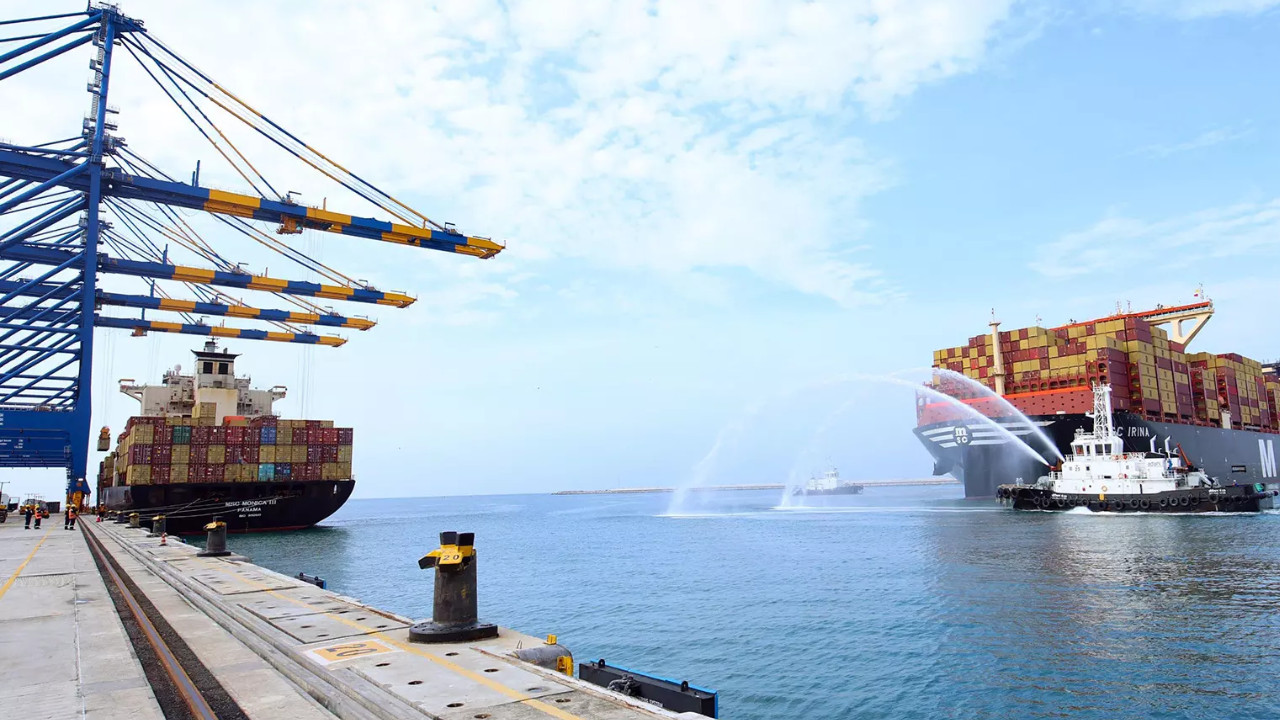
The Asian Development Bank is poised to finance Pakistan’s railway infrastructure upgrade, stepping in after delays in Chinese funding threatened the crucial Reko Diq mining project. The ADB will spearhead a $2 billion upgrade of the Karachi-Rohri section, essential for transporting copper ore. This intervention addresses concerns about evacuating output from the mine, with production slated to begin in 2028.
Can the ADB Get Pakistan’s Railway Dreams Back on Track?
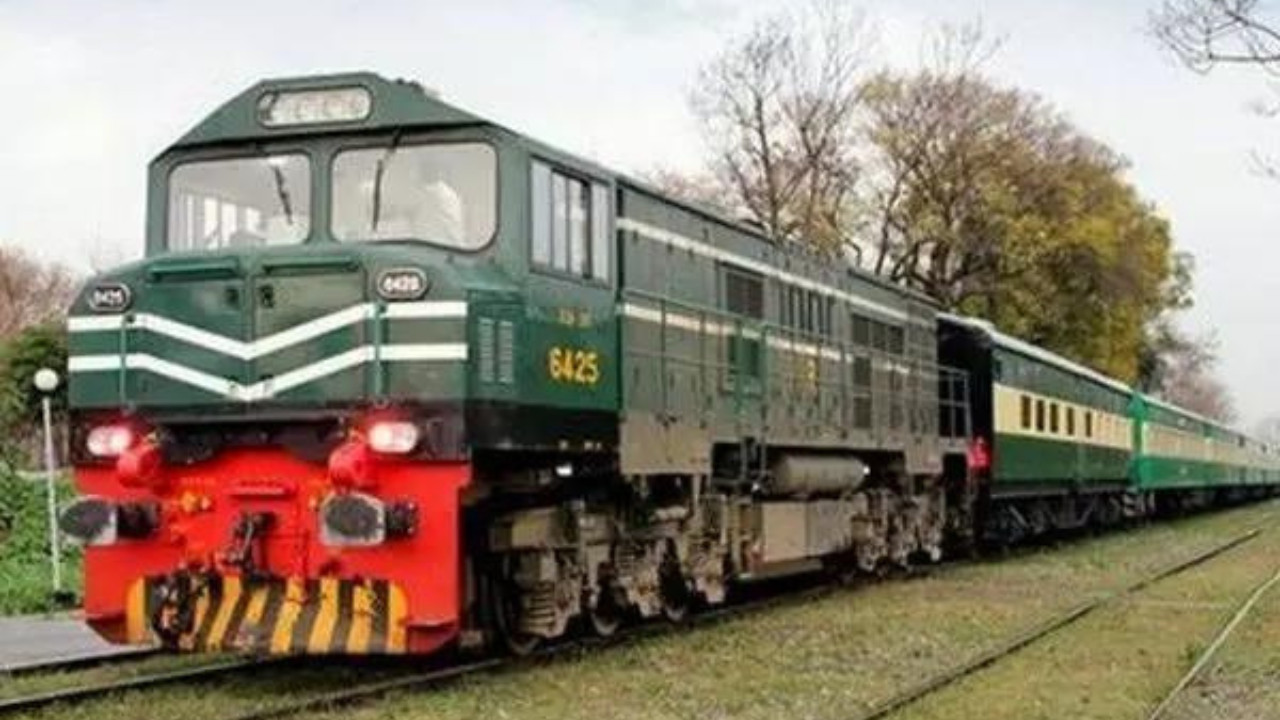
For over a decade, Pakistan’s railway system has been dangling on the promise of a major Chinese investment. A vision of modern tracks, efficient locomotives, and revitalized infrastructure painted a hopeful future for a network struggling with outdated technology and chronic underinvestment. But, like a train delayed indefinitely, that dream has stalled, leaving Pakistan searching for an alternative route to modernization. Now, the Asian Development Bank (ADB) is stepping onto the platform, potentially offering a $2 billion lifeline to rescue Pakistan’s ambitious railway upgrade plans.
A Decade of Disappointment: The ML-1 Project
The centerpiece of Pakistan’s railway aspirations was the Main Line-1 (ML-1) project. This colossal undertaking, initially envisioned as a key part of the China-Pakistan Economic Corridor (CPEC), promised to overhaul a 1,726-kilometer stretch of track from Karachi to Peshawar. It was supposed to double the railway’s capacity, slash travel times, and inject much-needed efficiency into the country’s transportation backbone.
However, the project, plagued by financing hurdles and shifting priorities, never truly gained momentum. Negotiations with China dragged on, costs ballooned, and the initial enthusiasm faded, replaced by a growing sense of frustration. While CPEC has brought significant investment to other sectors in Pakistan, the ML-1 project became a symbol of unrealized potential.
The ADB Steps In: A New Hope for Pakistan Railways
With the Chinese-backed ML-1 project seemingly stuck in neutral, Pakistan is now turning to the ADB for salvation. The proposed $2 billion financing package represents a significant opportunity to breathe life back into the country’s ailing railway network. This injection of capital would likely focus on crucial upgrades, potentially including track rehabilitation, signaling improvements, and the modernization of rolling stock.

This isn’t just about faster trains and shorter journeys. A revitalized railway system could have a profound impact on Pakistan’s economy. It could facilitate trade, reduce transportation costs for businesses, and connect remote regions to major urban centers, spurring economic growth and creating jobs. Moreover, a more efficient railway network could ease pressure on the country’s road infrastructure, reducing congestion and pollution.
Modernizing Pakistan Railways: The Challenges Ahead
While the ADB’s potential involvement is undoubtedly positive news, it’s important to acknowledge the challenges that lie ahead. Successfully upgrading Pakistan’s railway system will require more than just financial investment. It demands careful planning, efficient project management, and a commitment to transparency and accountability.
The existing infrastructure is in dire need of repair, and any modernization plan will have to address issues like aging tracks, outdated signaling systems, and a shortage of skilled personnel. Furthermore, integrating new technologies and ensuring the long-term sustainability of the upgraded network will be critical for its success. Pakistan will need to foster strong partnerships with international experts and prioritize capacity building to ensure that the railway upgrade project delivers lasting benefits.
A Strategic Shift? Implications for CPEC and Regional Connectivity
The shift in focus towards the ADB raises questions about the future of the ML-1 project and the broader dynamics of CPEC. While Pakistan maintains its commitment to CPEC, the decision to seek alternative financing suggests a more diversified approach to infrastructure development. This could signal a strategic recalibration, with Pakistan seeking to balance its relationships with different international partners.
It’s also worth considering the implications for regional connectivity. A modernized Pakistani railway network could play a vital role in facilitating trade and transportation between Central Asia, South Asia, and beyond. By improving its internal connectivity, Pakistan could strengthen its position as a key transit hub in the region.


The ADB’s involvement presents a crucial opportunity for Pakistan to realize its railway ambitions. With careful planning, strategic investment, and a commitment to reform, the dream of a modern, efficient, and sustainable railway network could finally become a reality. What remains is to ensure that this opportunity delivers on its promise and helps unlock Pakistan’s economic potential.