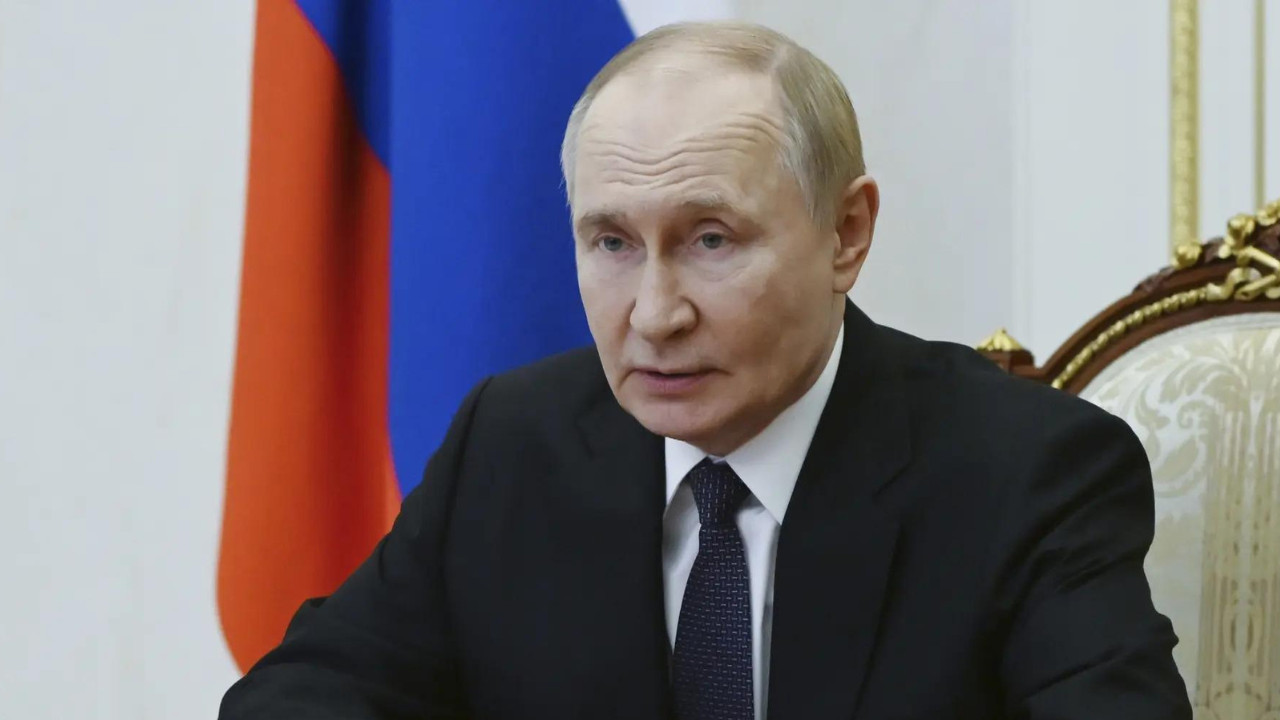
Ahead of his China visit, Vladimir Putin criticized Western sanctions, citing their role in Russia’s economic recession due to trade restrictions and Ukraine war costs. He lauded growing Russia-China ties, highlighting increased trade and cooperation across various sectors. Both nations reject discriminatory trade measures, focusing on strengthening economic partnerships and transactions in rubles and yuan.
Russia’s Pivot East: Navigating Sanctions and Strengthening Ties with China
Western sanctions have undoubtedly thrown a wrench into Russia’s economic gears. But is it a knockout punch, or just a stumble? President Putin’s recent rhetoric suggests the latter, painting a picture of resilience and a strategic pivot eastward, specifically toward a deepening alliance with China. The sanctions, described by Putin as discriminatory, seem to be accelerating a trend already in motion: a reorientation of Russia’s economic and political focus.
The West’s attempt to isolate Russia economically has, arguably, had the opposite effect in some ways. It has pushed Russia to seek alternative partners and markets, solidifying its relationship with China in particular. While the full extent of this burgeoning partnership remains to be seen, hints suggest closer collaboration across various sectors, from energy to technology. This isn’t just about finding new buyers for Russian resources; it’s about forging a long-term strategic alliance with a global superpower.


The Impact of Western Sanctions on Russia
Putin argues that the sanctions are not only unfair but also ultimately self-defeating for the West. He posits that they disrupt global trade and energy markets, hurting the very countries that imposed them. Whether this is purely strategic messaging or a reflection of genuine belief is open to debate. However, the fact remains that the global economic landscape is becoming increasingly multipolar.
It’s difficult to overstate the economic challenges posed by the sanctions. Access to Western technology and finance has been curtailed, impacting various industries within Russia. However, the government has been actively seeking to mitigate these effects through import substitution programs, financial support for affected businesses, and, crucially, closer economic integration with countries like China. These efforts are all part of Russia’s pivot east.
The energy sector, a cornerstone of the Russian economy, has been particularly affected. European countries, historically major consumers of Russian gas, have been actively seeking alternative sources. This has forced Russia to redirect its energy exports, again, primarily toward China and other Asian markets. While this transition presents logistical and infrastructural challenges, it also offers long-term opportunities for diversification.
Looking Ahead: A New World Order?
The intensified relationship between Russia and China has far-reaching implications for the global balance of power. It suggests a move away from a unipolar world dominated by the United States and its allies, towards a more multipolar system with multiple centers of influence. This shift could reshape international trade, diplomacy, and security for decades to come. For example, consider the impact on global supply chains if Russia’s pivot east continues successfully. Are Western businesses prepared to compete in a world where China and Russia are increasingly aligned?

This developing partnership also raises questions about the future of international institutions and norms. Will Russia and China seek to challenge the existing global order, or will they work within it to advance their interests? The answer is likely a combination of both. We can expect to see increased cooperation between the two countries within existing frameworks like the Shanghai Cooperation Organisation (SCO), as well as efforts to create alternative institutions that reflect their vision of a more equitable world order. Read more about the SCO and its potential impact on global trade here.
The coming years will be crucial in determining the long-term trajectory of Russia’s relationship with China and its role in the evolving global landscape. As western sanctions bite, the pressure on Russia to deepen its ties with China will only intensify. While the West hopes to deter Russian aggression through economic pressure, it may unintentionally be forging a powerful alliance that could reshape the world order in unpredictable ways.
A New Era of Global Partnerships?
Ultimately, the situation presents both challenges and opportunities. The West must carefully consider the unintended consequences of its sanctions policy and find ways to engage with Russia constructively, even amidst disagreement. Simultaneously, businesses and governments alike need to adapt to a world where the global economic and political landscape is becoming increasingly complex and multipolar. The deepening ties between Russia and China are a significant signal of this changing world, requiring a fresh perspective on international relations and a proactive approach to navigating the future.