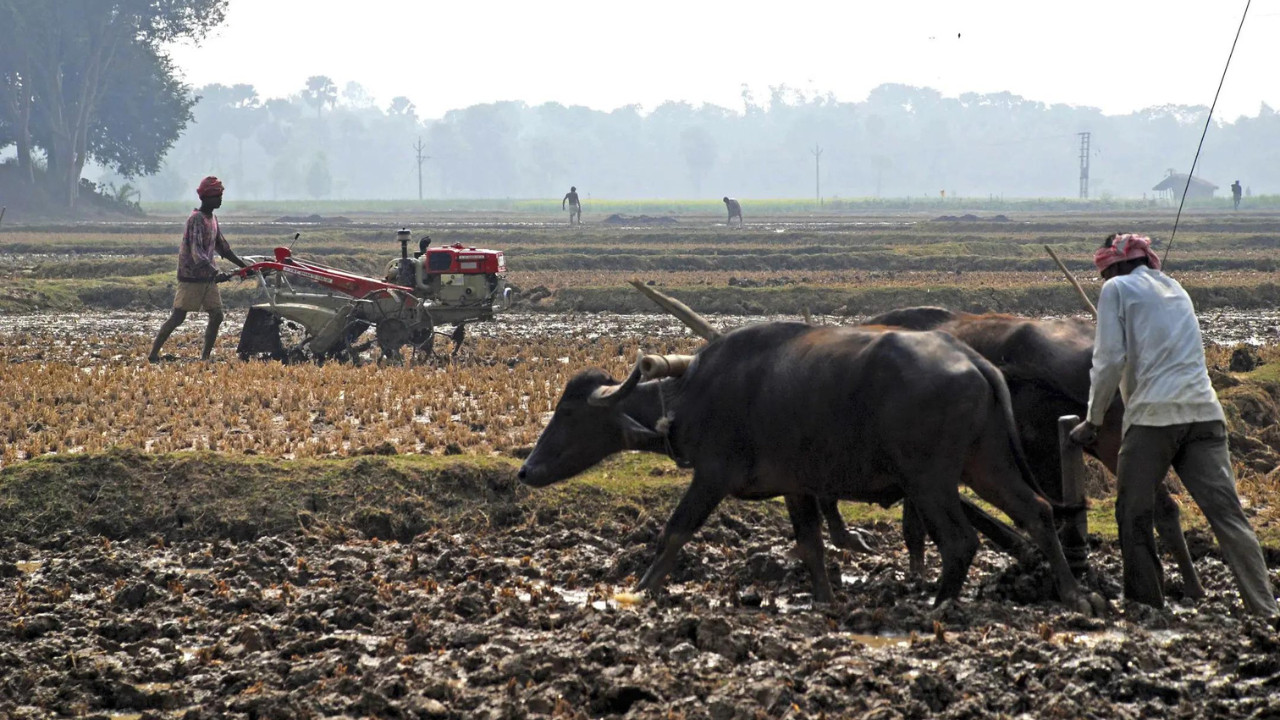
India’s specialty fertiliser sector braces for potential disruptions as China plans to reinforce export curbs starting in October. Rajiv Chakraborty, President of SFIA, warns of impending inspections and shipment delays, impacting global markets, not just India. While firms seek supplies during a temporary export window, anticipated price hikes will likely affect farmers directly.
Will Your Garden Feel the Pinch? China’s Fertilizer Export Curbs Loom
The vibrant hues of blooming flowers, the satisfaction of a bountiful vegetable patch – these simple joys rely on more than just sunshine and water. They depend, in part, on a complex global dance of trade, and right now, the music’s about to change. A significant development is brewing in the fertilizer market, one that could send ripples through Indian agriculture and, ultimately, impact the cost of the food on your table. China, a major player in the global fertilizer arena, is reportedly preparing to reimpose export restrictions on key specialty fertilizers starting this October. What does this mean for India, a nation heavily reliant on these imports? Let’s dig in.
A Closer Look at Specialty Fertilizers
First, let’s clarify what we mean by “specialty fertilizers.” These aren’t your run-of-the-mill, general-purpose plant foods. Specialty fertilizers are designed to address specific nutritional needs of crops, often containing micronutrients and tailored formulations that boost yields and improve the overall quality of produce. Think of them as targeted supplements for plants, ensuring they get precisely what they need to thrive. They are particularly crucial for high-value crops like fruits, vegetables, and certain cash crops where quality and yield directly impact profitability.


The China Factor: Why This Matters to India
China’s dominance in the global fertilizer market is undeniable. The country is a leading producer and exporter of a wide range of fertilizers, including those vital specialty blends. Its export policies wield considerable influence on global prices and supply chains. When China tightens its export belt, as it did last year, the impact is felt worldwide, and India is particularly vulnerable.
India imports a substantial portion of its specialty fertilizer requirements, relying on China for a significant chunk of its supply. These import restrictions aren’t new; similar measures were implemented last year, causing price spikes and supply chain disruptions. The upcoming reimposition of these curbs raises concerns about history repeating itself. The fear is that reduced availability coupled with increased demand will inevitably lead to higher prices for farmers, squeezing their profit margins and potentially affecting crop yields.
Potential Impact on Indian Agriculture and Consumers
The potential ramifications of these export curbs are far-reaching. Farmers, already grappling with rising input costs like fuel and labor, could face an additional burden of expensive fertilizers. This could lead to reduced fertilizer application, potentially impacting crop yields and quality.
Furthermore, higher fertilizer costs can trickle down to consumers in the form of increased food prices. The inflationary pressures on food prices are already a concern for many households, and any further price hikes could exacerbate the situation. The government will need to find a balance between supporting farmers and protecting consumers from price volatility.

Navigating the Fertilizer Crunch: Potential Solutions
While the situation presents challenges, there are potential avenues for mitigating the impact. Diversifying import sources is a crucial strategy. Exploring alternative suppliers in countries like Russia, Canada, and Morocco could reduce India’s dependence on China. Strengthening domestic fertilizer production capacity is another long-term solution. Investing in research and development to produce specialty fertilizers within India would enhance self-reliance and insulate the country from external shocks. You can also learn more about the [government subsidies available for fertilizers](internal-link-to-related-article). Finally, promoting the adoption of efficient fertilizer application techniques and exploring alternative nutrient sources like bio-fertilizers can contribute to sustainable agriculture and reduce overall fertilizer demand.
The upcoming months will be critical in assessing the full impact of China’s export restrictions. The Indian government, industry stakeholders, and farmers must work together to navigate these challenges and ensure the continued growth and stability of the agricultural sector. The health of our gardens and the affordability of our food may depend on it.