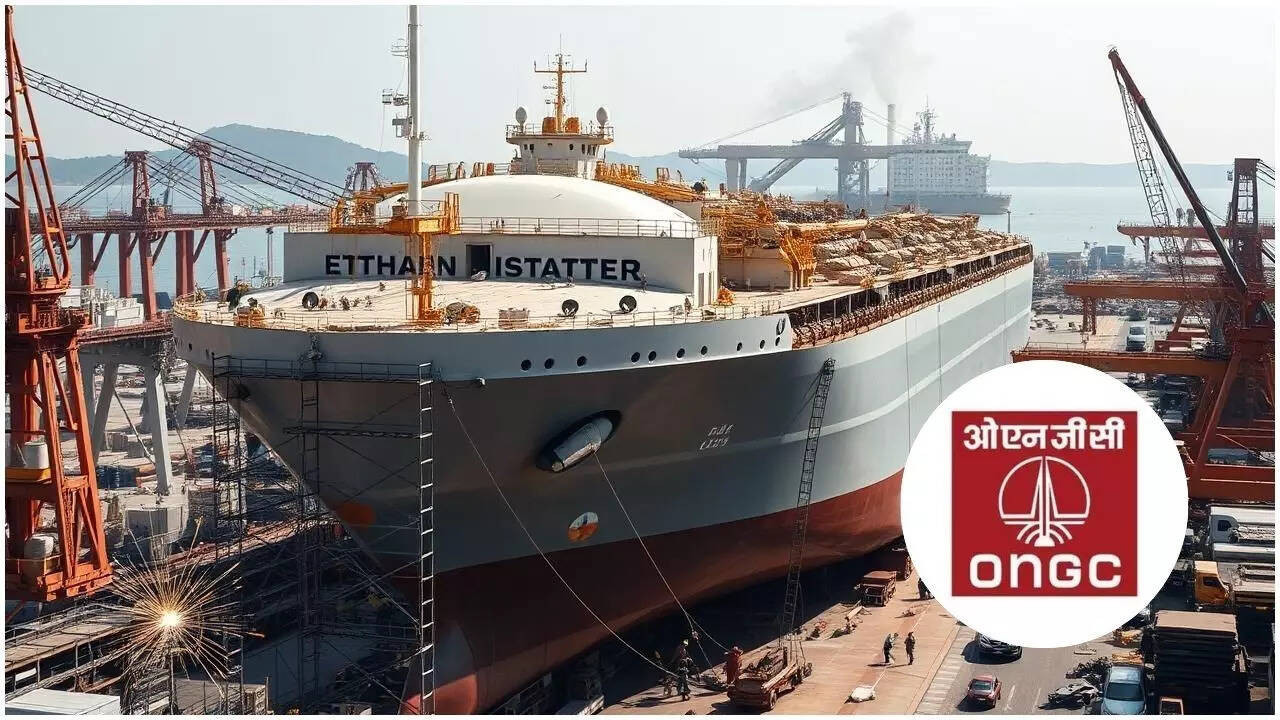
ONGC has partnered with Mitsui OSK Lines to operate two VLECs for importing ethane to OPaL’s Dahej facility. The vessels, costing $370 million, are expected to be ready by mid-2028. This move addresses a supply gap arising from revised LNG contract terms with Qatar, ensuring a steady feedstock supply for OPaL.
India’s Petrochemical Future Gets a Boost: ONGC & Mitsui Join Forces
The energy landscape in India is about to get a significant shake-up, and it’s happening down in Dahej, Gujarat. ONGC, the nation’s oil and gas behemoth, is joining hands with Japanese conglomerate Mitsui & Co. to construct a cutting-edge Very Large Ethane Carriers (VLECs) terminal. This isn’t just another infrastructure project; it’s a strategic move that could reshape India’s petrochemical industry and bolster its self-sufficiency. But what does it all really mean?
For starters, this project is all about securing a steady supply of ethane, a crucial feedstock for petrochemical production. Ethane, derived from natural gas, serves as the building block for a vast array of products we use daily – plastics, packaging, textiles, and even components in the automotive industry. Right now, India relies heavily on imports to meet its ethane demand, making the nation vulnerable to price fluctuations and supply chain disruptions.


The Dahej terminal, slated to begin operations by mid-2028, promises to change that. By establishing a dedicated import facility for VLECs, ONGC and Mitsui are essentially creating a direct pipeline to ethane sources around the globe. This move will not only stabilize supply but also potentially bring down costs, making India’s petrochemical industry more competitive on the world stage. Think of it as building a superhighway for a vital raw material, ensuring a smooth and reliable flow for years to come.
Why Dahej? A Strategic Petrochemical Hub
The selection of Dahej as the site for this ambitious project is no accident. Dahej already boasts a well-established petrochemical complex and a robust port infrastructure. This existing ecosystem provides a natural synergy for the new VLEC terminal, allowing for seamless integration with existing processing facilities and minimizing transportation costs. It’s like adding a powerful new engine to a well-oiled machine, maximizing efficiency and output. Moreover, Dahej is strategically located on the western coast of India, providing easy access to major industrial centers across the country.
The Broader Implications of Enhanced Petrochemical Production
The benefits of this collaboration extend far beyond just securing ethane supply. A stronger, more self-reliant petrochemical industry translates to economic growth, job creation, and reduced dependence on imports. It empowers Indian manufacturers to produce goods more efficiently and competitively, boosting exports and strengthening the nation’s overall economic standing. This project has the potential to ripple through various sectors, creating a positive feedback loop that drives innovation and progress. In a related vein, you might be interested to learn about [ONGC’s investments in renewable energy](internal-link-to-related-article).
Mitsui’s Role: Bringing Expertise to the Table
Mitsui & Co., with its extensive experience in global energy markets and logistics, brings invaluable expertise to the partnership. The Japanese conglomerate’s deep understanding of the ethane supply chain, coupled with ONGC’s local knowledge and infrastructure, creates a powerful combination. This collaboration isn’t just about building a terminal; it’s about forging a long-term partnership that leverages the strengths of both companies to achieve a shared vision.

Preparing for the Future: A Forward-Thinking Approach
The ONGC-Mitsui collaboration is a clear indication of India’s commitment to strengthening its petrochemical industry and securing its energy future. By investing in critical infrastructure and forging strategic partnerships, India is positioning itself as a major player in the global petrochemical market. The project underscores the importance of forward-thinking policies and investments that pave the way for sustainable economic growth and energy security. This focus on petrochemical production will likely solidify India’s standing in the global market in the coming years.
In conclusion, the ONGC-Mitsui VLEC terminal project represents a significant step forward for India’s petrochemical industry. By securing a reliable and cost-effective supply of ethane, this initiative promises to boost domestic production, create jobs, and enhance India’s competitiveness on the world stage. It’s a testament to the power of strategic partnerships and forward-thinking investments in building a stronger and more resilient economy. The project in Dahej provides a clear roadmap for other countries looking to secure their own energy and materials future.