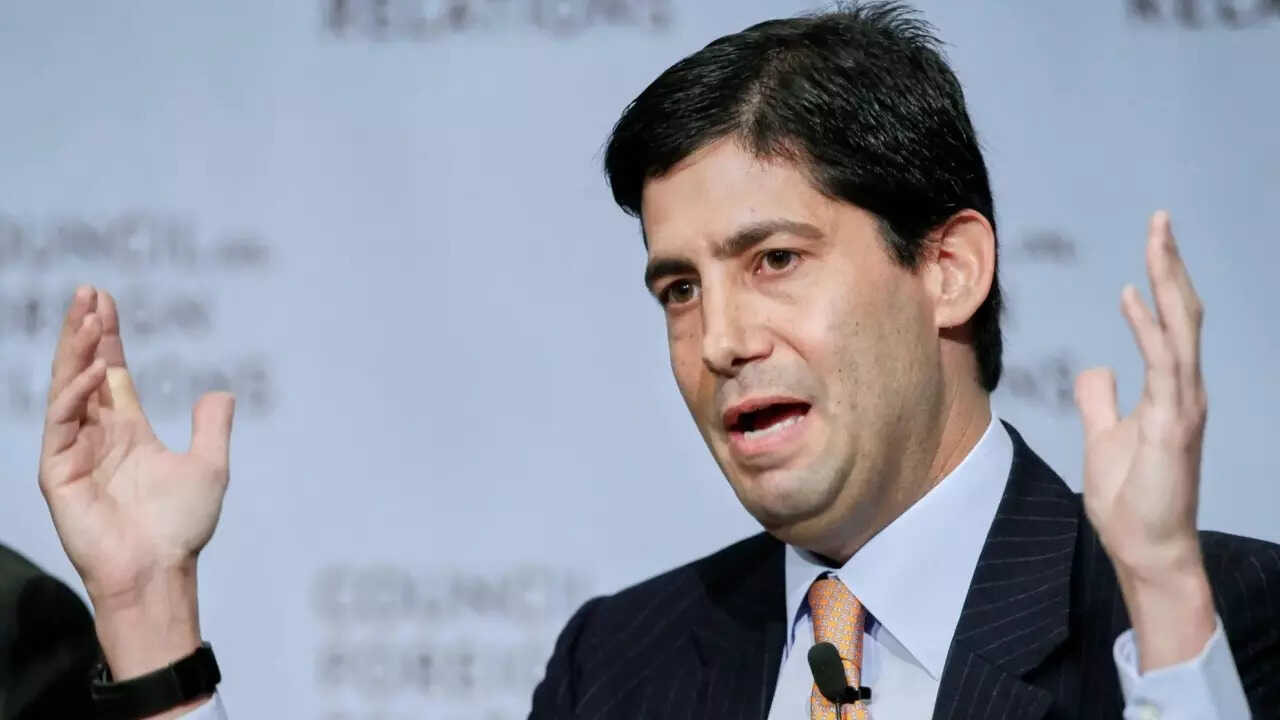
The US Federal Reserve, led by Jerome Powell, has announced a 25 basis points rate cut, setting the federal funds rate to a range of 4 to 4-1/4 percent. This decision comes amidst concerns about moderating economic growth, slowing job gains, and persistent inflation slightly above the 2% target.
The Fed’s Quarter-Point Cut: A Lifeline or a Band-Aid?
So, the US Federal Reserve, helmed by Jerome Powell, just nudged interest rates down by a quarter of a percentage point. It’s a move that’s got Wall Street buzzing and Main Street scratching its head. What does it all really mean?
This isn’t happening in a vacuum. The global economic stage feels a little… shaky. We’re seeing whispers of slower growth, both domestically and internationally. Job numbers, while still positive, aren’t exactly screaming “boom time.” And let’s not forget the elephant in the room: ongoing trade tensions, particularly those stoked by tariffs.
The Fed’s decision to lower rates is essentially an attempt to pump a little extra oxygen into the economy. Lower rates generally make it cheaper for businesses to borrow money, encouraging investment and expansion. For consumers, it can mean lower rates on mortgages, car loans, and credit cards, freeing up cash for spending. The thinking goes: more investment and spending equals more economic activity.
But is a quarter-point cut enough to truly make a difference? That’s the million-dollar question (or, more accurately, the trillion-dollar question, considering the size of the US economy).

Decoding the Fed’s Language
The official statement accompanying the rate cut was carefully worded, as these things always are. The Fed acknowledged the “moderation” in economic activity and job gains. This is a signal that they see potential headwinds. They also specifically mentioned the impact of trade disputes on the economic outlook. However, they also emphasized that the economy remains fundamentally sound. This balanced narrative is meant to reassure markets while also acknowledging the existing risks.
It’s a delicate balancing act. The Fed wants to avoid signaling panic, which could trigger a market sell-off. At the same time, they need to demonstrate that they are proactive and ready to act if the economic situation deteriorates. The careful crafting of the message reflects this tightrope walk.
Why Now? Understanding the Economic Landscape
The Fed operates with a dual mandate: to promote maximum employment and stable prices. Inflation has remained stubbornly below the Fed’s 2% target for some time. This gives them some leeway to lower rates without fear of runaway inflation. Furthermore, global economic uncertainty has increased the demand for safe-haven assets like US Treasury bonds, pushing down long-term interest rates. This makes it even more attractive for the Fed to lower short-term rates to maintain a healthy yield curve.
However, some argue that the rate cut is primarily a response to pressure from the White House, which has been openly critical of the Fed’s previous policies. While the Fed maintains its independence, it’s hard to ignore the political context in which these decisions are made. Regardless of the motivations, the reality is that the US Fed cuts are happening in an environment of heightened economic anxieties.


The Potential Ripple Effects
The impact of this rate cut will be felt far beyond the borders of the United States. A weaker dollar, resulting from lower interest rates, could boost exports. Emerging market economies, often sensitive to changes in US interest rates, could see capital inflows. However, it could also incentivize risk-taking, creating bubbles in certain asset classes.
Domestically, we might see a boost in the housing market, as lower mortgage rates make homeownership more affordable. Businesses could be more willing to invest in new equipment and expand operations. Consumers might feel a bit more confident about spending. But these are all “mights” and “coulds.” The actual impact will depend on a complex interplay of factors, including consumer confidence, business sentiment, and the evolution of global trade dynamics. You might want to also read about [how inflation targets affect your financial planning](internal-link).
Looking Ahead: What’s Next for Interest Rates?
The Fed has signaled that it will remain data-dependent, meaning that future policy decisions will hinge on how the economy performs in the coming months. If economic growth continues to slow, and trade tensions persist, we could see further rate cuts. On the other hand, if the economy picks up steam, the Fed might pause or even reverse course.
One thing is certain: the future of interest rates is uncertain. The economic landscape is constantly evolving, and the Fed will need to remain nimble and responsive to navigate the challenges ahead. Whether this quarter-point cut proves to be a useful stimulus or a mere symbolic gesture, only time will tell. What’s clear now is that the current economic climate is one that necessitates careful monetary policy and diligent observation for investors and the general public alike.