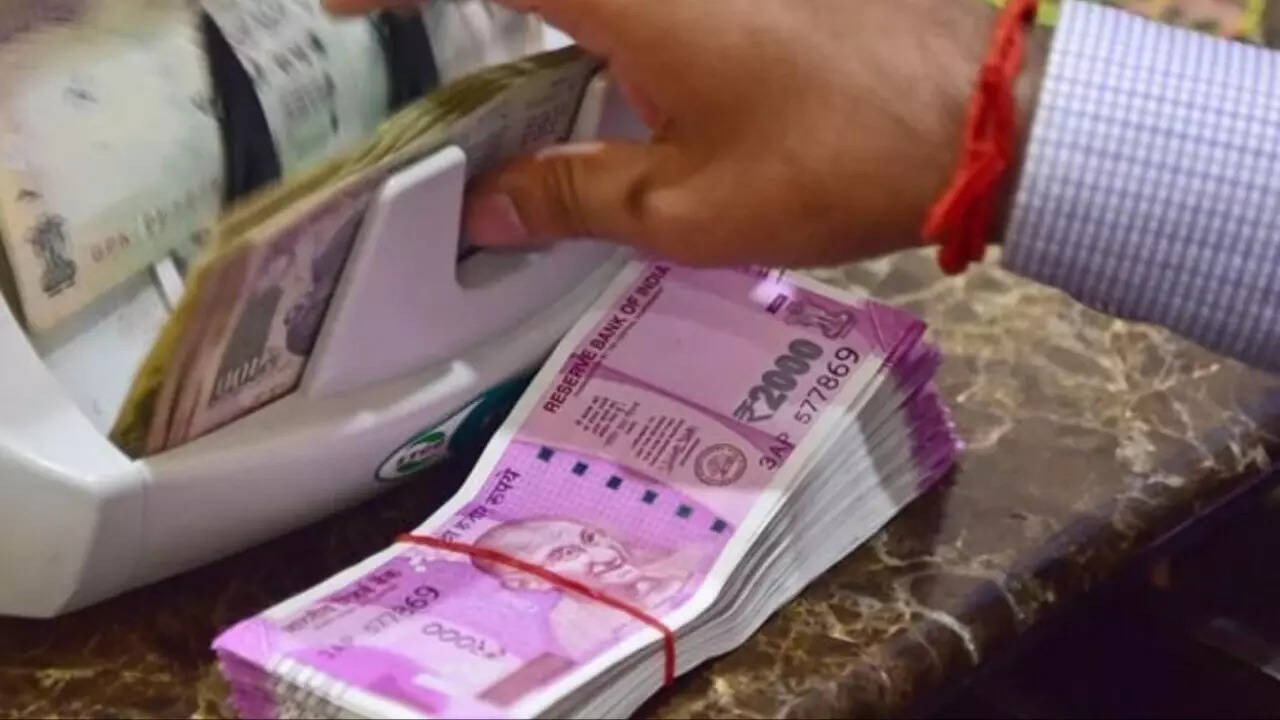
India’s net direct tax collections surged by 9.18% to exceed Rs 10.82 lakh crore, propelled by increased corporate advance tax payments. However, refunds witnessed a 24% decline to Rs 1.61 lakh crore. The government aims for Rs 25.20 lakh crore in direct tax collection for FY26, marking a 12.7% increase.
India’s Tax Revenue: A Healthy Sign for the Economy?
The latest figures are in, and they paint an interesting picture of India’s economic health. Net direct tax collections have jumped, climbing 9% to reach a robust ₹10.82 lakh crore. That’s a significant increase, and it begs the question: what’s driving this surge, and what does it mean for the average Indian?
Let’s dive into the numbers a bit. This increase represents the cumulative direct tax collected, minus refunds, from April 1st to June 17th. Breaking it down further, corporate advance tax, a crucial indicator of business sentiment, has seen impressive growth. This suggests that companies are anticipating higher profits, reflecting an optimistic outlook on the economic front.
But there’s another side to the story. While collections are up, the amount refunded has decreased. This could indicate a more efficient tax collection process, with fewer discrepancies and a quicker turnaround for assessments. Or, it could point to a more cautious approach by the tax authorities, delaying refunds until they are absolutely certain. Whatever the reason, it’s impacting the overall net revenue figure.
Decoding the Corporate Tax Advance Growth
The growth in corporate advance tax is particularly noteworthy. It signifies that companies are not just surviving, but thriving. They’re confident enough in their future earnings to pay a substantial chunk of their taxes in advance. This confidence stems from various factors: increased consumer demand, government initiatives boosting specific sectors, and a general improvement in the business environment. It’s a positive feedback loop – healthy corporate performance leads to higher tax revenue, which the government can then reinvest in infrastructure and social programs, further fueling economic growth. This advance tax is a key indicator of corporate health.


The Income Tax Department themselves reported that the provisional figures for corporate tax up to June 15 show a 12.73% increase. This really highlights the strength of the Indian corporate sector right now.
What About Personal Income Tax?
It’s not just corporations contributing to the tax kitty. Individual taxpayers are also playing their part. While the detailed breakdown of personal income tax collections isn’t immediately available in the initial figures, the overall increase in net direct tax collection suggests a healthy contribution from individual taxpayers as well. This could be attributed to increased employment, salary hikes, and a growing awareness of tax compliance. The government’s efforts to simplify the tax filing process and encourage digital transactions might also be contributing factors.
The Impact on You and Me
So, what does all this mean for the average person? Increased tax revenue allows the government to invest more in essential services like healthcare, education, and infrastructure. Better roads, improved healthcare facilities, and enhanced educational opportunities can directly improve the quality of life for citizens. Furthermore, increased government spending can create jobs and stimulate economic activity, leading to higher incomes and more opportunities.
Of course, the effectiveness of these investments depends on how well the government manages and allocates these funds. Transparency and accountability are crucial to ensure that the benefits of increased tax revenue reach the intended beneficiaries.

This news also arrives after revisions to some of India’s tax laws. It will be interesting to see the impact of these changes going forward. We will cover this in more detail in a future blog post about [tax law changes in India](internal-link).
Navigating the Future of Tax Revenue
Looking ahead, the government aims to maintain this momentum and further improve tax collection efficiency. This includes leveraging technology to streamline processes, enhance data analytics to identify potential tax evasion, and promote tax awareness among citizens. The challenge lies in balancing the need to increase revenue with the need to create a fair and transparent tax system that encourages compliance and fosters economic growth. A stable and predictable tax environment is essential for attracting investment and promoting long-term sustainable development.
In conclusion, the rise in India’s net direct tax collections is a positive sign, reflecting the country’s economic resilience and potential. While challenges remain, the current trend suggests a healthy trajectory for the Indian economy, benefiting both businesses and individual citizens alike.