Navigating the Forex Seas: Understanding the Rupee’s Recent Dip
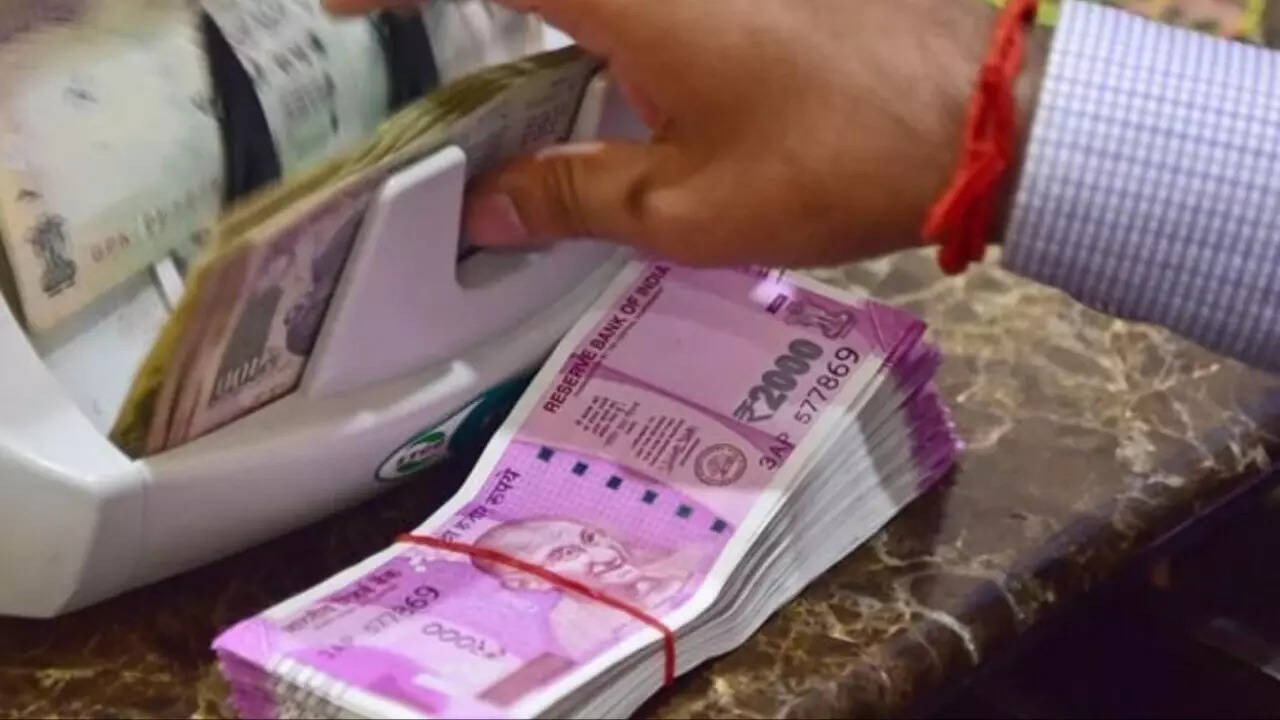
The Indian Rupee has recently experienced a bit of turbulence against the US Dollar, dipping by 25 paise to settle at 83.53. While seemingly a small shift, these fluctuations in the forex market have significant ripple effects across the Indian economy, impacting everything from import costs to investor sentiment. But what’s fueling this particular dip, and what does it mean for the days ahead?
Several factors appear to be at play, creating a complex web of influence on the Indian Rupee’s performance. Let’s untangle some of the key drivers.
The Shadow of US Economic Policy
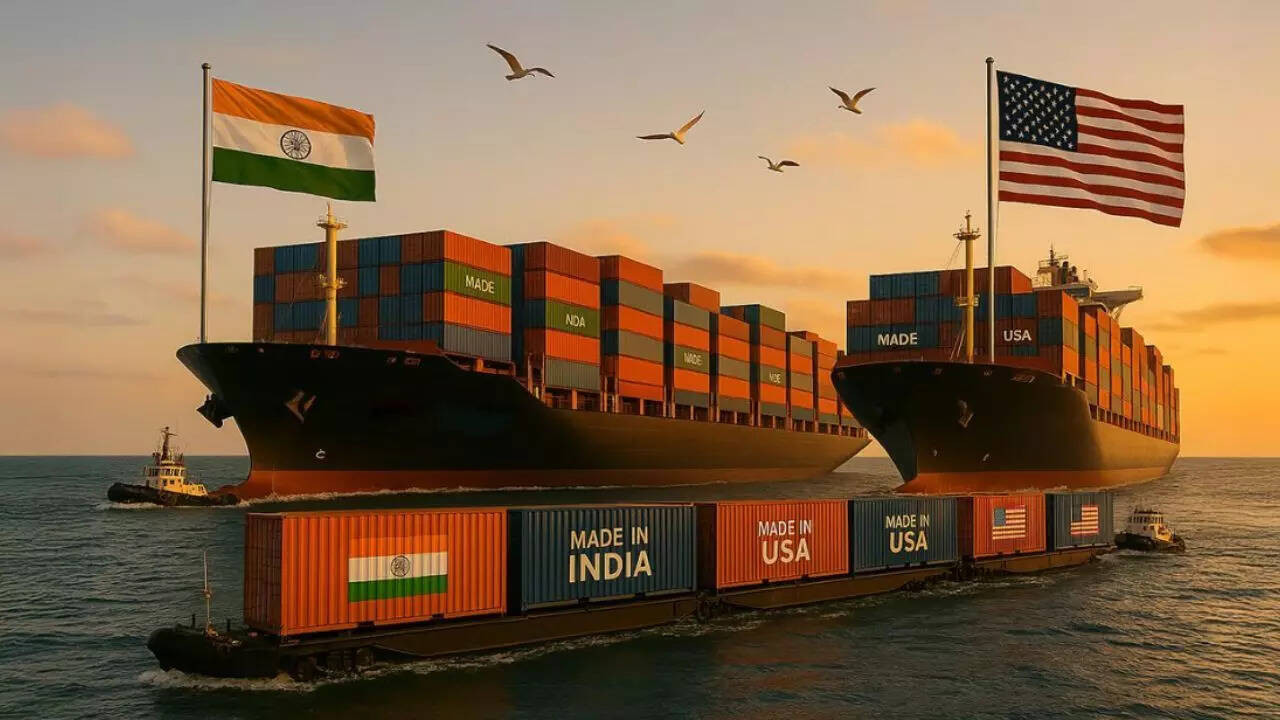
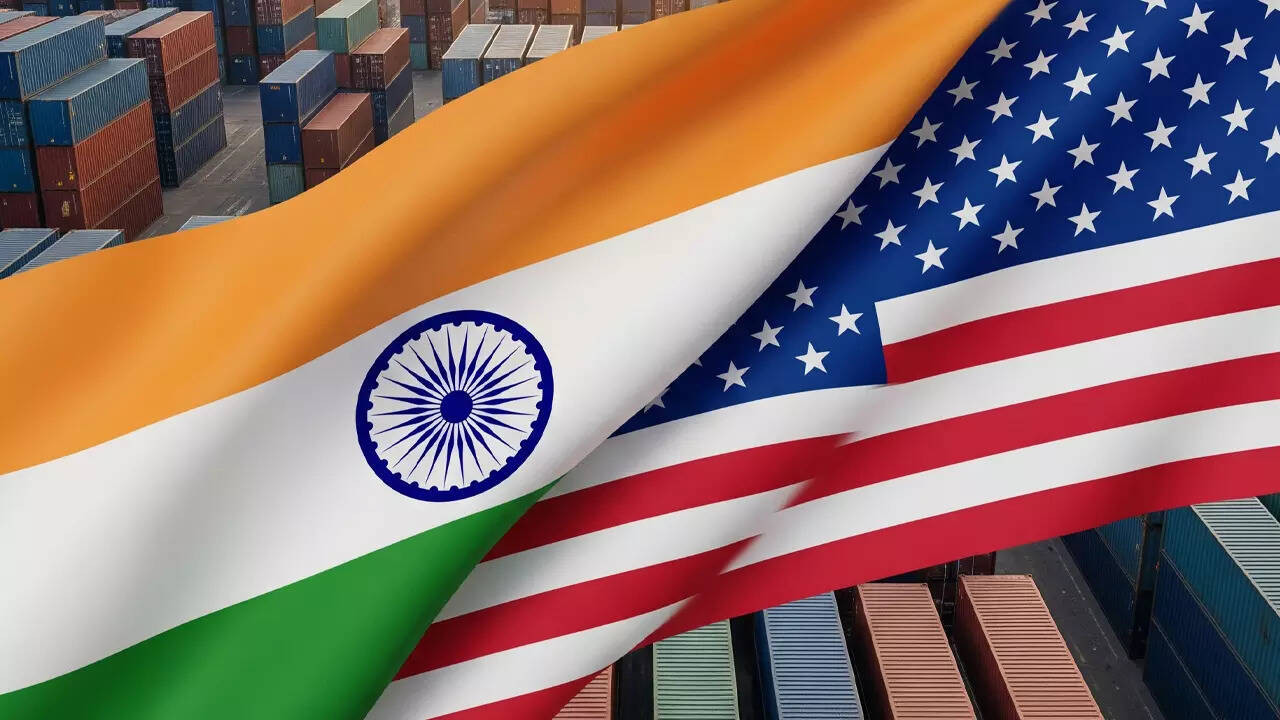
The strength of the US Dollar often acts like a gravitational force, pulling other currencies in its orbit. In this instance, anxieties surrounding potential trade tariffs, especially those hinted at by the former US president, have put upward pressure on the dollar. The prospect of increased import duties can rattle global markets, leading investors to seek the perceived safety of the US Dollar. This increased demand, naturally, strengthens its value relative to other currencies, including the Rupee.
Beyond tariffs, potential changes to US immigration policies, particularly concerning H-1B visa fees, are also casting a shadow. Higher fees or stricter regulations on these visas could impact the flow of remittances from Indian professionals working in the US back to India. Remittances are a significant source of foreign exchange for India, and any disruption to this flow can weaken the Rupee.


Domestic Drivers: India’s Economic Landscape
While external factors play a significant role, the Rupee’s fate is also tied to the health and vibrancy of the Indian economy itself. India’s import-export balance, inflation rates, and overall economic growth all contribute to the currency’s strength. Concerns about rising inflation, for instance, can weaken the Rupee as investors seek assets that offer a better hedge against inflation. The Reserve Bank of India (RBI)’s monetary policy decisions, such as interest rate adjustments, also wield considerable influence.
It’s a delicate balancing act. The RBI must manage inflation while also supporting economic growth, and its decisions on interest rates can either bolster or weaken the Rupee, depending on how the market perceives them. You can read more about these policies on the RBI’s official website or in reports detailing India’s economic performance.
The Interplay of Global Events
Geopolitical tensions and other global events invariably add another layer of complexity. Unforeseen events, such as conflicts, natural disasters, or shifts in global trade dynamics, can trigger rapid shifts in investor sentiment, leading to volatility in the currency markets.

For instance, rising crude oil prices, driven by geopolitical instability, can negatively impact the Rupee. India is a major importer of crude oil, and a higher import bill puts downward pressure on the currency. Understanding this complex interplay requires constant vigilance and a keen understanding of global events.
What Does it All Mean?
Currency fluctuations are a normal part of a globalized economy. While a weaker Rupee can make imports more expensive, potentially fueling inflation, it can also boost exports, making Indian goods more competitive on the global stage. The impact on individuals and businesses depends largely on their exposure to international trade and their risk management strategies. Businesses that import heavily may need to adjust their pricing or hedge against currency fluctuations, while exporters may find their products more attractive to foreign buyers.
Looking Ahead: Navigating the Uncertainty
Predicting the future of any currency with certainty is impossible. However, by closely monitoring global economic trends, US policy decisions, domestic economic indicators, and geopolitical events, we can gain a better understanding of the forces shaping the Indian Rupee’s trajectory. Ultimately, a stable and strong Rupee is beneficial for the Indian economy, fostering investor confidence and facilitating sustainable growth. This requires careful policy management, a resilient economy, and a stable global environment. This recent dip is a reminder of the interconnected nature of the global economy and the constant need to adapt to changing circumstances.