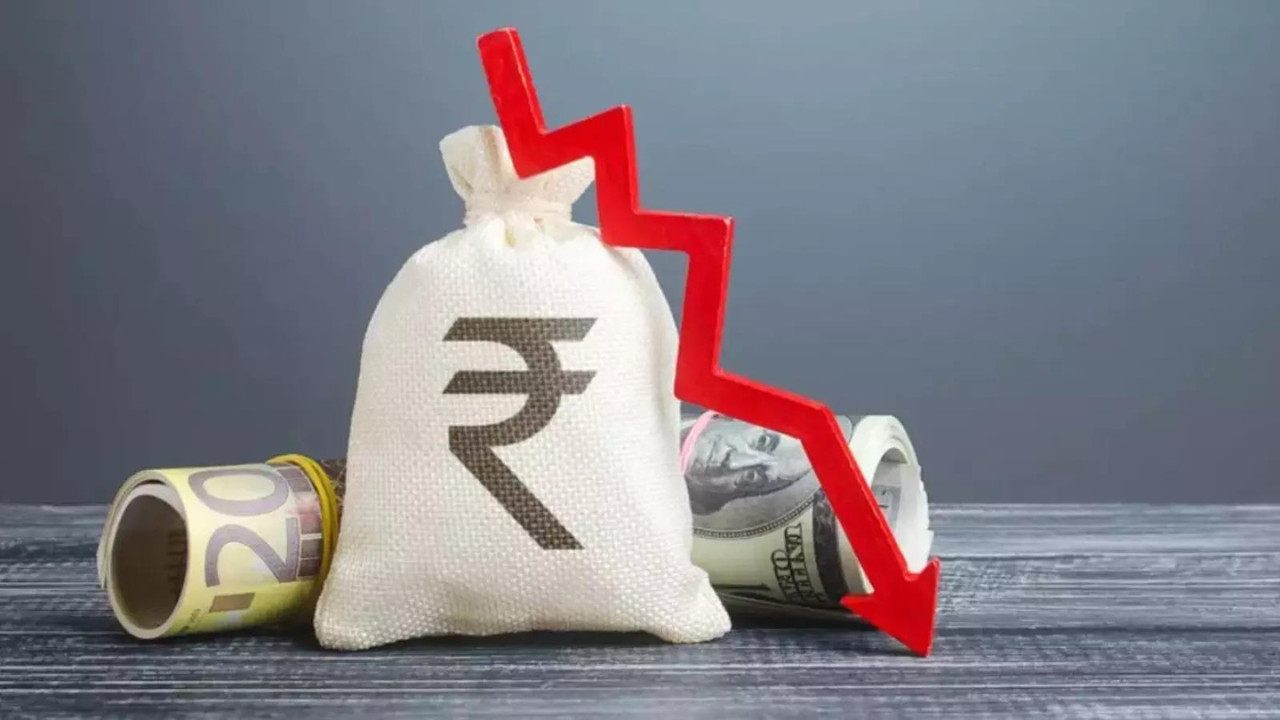
The Indian rupee plummeted to a record low of 88.75 against the US dollar, a 47 paise drop. Exporters anticipate improved price competitiveness in global markets, though concerns remain about volatility and increased import costs. While some sectors may benefit, import-heavy industries face challenges due to costlier inputs, impacting trade dynamics.
The Rupee’s Wild Ride: Good News for Some, a Headache for Others
The Indian rupee has been on a rollercoaster lately, hitting an all-time low of ₹88.75 against the US dollar. While headlines scream about economic turbulence, the story isn’t quite so black and white. For some, this dip is a cause for concern, signaling rising import costs and potential inflationary pressures. But for others, particularly those in the export sector, it’s like striking gold. So, what’s really going on, and who stands to gain (or lose) in this currency game?
Exporters Singing a Happy Tune: Why a Weaker Rupee Can Be a Boon
Imagine you’re an Indian textile manufacturer selling your goods in the United States. When the rupee weakens against the dollar, your products become comparatively cheaper for American buyers. Suddenly, your beautifully crafted sarees are more attractive than those from other countries with stronger currencies. This price advantage can lead to a surge in demand, boosting your sales and profits.
That’s precisely why exporters are popping the champagne. Sectors like IT services, pharmaceuticals, and handicrafts are expected to see a significant uptick in their earnings. They’re essentially getting more rupees for every dollar they earn, making their businesses more competitive on the global stage. This increased profitability can then translate into job creation and further economic growth within these sectors.
<img src="image-url-here.jpg" alt="An illustration depicting an Indian exporter celebrating the benefits of a weaker rupee.” width=”600″ height=”400″>

But the party doesn’t stop there. A weaker rupee can also attract foreign investment. Overseas investors might find Indian assets, like stocks and bonds, more appealing because they are cheaper to acquire when converted from dollars. This influx of capital can further strengthen the Indian economy in the long run, providing much-needed funds for infrastructure projects and other developmental initiatives.
The Importers’ Lament: Rising Costs and Inflationary Fears
On the other side of the coin, the weakening rupee is causing considerable anxiety for importers. When the rupee depreciates, it becomes more expensive to purchase goods and services from abroad. Think about essential commodities like crude oil, which India heavily relies on importing. As the rupee weakens, the cost of importing oil increases, potentially leading to higher fuel prices at the pump. This can trigger a ripple effect across the economy, driving up transportation costs and, ultimately, the prices of everyday goods and services.
Businesses that import raw materials or components for their manufacturing processes also face a tough challenge. Their input costs rise, squeezing their profit margins. They may be forced to pass these increased costs onto consumers, contributing to inflationary pressures. If you’re interested in learning more about how inflation impacts the Indian economy, check out our article on [understanding the Indian inflation rate](internal-link-to-inflation-article).
Moreover, a weaker rupee can make it more expensive for Indian companies to repay their foreign currency loans. If a company has borrowed money in dollars, the rupee equivalent of that debt increases as the rupee depreciates, potentially straining their financial health.
Navigating the Currency Conundrum: What Lies Ahead?
Predicting the future of any currency is a fool’s errand, but understanding the underlying factors influencing the rupee’s value is crucial. Global economic trends, geopolitical events, and domestic economic policies all play a role. For example, interest rate decisions made by the Reserve Bank of India (RBI) and the US Federal Reserve can significantly impact the flow of capital and, consequently, the rupee’s exchange rate.

The RBI is likely to intervene in the currency markets to manage volatility and prevent excessive depreciation. These interventions can provide some stability, but they are not a long-term solution. Ultimately, a strong and sustainable economy, driven by robust growth, fiscal responsibility, and sound monetary policies, is the key to maintaining a stable and competitive rupee.
While the current situation presents challenges for importers, it also provides a significant opportunity for exporters to shine. The long-term impact will depend on how businesses and policymakers navigate this complex landscape.
Conclusion: A Balancing Act for the Indian Economy
The rupee’s recent slide to a record low against the dollar presents a mixed bag. While Indian exporters are poised to capitalize on increased competitiveness, importers face the daunting task of managing rising costs. Ultimately, the overall impact on the Indian economy hinges on strategic policy decisions, the resilience of Indian businesses, and the global economic climate. A balanced approach that supports both export growth and mitigates the inflationary impact of a weaker rupee is critical for sustained economic prosperity.