India’s Economic Engine: Revving Up for Sustained Growth
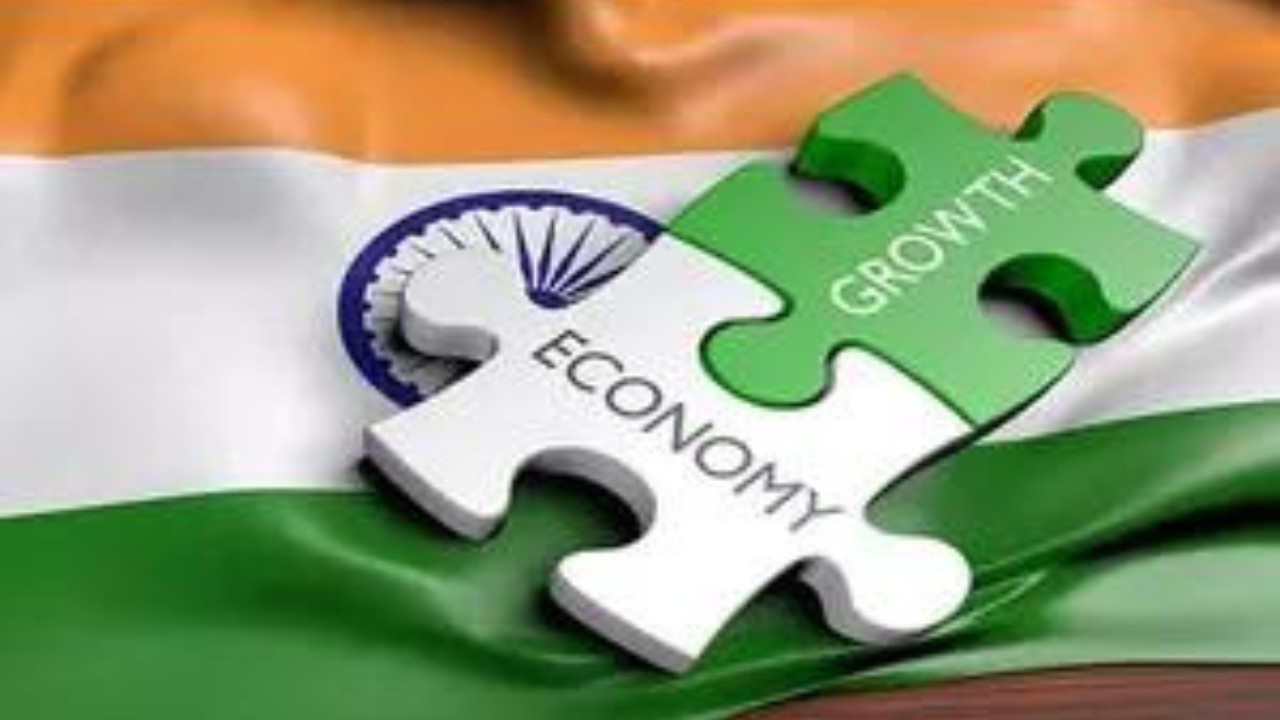
The global economic landscape is a complex jigsaw puzzle, with each nation contributing its unique piece. Lately, the focus has been shifting towards India, and for good reason. Forget fleeting booms and bursts; the narrative emerging suggests a more sustained period of robust economic expansion. International organizations are increasingly bullish on India’s trajectory, painting a picture of continued growth that has everyone taking note.
The Organisation for Economic Co-operation and Development (OECD), a group not known for over-enthusiastic pronouncements, recently projected India’s economy to expand at a healthy 6.7% in fiscal year 2026. This isn’t just a number; it’s a signpost pointing towards a future brimming with potential. Simultaneously, S&P Global Ratings chimed in with their own forecast, pegging India’s growth at a similarly impressive 6.5%. These projections aren’t pulled from thin air; they’re grounded in an analysis of India’s current economic drivers and future prospects. What’s fueling this optimism, and what does it mean for the average person?
Decoding the Drivers of India’s Economic Growth
Several factors are converging to propel India forward. A significant one is the government’s sustained focus on infrastructure development. Think massive road networks, modernized railways, and expanding port capacities. These projects aren’t just about connecting cities; they’re about connecting businesses to markets, facilitating trade, and creating jobs. Infrastructure acts as the bedrock upon which economic activity can thrive, fostering greater efficiency and productivity across sectors.


Furthermore, India’s vibrant and increasingly skilled workforce provides a crucial advantage. With a large proportion of its population in the working-age bracket, India is positioned to reap the demographic dividend. This advantage is amplified by growing investments in education and skill development programs, equipping the workforce with the tools needed to navigate the demands of a rapidly evolving global economy. This is crucial to capitalize on emerging opportunities in sectors like technology, manufacturing, and services.
Investment – both domestic and foreign – plays a vital role in accelerating India’s economic growth. The government’s efforts to streamline regulations, reduce bureaucratic hurdles, and create a more business-friendly environment are paying dividends. Foreign Direct Investment (FDI) inflows are on the rise, bringing with them not only capital but also valuable technology and expertise. Concurrently, domestic businesses are expanding, innovating, and contributing to the overall economic momentum.
Navigating the Challenges: A Realistic Outlook
While the growth story is compelling, it’s essential to acknowledge the challenges. Global economic headwinds, such as rising inflation and geopolitical uncertainties, can impact India’s growth trajectory. Domestically, addressing issues like income inequality, unemployment, and environmental sustainability are critical for ensuring inclusive and sustainable development. It’s about ensuring that the benefits of growth reach all segments of society and don’t come at the expense of the environment.
For example, the success of programs like Make in India directly impact manufacturing, and indirectly impact India’s economic growth. You can read more about how government initiatives support the economy.

Looking ahead, India’s ability to navigate these challenges will determine the extent to which it can realize its full economic potential. This requires a multi-pronged approach that includes proactive policy interventions, strategic investments, and a commitment to inclusive and sustainable development.
What Does this Growth Mean for You?
These growth projections aren’t just abstract numbers; they have real-world implications for the lives of ordinary citizens. Sustained economic growth translates into more job opportunities, higher incomes, and improved living standards. It also allows the government to invest more in social programs, healthcare, and education, further improving the quality of life for all. A growing economy creates a virtuous cycle of prosperity, where increased opportunities lead to higher consumption, which in turn fuels further growth.
India is on a path of impressive economic expansion, fueled by strategic investments, a strong workforce, and a conducive business environment. While challenges remain, the country’s resilience and adaptability suggest that it is well-positioned to navigate the complexities of the global economy and unlock its full potential. This continued growth promises a brighter future for all Indians, with greater opportunities and improved living standards. The India story is far from over; in many ways, it’s just beginning.