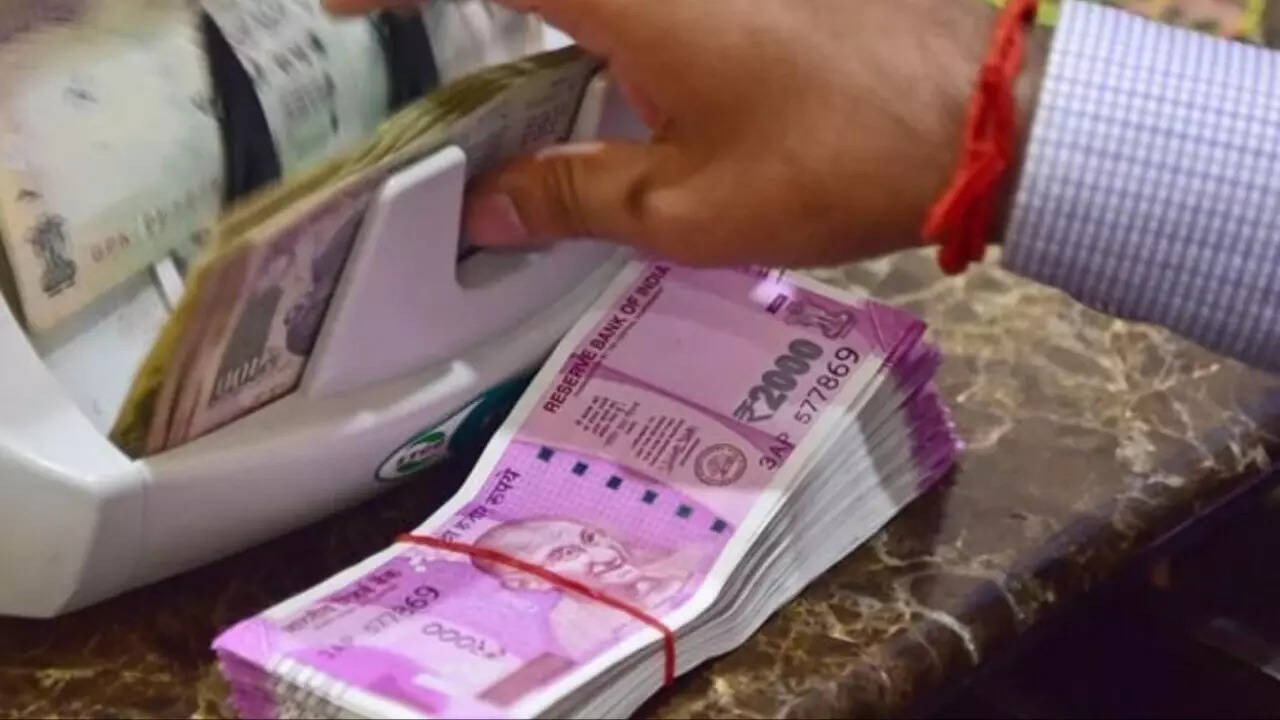
The Reserve Bank of India (RBI) is set to bolster digital payment security by mandating two-factor authentication across India’s payment ecosystem from April 1, 2026. This new framework requires at least two distinct authentication factors, including a dynamic element for each transaction. Card-not-present cross-border transactions will also get an extra layer of security by October 1, 2026.
A Safer Digital Wallet: RBI’s New Rules for Payment Authentication
Imagine a world where you can confidently swipe, tap, and click your way through online payments, knowing your hard-earned money is shielded by an extra layer of protection. That future is edging closer, thanks to a recent move by the Reserve Bank of India (RBI). Get ready for stronger digital payments security coming your way!
The RBI is bolstering the defenses surrounding our digital wallets with updated guidelines on two-factor authentication (2FA). These enhanced security measures are set to become standard practice by April 2026, marking a significant step toward a more secure and trustworthy digital payment ecosystem. But what does this actually mean for you?
What’s Changing with Digital Payment Security?
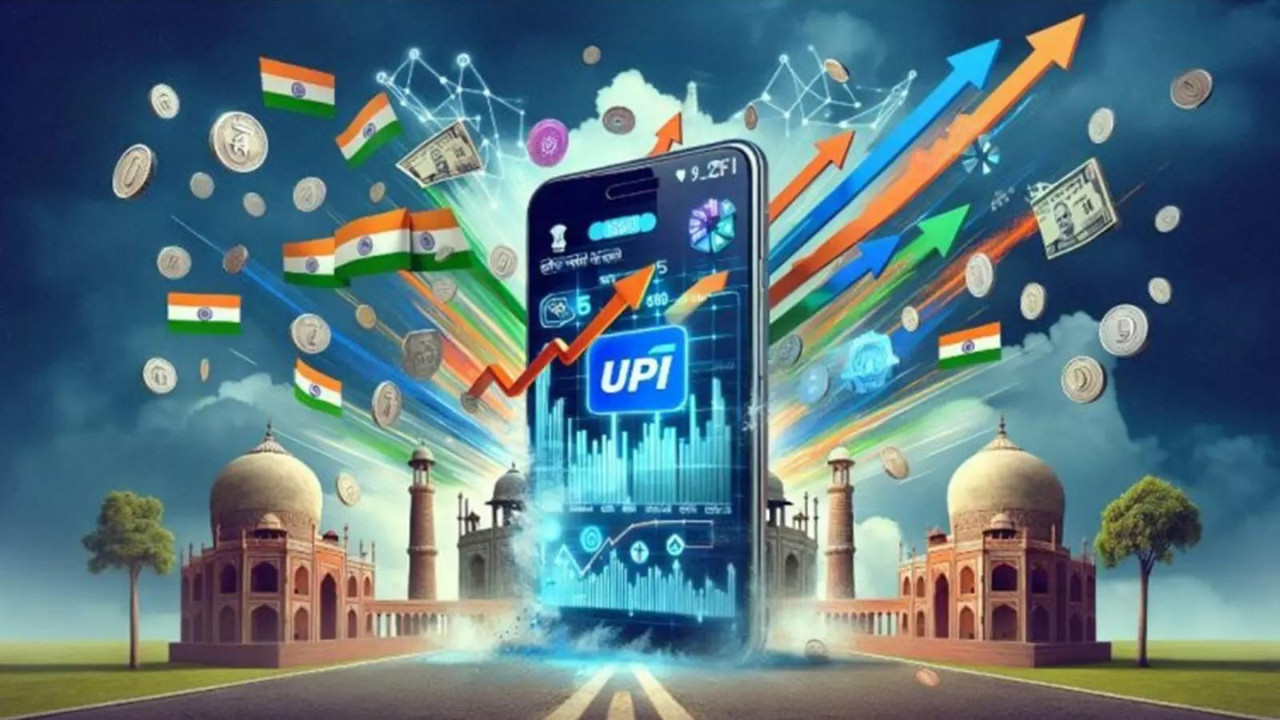
Currently, many low-value digital transactions, especially those involving UPI (Unified Payments Interface), often bypass the two-factor authentication process for the sake of speed and convenience. Think about those quick ₹100 payments for your daily chai or auto ride. While convenient, this streamlined process also presents a potential vulnerability.
The new regulations aim to address this by requiring two-factor authentication for all online transactions, regardless of the amount. This means that in addition to your debit card PIN or UPI password, you’ll need a second form of verification – often an OTP (One-Time Password) sent to your registered mobile number or email address – to complete the payment.


This mandatory 2FA requirement extends beyond UPI to cover various digital payment methods, encompassing online shopping, mobile wallet transactions, and even payments made through point-of-sale (POS) machines. The RBI’s intention is crystal clear: to minimize the risk of unauthorized transactions and safeguard consumers from potential fraud.
Why This Matters to You: Enhanced Protection and Peace of Mind
The shift toward universal two-factor authentication might add a few extra seconds to your online shopping experience, but the benefits far outweigh the minor inconvenience. By adding an extra layer of security, the RBI is directly tackling the rising concerns surrounding digital payment fraud.
Think about it: if a fraudster manages to obtain your card details or UPI credentials, they’ll still need access to your secondary authentication method (like your phone) to complete a transaction. This significantly reduces the chances of unauthorized access to your funds. The enhanced digital payments security will foster greater trust in the digital payment ecosystem, encouraging wider adoption and usage.
Furthermore, these updated guidelines align with global best practices in payment security. As digital transactions become increasingly prevalent, it’s crucial that India keeps pace with international standards to protect its consumers and maintain the integrity of its financial system.

Preparing for the Future of Digital Payments
While the implementation deadline is still a couple of years away, it’s never too early to start preparing for these changes. The most important step is to ensure your mobile number and email address are up-to-date with your bank and other financial institutions. This will ensure you receive OTPs promptly and can successfully authenticate your transactions.
It’s also a good idea to familiarize yourself with different two-factor authentication methods, such as biometric authentication (fingerprint or facial recognition) which may become increasingly common in the future. Staying informed and proactive will ensure a smooth transition to a more secure digital payment landscape. And as a business, consider reading up on PCI DSS compliance to ensure you’re adhering to all the latest security standards.
Beyond the Horizon: What’s Next for Secure Transactions?
The RBI’s move towards mandatory 2FA is just one piece of the puzzle in the ongoing effort to enhance digital payments security. We can expect to see further advancements in areas such as tokenization (replacing sensitive card details with unique tokens), fraud detection systems, and public awareness campaigns aimed at educating consumers about safe digital payment practices.
By embracing these advancements and prioritizing security, we can collectively build a digital payment ecosystem that is not only convenient and efficient but also safe and trustworthy for everyone. These guidelines will greatly enhance digital payments security. This can encourage more people to confidently participate in the digital economy.