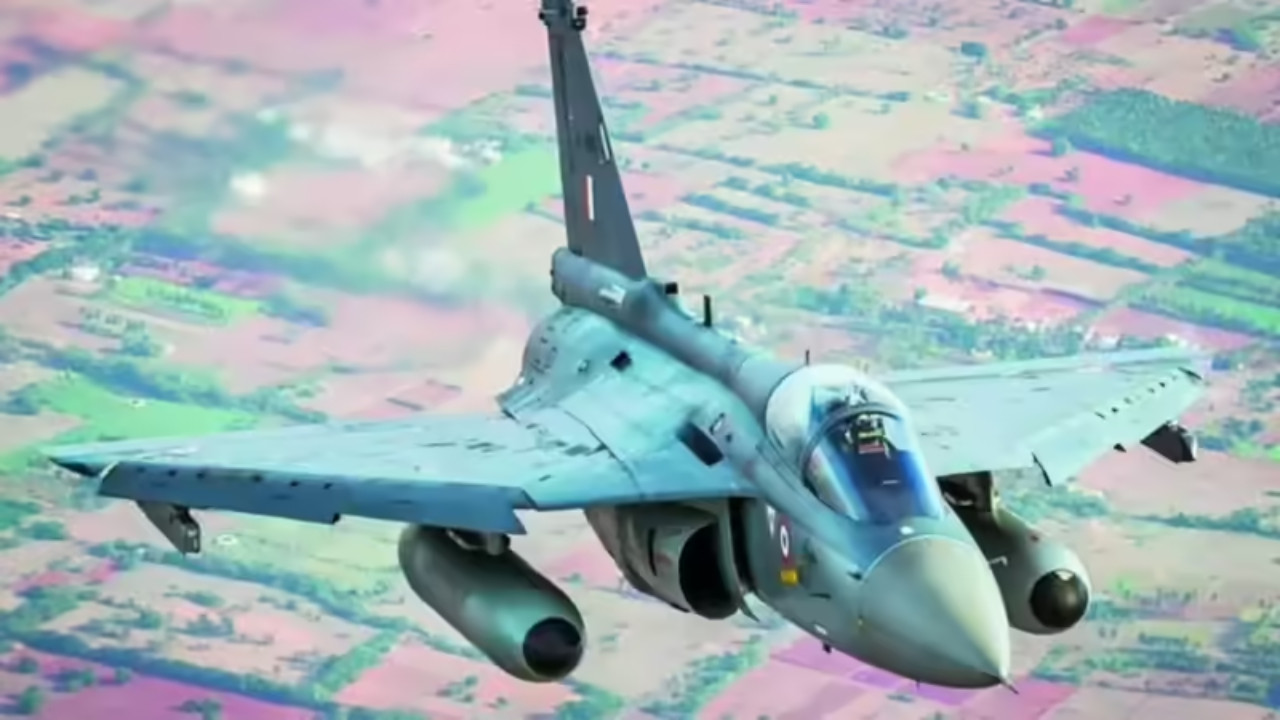
Tejas Takes Flight: How a Landmark Engine Deal Could Reshape India’s Defense Landscape
The roar of the Tejas Light Combat Aircraft (LCA) could soon be joined by the hum of closer Indo-US ties, all thanks to a potential engine deal worth billions. Hindustan Aeronautics Limited (HAL) is on the cusp of finalizing an agreement with General Electric (GE) to manufacture GE’s F404 engines right here in India, a move that promises to supercharge the capabilities of the Tejas MK1A. But what does this mean for India’s defense ambitions, and why is this deal causing such a buzz?
For years, India has strived for self-reliance in defense manufacturing. This deal isn’t just about acquiring engines; it’s about acquiring the technology and know-how to eventually produce cutting-edge engines domestically. It’s a crucial step towards reducing India’s dependence on foreign suppliers and fostering a robust indigenous defense industry. Imagine a future where India not only equips its own Air Force but also becomes a significant exporter of advanced aerospace technology. That’s the vision this agreement helps pave the way for.
Boosting the Tejas with the GE F404 Engine
The GE F404 engine is no stranger to the Tejas program. It already powers the initial versions of the LCA. However, this deal takes the relationship to a whole new level. By manufacturing these engines in India, HAL gains invaluable expertise in engine assembly, testing, and maintenance. This translates into faster turnaround times for servicing, reduced costs, and ultimately, a more combat-ready fleet of Tejas MK1A aircraft. The Tejas, already a potent and agile fighter, will receive a significant performance boost, solidifying its position as a cornerstone of the Indian Air Force.


More Than Just an Engine: Strengthening Indo-US Ties
This potential agreement transcends a simple commercial transaction. It signifies a deepening strategic partnership between India and the United States. Defense cooperation has become an increasingly important pillar of the Indo-US relationship, and this deal serves as a powerful symbol of that commitment. It demonstrates a shared interest in regional security and stability, and it lays the foundation for future collaborations in advanced defense technologies. Think of it as a vote of confidence in India’s manufacturing capabilities and a recognition of its growing role on the global stage.
This collaboration also benefits the U.S., providing GE with access to the burgeoning Indian market and leveraging HAL’s manufacturing expertise. It fosters a mutually beneficial relationship that strengthens both nations’ defense ecosystems.

The Road Ahead for Indigenous Engine Development
While this deal with GE is a significant leap forward, India’s ambition extends beyond simply assembling foreign-designed engines. The long-term goal is to develop and produce indigenous jet engines. The experience gained through manufacturing the GE F404 engines will undoubtedly provide valuable insights and technical skills for the next generation of Indian-designed powerplants. Projects like the Gas Turbine Research Establishment’s (GTRE) efforts to develop a Kaveri engine will greatly benefit from this technology transfer. This agreement acts as a stepping stone, accelerating India’s journey towards complete self-reliance in aero-engine technology. Interested in learning more about other steps India is taking towards defense modernization? Check out this article on [India’s evolving drone strategy](internal-link-to-drone-article).
The potential HAL-GE engine deal is more than just a business transaction; it’s a strategic investment in India’s future. It strengthens the Tejas program, boosts indigenous manufacturing, deepens Indo-US ties, and paves the way for a self-reliant defense industry. As India continues to modernize its armed forces and assert its role as a major global power, deals like this one will be crucial in shaping the country’s defense landscape for decades to come.