The Shifting Sands of H-1B Visas and the Flow of Money Back Home
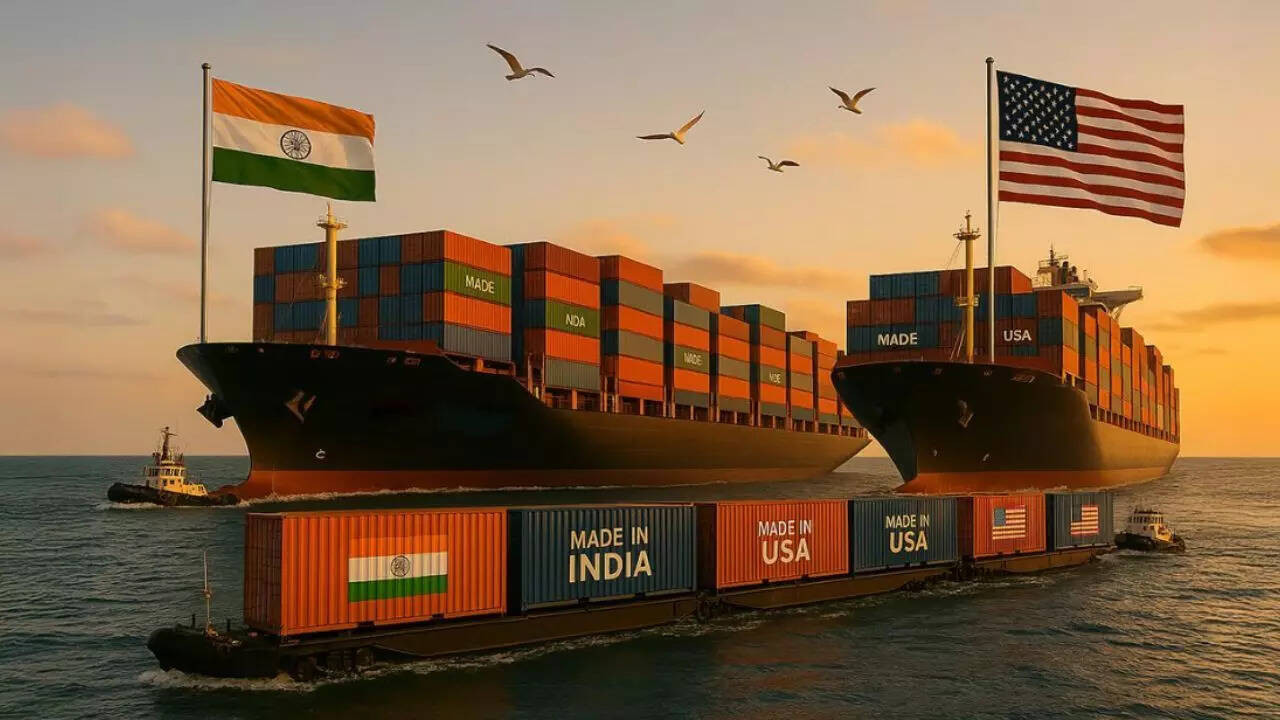
For years, the narrative has been consistent: skilled workers from India, armed with H-1B visas, flock to the US, earn well, and send a significant chunk of their earnings back home, bolstering the Indian economy. It’s a story etched in the collective consciousness of both nations. But is this narrative starting to show its age? Are the winds of change beginning to blow, altering the course of these vital financial flows?
The traditional picture painted a vibrant stream of remittances powering growth in India. The H-1B visa program, specifically designed for specialized occupations requiring theoretical or technical expertise, became a key conduit for this flow. Indian professionals, particularly in the tech sector, secured these coveted visas, fueling innovation in the US while simultaneously supporting families and investments back in India.
However, recent trends suggest a more nuanced reality is unfolding. While the overall impact of H-1B workers on remittances remains substantial, reaching under $5 billion, the rate of increase appears to be moderating. Several factors are likely contributing to this shift.

The Evolving Landscape of Tech and Talent
One crucial element is the growing strength of India’s own tech sector. No longer just a destination for outsourcing, India has transformed into a global innovation hub. Companies are increasingly investing in local talent, creating high-paying jobs within India itself. This provides an alternative for skilled professionals who might have previously sought opportunities abroad. The lure of Silicon Valley, while still strong, is now competing with the burgeoning opportunities closer to home. Furthermore, remote work options are expanding rapidly, allowing Indian tech professionals to contribute to global projects from within India, earning competitive salaries without the need to relocate.
The Rising Cost of Living in the US and Its Impact on Remittances
Another significant factor influencing the flow of money back to India is the escalating cost of living in the United States. Major metropolitan areas, where many H-1B workers reside, have seen a dramatic increase in housing costs, healthcare expenses, and everyday necessities. This puts a strain on disposable income, naturally reducing the amount available for remittances. The dream of sending a large portion of earnings back home is increasingly tempered by the practical realities of making ends meet in an expensive environment.
Changes in Visa Policies and Their Ripple Effect
The H-1B visa program itself has undergone several changes in recent years, with increased scrutiny and stricter regulations. While the program remains an important pathway for skilled workers, the application process has become more complex and competitive. This can discourage some potential applicants or lead to delays in visa approvals, ultimately affecting the number of individuals working in the US under this visa category. The uncertainties surrounding visa policies can create a disincentive for long-term financial planning, potentially impacting remittance patterns. 

Investment Opportunities and Shifting Priorities
It’s also crucial to consider the changing investment landscape in India. With a growing economy and a more stable political environment, India is becoming an increasingly attractive destination for investment. Many H-1B workers, instead of sending money solely for family support, are now exploring investment opportunities in India, such as real estate, stocks, and entrepreneurial ventures. This shift in priorities can alter the way remittances are structured, with a greater emphasis on long-term investments rather than immediate financial support. The rise of sophisticated financial products and investment platforms in India has further facilitated this trend.
A More Sustainable Model?
The evolving dynamics of H-1B visas and remittances may not necessarily signal a decline in the program’s importance, but rather a transition towards a more sustainable and diversified model. The growing strength of the Indian economy, coupled with the changing realities of life in the US, are creating a new equilibrium. While the flow of remittances may not continue to increase at the same rate as in the past, the overall impact of Indian professionals on both the US and Indian economies remains substantial. The focus may be shifting from simple financial support to more strategic investments and collaborations that benefit both nations in the long run. What is certain is that this space continues to evolve as immigration policies, global economics, and technologies continue to change. Understanding these shifting sands is crucial for policymakers, businesses, and individuals alike. Consider exploring other articles on our site that analyze the evolving trends in global migration and their economic implications.