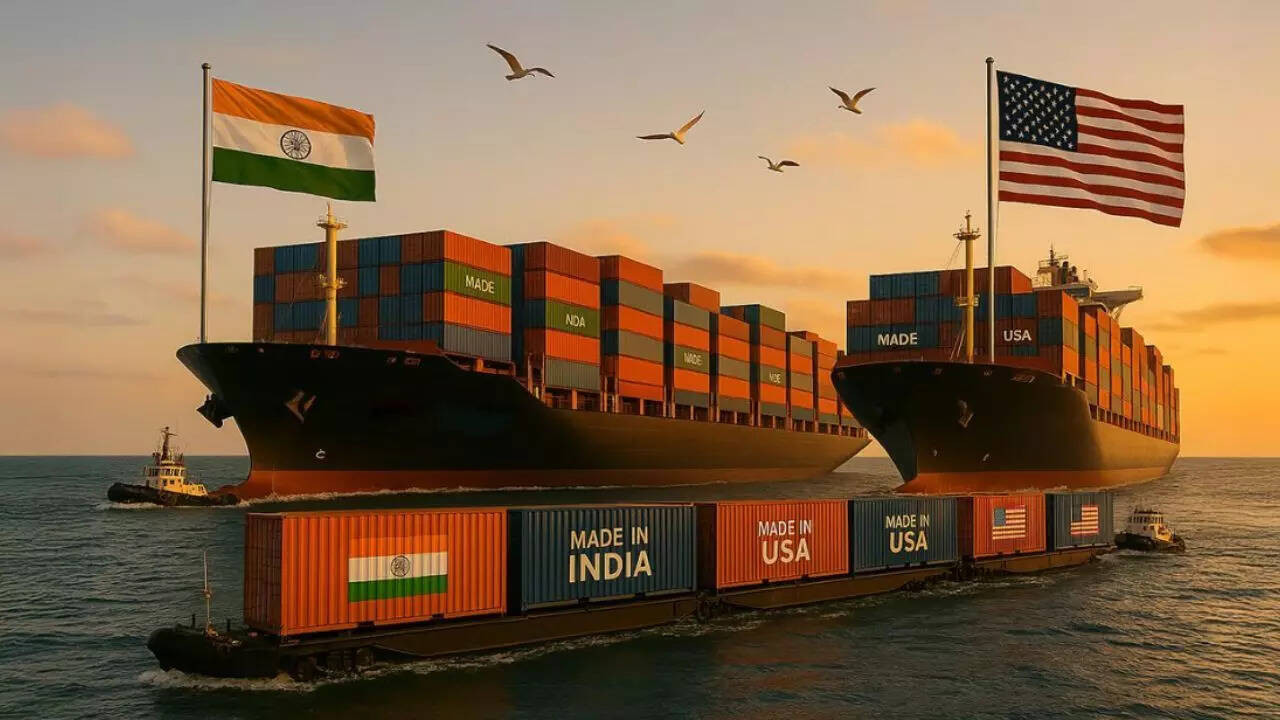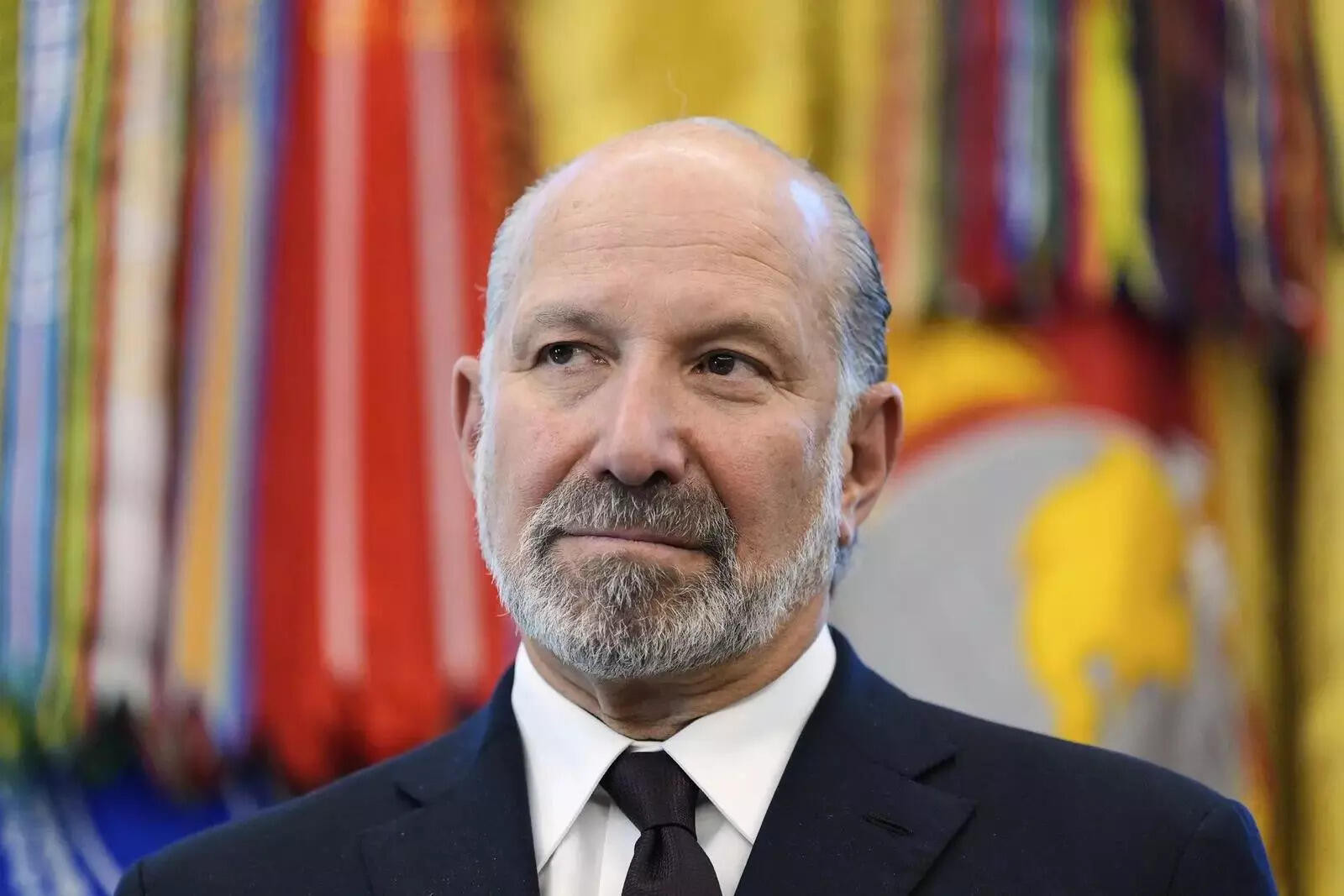
US Commerce Secretary Howard Lutnick controversially stated the US needs to “fix” India, Brazil, and Switzerland for trade deals, imposing high tariffs for their “incorrect” responses. His “mafioso-like” language drew sharp criticism, with commentators likening him to a “mafia consigliere.” India, however, has responded coolly, asserting its national interest in trade negotiations.
Cracks in the BRICS? Why India & Brazil Need a Fix in the Tariff Tango
The global trade landscape is constantly shifting, a complex dance of tariffs, agreements, and geopolitical maneuvering. Recently, Howard Lutnick, the CEO of Cantor Fitzgerald, threw a spotlight on what he sees as a potential stumbling block in this dance: the trade relations between India and Brazil. His message was blunt: these two economic powerhouses need to be “fixed.” But what exactly needs fixing, and why should we care?
Lutnick’s comments, made during a recent interview, cut to the heart of a simmering issue. While the BRICS nations (Brazil, Russia, India, China, and South Africa) are often touted as a unified force representing the emerging world, the reality on the ground is far more nuanced. Internal trade barriers and protectionist policies continue to hinder seamless economic cooperation, and India and Brazil, despite their potential, haven’t been immune.
The heart of the matter appears to be tariffs. These taxes on imported goods can significantly impact the flow of goods and services between countries. They can be used to protect domestic industries, but also lead to higher prices for consumers and retaliatory measures from trading partners. Lutnick’s concern suggests that the tariff structures between India and Brazil are creating friction, impeding trade and potentially undermining the broader goals of the BRICS alliance.


So, what’s at stake? For starters, both India and Brazil possess enormous economic potential. India, with its rapidly growing population and burgeoning tech sector, is a global economic powerhouse. Brazil, blessed with abundant natural resources and a strong agricultural sector, is a key player in South America. Strengthening trade ties between these two nations could unlock significant economic benefits for both.
Imagine the possibilities: Indian technology companies gaining easier access to the Brazilian market, Brazilian agricultural products finding a wider consumer base in India, and collaborative ventures driving innovation across both countries. This isn’t just about numbers on a spreadsheet; it’s about creating jobs, fostering growth, and improving the lives of citizens in both nations.
But the benefits extend beyond the purely economic. Stronger trade ties can also foster deeper diplomatic and cultural links. Increased interaction and collaboration can lead to a better understanding between the two nations, strengthening their partnership on the global stage. In a world increasingly characterized by geopolitical uncertainty, such alliances are more important than ever.
However, the path to smoother trade relations is rarely straightforward. Both India and Brazil have historically adopted protectionist policies aimed at shielding domestic industries from foreign competition. While such policies can provide short-term benefits, they can also stifle innovation and limit consumer choice in the long run.
Moreover, navigating the complexities of international trade agreements requires careful negotiation and compromise. Both countries need to be willing to address each other’s concerns and find mutually beneficial solutions. This may involve lowering tariffs on specific goods, streamlining customs procedures, and promoting transparency in trade regulations.

What could a “fix” look like? One potential solution is a comprehensive review of existing trade agreements between India and Brazil. This review should identify areas where tariffs can be reduced or eliminated, and where non-tariff barriers to trade can be addressed. Increased dialogue between government officials, business leaders, and trade experts from both countries is also crucial.
Ultimately, addressing the India Brazil tariff issue requires a long-term commitment to fostering a more open and collaborative trade environment. Both countries need to recognize the enormous potential of their partnership and be willing to make the necessary adjustments to unlock that potential. Just like India has taken steps to improve its tech manufacturing capabilities, trade is an area that can benefit both countries. Consider reading about our article on [India’s Tech Manufacturing Boom](internal-link-here).
In conclusion, Lutnick’s pointed remarks serve as a timely reminder of the challenges and opportunities facing the BRICS nations. While the group represents a powerful force in the global economy, internal trade barriers and protectionist policies continue to hinder its progress. Addressing the tariff issue between India and Brazil is a critical step towards unlocking the full potential of this important partnership. A “fix” is needed, not just for the sake of these two nations, but for the broader goals of global economic cooperation and stability.