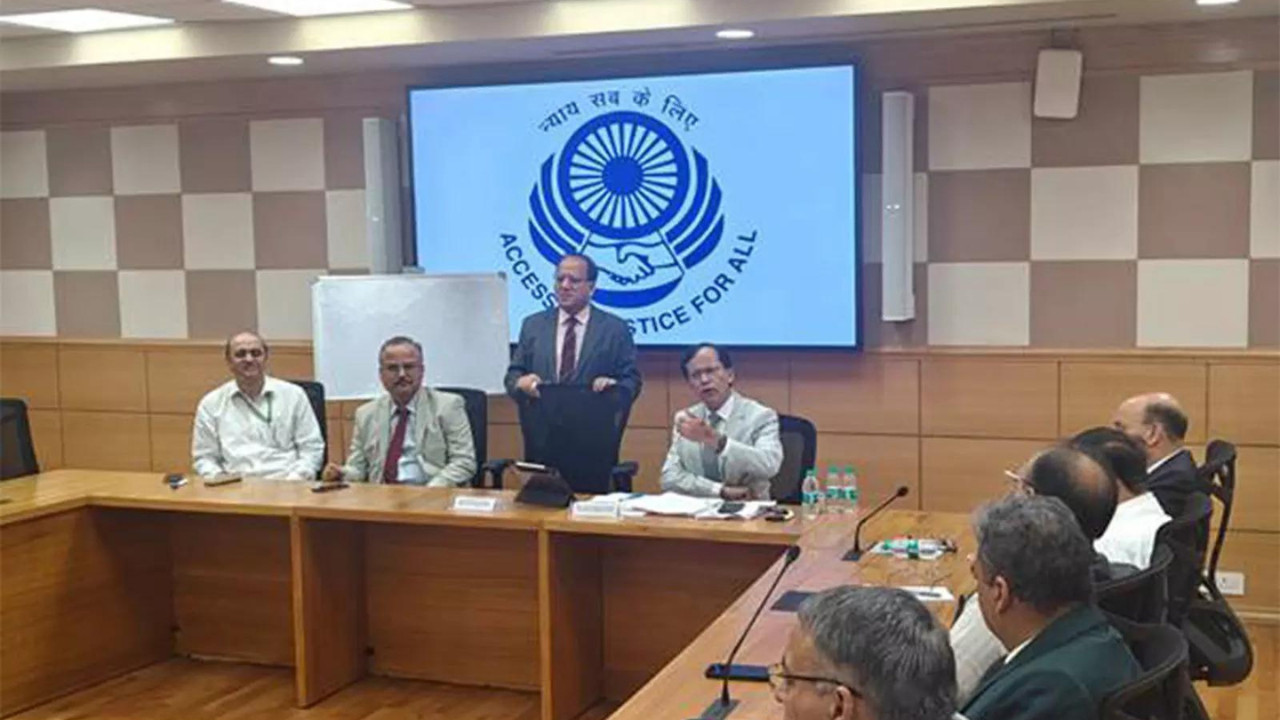
The Department of Financial Services, with the Supreme Court’s MCPC, recently conducted a 40-hour mediation training for DRT officers and public sector bank executives. Held in September, the programme highlighted alternative dispute resolution’s growing importance in the financial sector. Participants learned mediation fundamentals, negotiation, and dispute resolution techniques under RDB and SARFAESI Acts, receiving widespread appreciation for the initiative.
Navigating the Debt Maze: Why Mediation Training is a Game-Changer for DRT Officers
Imagine being caught in a financial whirlwind, debts swirling around you, each attempt to escape only tightening the constraints. This is the reality for many individuals and businesses navigating the complex world of debt recovery. Often, the Debt Recovery Tribunals (DRTs), established to expedite these resolutions, can feel like another layer of the maze. But what if there was a path through that maze, one paved with understanding, negotiation, and ultimately, resolution? That’s the promise of enhanced mediation training for DRT officers.
Traditionally, the DRTs function within a framework of legal procedures, focusing on adjudicating claims and enforcing recovery. While effective in some cases, this approach can sometimes feel adversarial and fail to address the underlying issues contributing to the debt. It’s a system geared towards finding winners and losers, but what if everyone could win, or at least find a tolerable compromise?
The Department of Financial Services (DFS), along with a Supreme Court panel, is spearheading an initiative to equip DRT officers with advanced mediation skills. This isn’t about softening the blow or letting debtors off the hook. It’s about fostering a more constructive and ultimately more efficient resolution process. Think of it as adding a skilled negotiator to the courtroom, someone capable of bridging divides and finding common ground.


The heart of this initiative lies in acknowledging that many debt disputes aren’t simply black and white. Often, there are extenuating circumstances, misunderstandings, or genuine attempts at repayment that have faltered. By honing their mediation skills, DRT officers can better understand these nuances, facilitating a more empathetic and practical approach to dispute resolution. This isn’t just about knowing the law; it’s about understanding people and their financial realities.
Why Mediation? A Win-Win Scenario
So, why is mediation being prioritized now? The answer is multifaceted. First, it’s about reducing the backlog of cases plaguing the DRTs. A successful mediation can circumvent lengthy legal battles, freeing up resources and allowing the tribunals to focus on more complex or contentious matters. Second, it’s about fostering a more sustainable resolution. A mediated agreement, where both parties feel heard and understood, is more likely to be adhered to in the long run than a judgment imposed from above. Third, it’s about fostering a culture of financial responsibility and cooperation, rather than one of animosity and conflict.
The Supreme Court’s involvement underscores the significance of this initiative. The panel’s expertise and guidance ensures that the training programs are robust, relevant, and aligned with the highest standards of judicial practice. It’s a clear signal that mediation skills are no longer considered a soft skill, but a critical competency for effective debt resolution.
This focus on mediation comes at a crucial time, as India’s financial landscape continues to evolve. With increasing access to credit and a growing entrepreneurial spirit, the potential for debt-related disputes is also on the rise. Equipping DRT officers with the necessary skills to navigate these complex scenarios is essential for maintaining a stable and healthy financial ecosystem.
What’s Next? Building a Future of Collaborative Debt Resolution
The training programs are designed to equip officers with a comprehensive understanding of mediation techniques, communication strategies, and conflict resolution skills. It’s an investment in human capital, aimed at transforming the DRTs from purely adjudicatory bodies into centers for collaborative dispute resolution. Further, with a more streamlined DRT process, businesses and individuals can return to focusing on building a healthy financial future. This is a welcome sign for the Indian economy, showing that judicial organizations are working hard to create an efficient process that benefits all parties involved.

This shift towards mediation isn’t just about improving the efficiency of the DRTs; it’s about fostering a more humane and understanding approach to debt resolution. It’s about recognizing that behind every debt is a story, and that by understanding that story, we can find a path towards a more equitable and sustainable outcome. And by extension, this focus may help improve the rate of success in DRT cases overall. For more information about managing debt and improving your financial standing, check out our guide on [responsible borrowing practices](internal-link).
In conclusion, the enhanced mediation training for DRT officers represents a significant step towards a more efficient, equitable, and ultimately, more effective debt resolution process in India. It’s a win-win scenario for debtors, creditors, and the judicial system as a whole, paving the way for a future where financial disputes are resolved not through adversarial battles, but through constructive dialogue and mutually agreeable solutions.