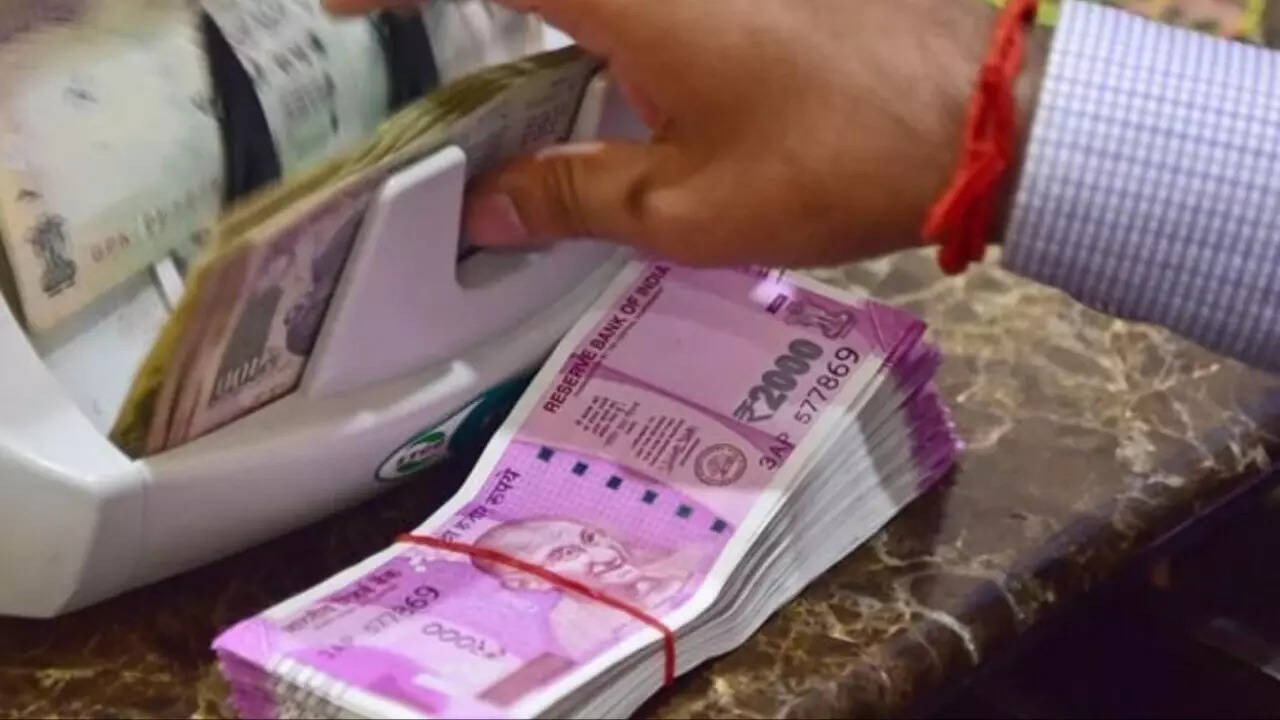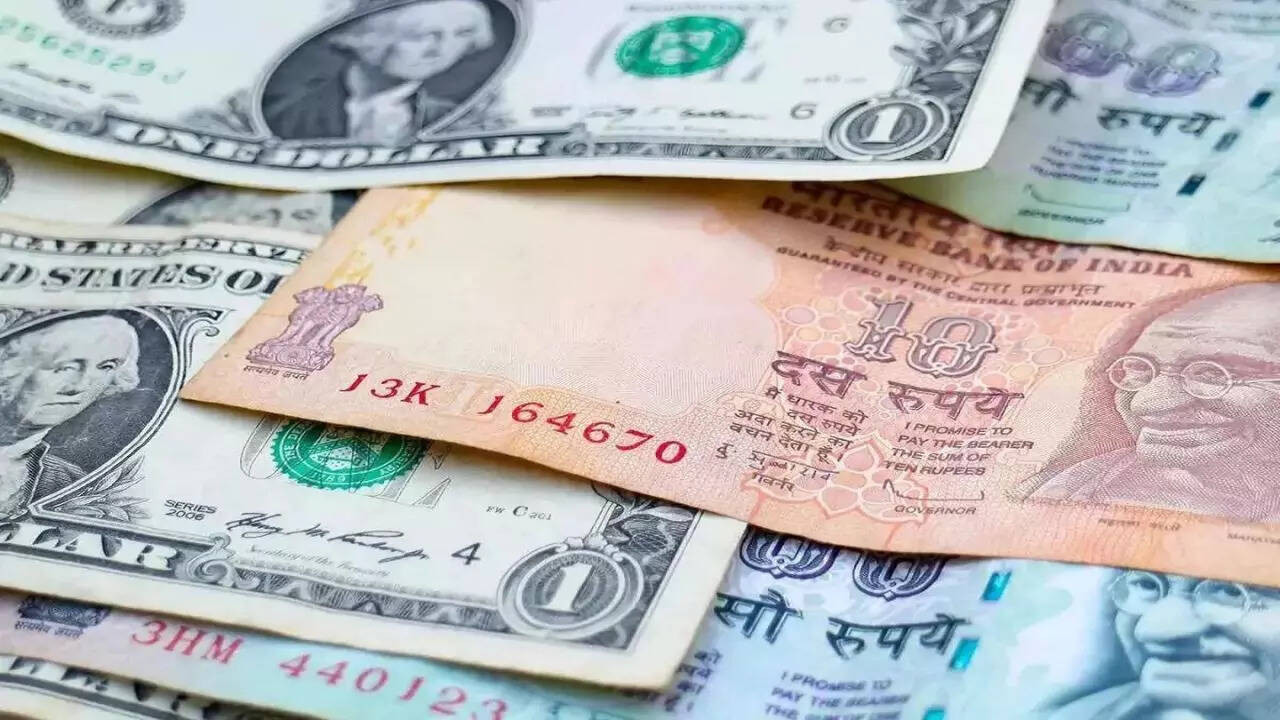
The Reserve Bank of India has announced significant measures to elevate the rupee’s global role, permitting cross-border lending in INR to Bhutan, Nepal, and Sri Lanka, and expanding the use of Special Rupee Vostro Accounts. These initiatives aim to lessen US dollar dependence, supported by India’s strong economic fundamentals, including a moderated current account deficit and robust forex reserves.
Taking the Rupee Global: RBI’s Bold New Moves
The Indian Rupee, for decades a largely domestic currency, is on the cusp of a significant transformation. The Reserve Bank of India (RBI) recently unveiled a series of strategic measures designed to propel the internationalisation of the Rupee, aiming to make it a more widely accepted and used currency on the global stage. But what exactly does this mean, and how will it impact Indian businesses and the broader economy?
For years, the Indian Rupee has primarily been used within India’s borders. International transactions involving Indian entities have typically been conducted in major currencies like the US dollar, the Euro, or the British pound. This reliance on foreign currencies exposes Indian businesses to exchange rate fluctuations and increases transaction costs. The RBI’s push for internationalisation is a direct attempt to mitigate these challenges and unlock new opportunities for growth.
So, what are these new measures? The RBI is taking a multi-pronged approach. Firstly, they are encouraging banks to establish more Special Rupee Vostro Accounts (SRVAs). These accounts, held by correspondent banks of other countries in Indian banks, facilitate trade in Rupees directly, bypassing the need for a third-party currency. The more SRVAs established, the easier it becomes for countries to trade with India using the Rupee. This is a key element in promoting wider acceptance of the Indian Rupee.


Beyond SRVAs, the RBI is also streamlining the process for foreign portfolio investors (FPIs) to invest in Indian government bonds. By making it easier for international investors to participate in the Indian debt market, the demand for Rupees is likely to increase, further strengthening its position. These policies will also allow Indian banks to freely invest in overseas markets. This newfound freedom allows Indian banks to manage their capital more efficiently and participate more actively in the global financial system.
Furthermore, the central bank is actively engaging with other countries to explore bilateral trade agreements denominated in Rupees. Imagine trading with a nation using only your respective local currencies – it eliminates the need for a middleman currency and fosters stronger economic ties. This approach is particularly beneficial for countries with limited access to major reserve currencies.
This isn’t just about making the Rupee look good on the world stage; it’s about tangible benefits for the Indian economy. A more internationalised Rupee can reduce India’s dependence on the US dollar, shielding the economy from external shocks caused by fluctuations in the dollar’s value. It can also lower transaction costs for Indian businesses engaged in international trade, boosting their competitiveness. Imagine the savings for companies who no longer need to factor in hefty currency conversion fees!
The transition to a more prominent global role for the Rupee won’t happen overnight. It requires careful calibration, continuous monitoring, and a concerted effort from all stakeholders, including the government, the RBI, banks, and businesses. We can already see the positive effects of government initiatives, such as the Production Linked Incentive (PLI) schemes, which are encouraging foreign companies to set up manufacturing hubs in India and export their products. This inherently increases demand for the internationalisation of the Rupee.
However, there are challenges to consider. Building confidence in the Rupee requires maintaining macroeconomic stability, controlling inflation, and ensuring a stable exchange rate regime. A volatile Rupee will deter foreign investors and undermine efforts to promote its international use.

What does this mean for the average Indian citizen? In the long run, a stronger and more stable Rupee can lead to lower import costs, making goods and services more affordable. It can also attract more foreign investment, creating jobs and boosting economic growth. Learn more about India’s economic growth in our post about [India’s projected economic future].
The RBI’s recent announcements mark a significant step towards internationalisation of the Rupee. While the road ahead may have its bumps, the potential benefits for the Indian economy are substantial. A more globally accepted Rupee can empower Indian businesses, reduce reliance on foreign currencies, and ultimately contribute to a more prosperous and resilient India. These initiatives are a testament to India’s growing economic prowess and its ambition to play a larger role in the global financial landscape. The journey is underway, and the world is watching.