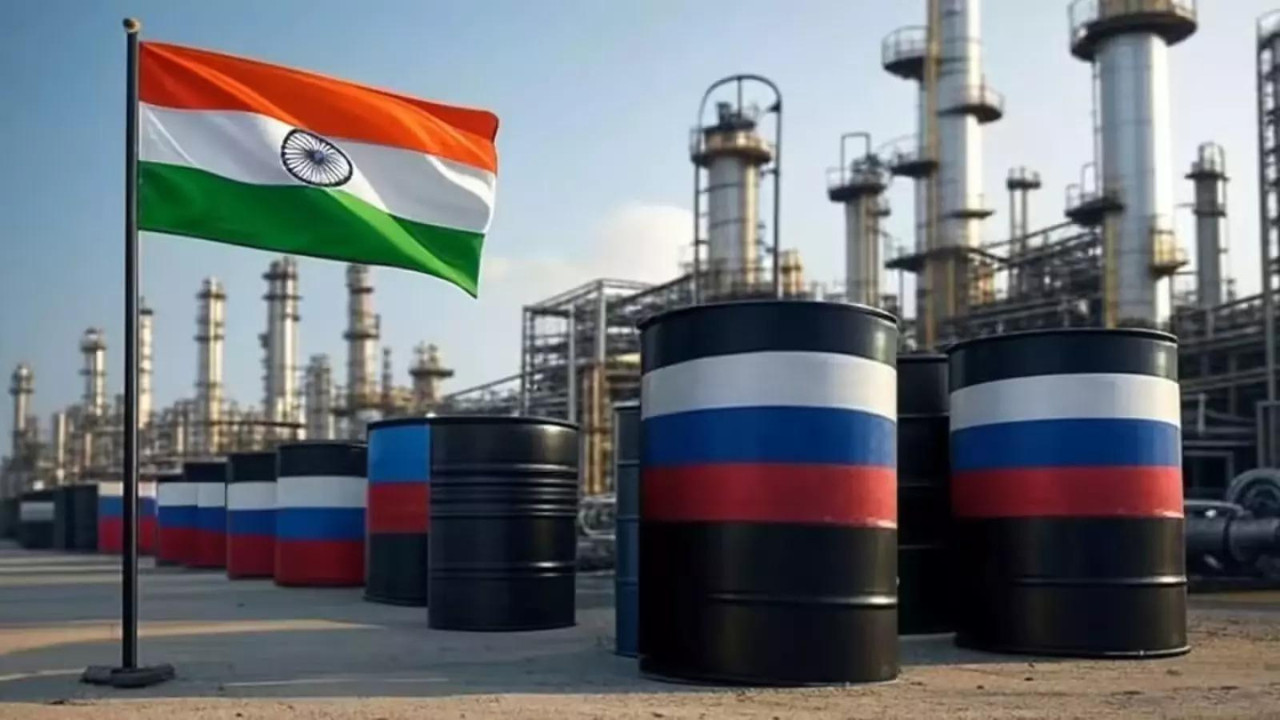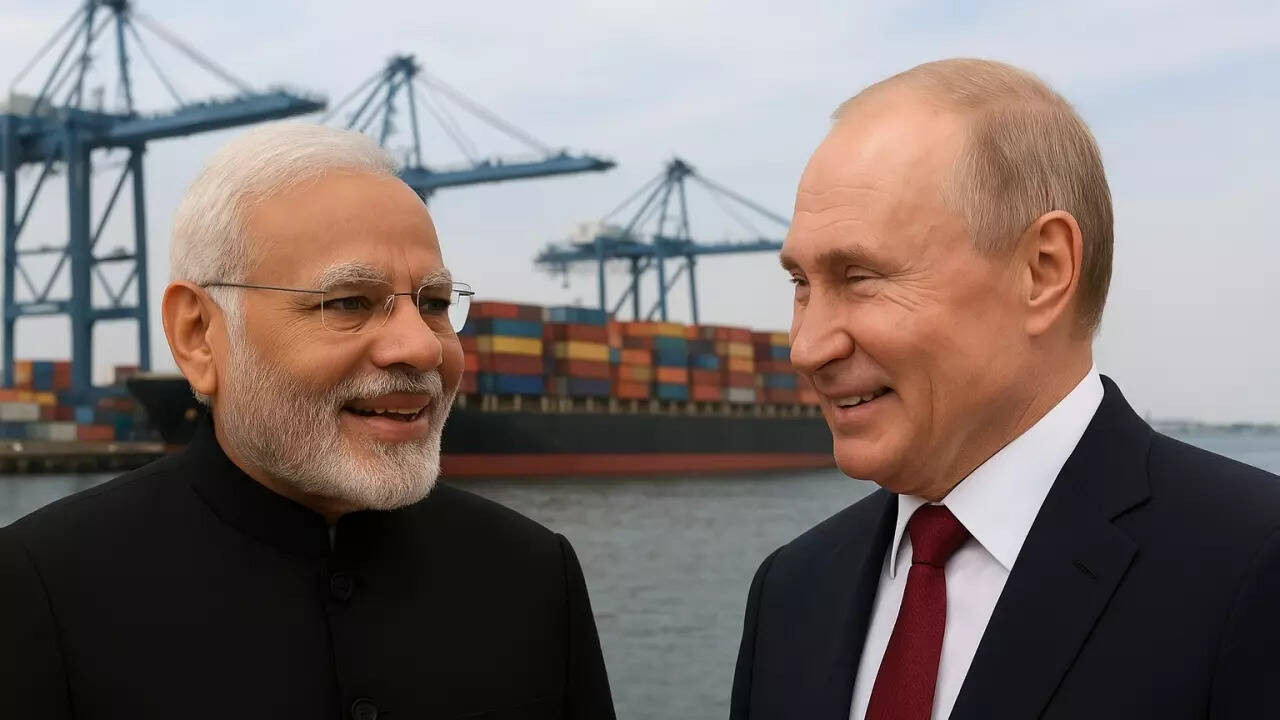
Russian President Vladimir Putin is pushing to deepen trade ties with India, instructing officials to increase imports of Indian agricultural goods and pharmaceuticals. This move aims to address the trade imbalance caused by India’s substantial crude oil purchases, especially as India faces US tariffs.
Navigating the New Silk Road: Can Russia’s Import Push Balance Trade with India?
The economic landscape between India and Russia is shifting, and the winds of change are blowing from Moscow. President Putin, recognizing a growing trade imbalance and losses faced by Indian businesses due to U.S. tariffs, has directed Russian officials to aggressively ramp up imports from India. It’s a fascinating development with the potential to reshape the Indo-Russian economic relationship and offer Indian exporters a valuable new avenue. But can this top-down directive truly translate into a balanced and thriving trade partnership?
For years, the narrative surrounding Indo-Russian trade has been largely one-sided: India heavily reliant on Russian energy and defense equipment. Think of the S-400 missile defense system, or the steady flow of crude oil that fuels India’s growing economy. While this relationship has been mutually beneficial, it has also created a significant trade deficit for India. Putin’s recent order signifies a willingness to actively address this imbalance, moving beyond the traditional buyer-seller dynamic towards a more equitable exchange.

Why the Sudden Urgency to Boost Russian Imports from India?
Several factors likely contribute to Putin’s directive. Firstly, the burgeoning trade imbalance is becoming increasingly difficult to ignore. Secondly, the pressure of Western sanctions has driven Russia to seek alternative markets and partners. India, with its massive consumer base and burgeoning manufacturing sector, presents an attractive opportunity.

Finally, the move can be seen as a strategic maneuver to strengthen ties with a key geopolitical ally. In a world increasingly defined by multipolarity, nurturing robust economic partnerships is paramount. India, with its growing global influence, is a crucial piece of this puzzle for Russia.
What Goods Could Russia Import from India?
The question then becomes: what exactly could Russia realistically import from India in substantial quantities? While the specifics remain to be seen, several sectors hold significant promise. Pharmaceuticals, a sector where India has established itself as a global leader, are a prime candidate. Engineering goods, textiles, and agricultural products also offer considerable potential. The key will be identifying products where Indian manufacturers can offer competitive pricing and quality compared to existing Russian suppliers.
Moreover, tapping into India’s digital prowess could be a game-changer. Russia is increasingly looking to develop its own domestic tech industry, and Indian IT companies possess valuable expertise that could be leveraged in areas like software development, cybersecurity, and artificial intelligence.
Challenges and Opportunities: Navigating the Path Ahead
While the initiative presents a significant opportunity for Indian businesses, several challenges need to be addressed. Logistics, for example, remain a major hurdle. The distance between India and Russia, coupled with the complexities of navigating customs regulations, can significantly increase transportation costs and delays. Establishing efficient and reliable supply chains will be crucial for success.

Furthermore, cultural and linguistic differences can pose communication barriers. Investing in translation services and fostering cross-cultural understanding will be essential for building strong and lasting business relationships.
However, overcoming these hurdles could unlock significant long-term benefits for both countries. Increased trade could diversify India’s export markets, reducing its reliance on traditional partners. It could also provide Russian consumers with access to a wider range of affordable and high-quality goods.
This push for balancing trade is not just a matter of economic necessity; it’s a strategic alignment in a rapidly changing world. The initiative reflects a broader trend of countries seeking to diversify their partnerships and reduce their dependence on any single economic power.
Conclusion: A New Chapter in Indo-Russian Economic Relations?
Putin’s directive to increase Russian imports from India represents a pivotal moment in the economic relationship between the two countries. While challenges undoubtedly remain, the potential benefits are substantial. If implemented effectively, this initiative could pave the way for a more balanced, diversified, and resilient trade partnership that serves the interests of both nations and provides Indian exporters with new opportunities. The future of Indo-Russian trade hinges on the successful implementation of this ambitious plan, and the coming months will be crucial in determining whether this new chapter can be written with lasting success. We should expect to see increases in imports to help with balancing trade.