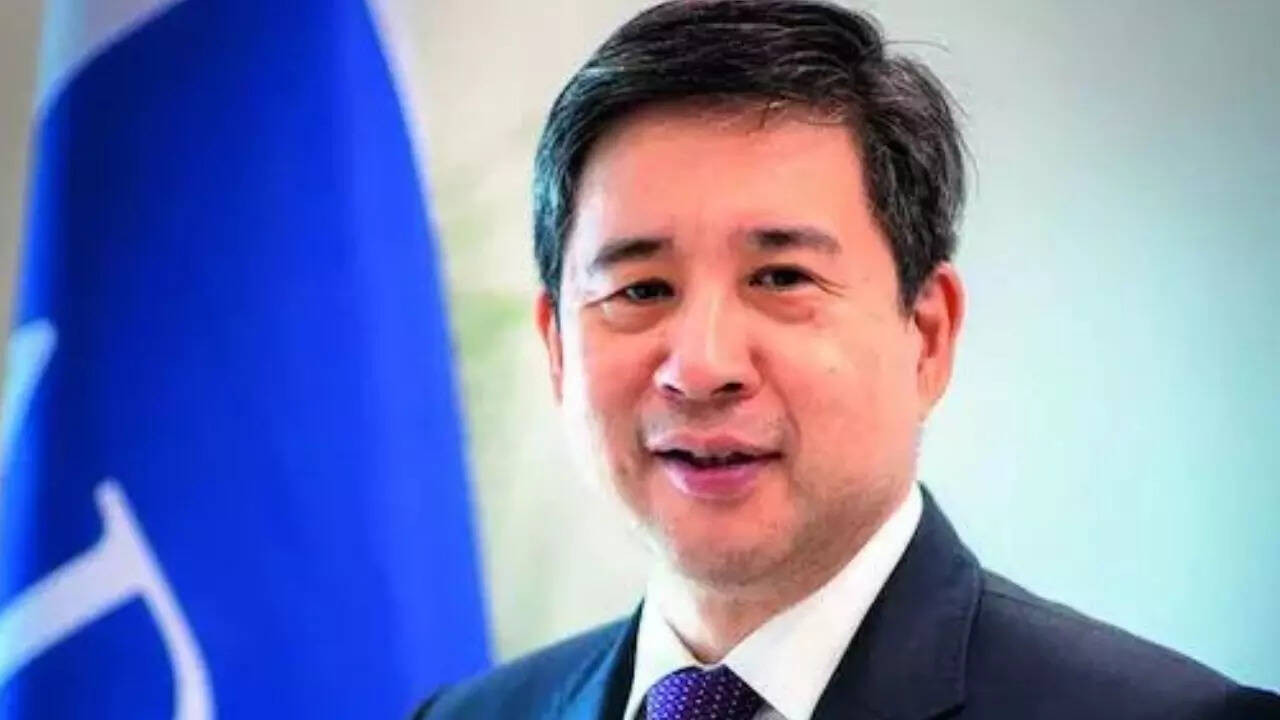
ADB chief economist Albert Park affirms India’s robust 6.5% growth forecast, second highest in Asia, despite modest impacts from Trump tariffs on goods exports. He advises India to negotiate with the US, pursue internal tariff reforms, and embrace competition, even from China. Park also suggests temporary government support for affected sectors, emphasizing it shouldn’t be prolonged.
Navigating the Shifting Sands: Temporary Tariff Support for Indian Industries
The global economic landscape feels less like solid ground these days and more like, well, quicksand. Trade wars simmer, supply chains wobble, and industries grapple with the fallout. India, like any major player, isn’t immune. So, what happens when certain sectors get caught in the crossfire of international trade skirmishes? The answer, it appears, is a delicate balancing act involving targeted, temporary support.
The government is currently considering providing temporary relief to sectors hit hardest by tariff changes imposed by other countries. This isn’t about blanket protectionism; it’s about providing a cushion while these industries adapt to the new reality and find their footing in a reshaped global market.
Why Temporary Tariff Support Matters
Imagine a potter whose clay supplier suddenly triples their prices due to a new import duty. Overnight, their business teeters on the brink. This isn’t about a lack of skill or innovation; it’s a sudden, external shock. Targeted tariff support acts as a kind of shock absorber, giving these businesses breathing room to adjust.
This could involve measures like easing import duties on raw materials crucial to affected industries, or even providing temporary financial assistance to help companies invest in new technologies or explore alternative markets. The key here is “temporary.” The goal isn’t to create dependencies but to facilitate a smoother transition.

The Balancing Act: Avoiding Unintended Consequences
Of course, any intervention in the market carries the risk of unintended consequences. Too much protection can stifle innovation and create inefficient industries reliant on government handouts. The art lies in calibrating the support to be just enough to provide relief without creating long-term distortions. This is a tightrope walk requiring careful analysis and a keen understanding of each sector’s unique challenges.

Think of it like this: you’re helping a cyclist who’s hit a pothole. You give them a momentary push to regain their balance, but you don’t ride the bike for them. They still need to learn to navigate the road ahead.
Identifying the Sectors in Need
Determining which sectors deserve this temporary lifeline is a crucial first step. It requires a thorough assessment of the impact of new tariffs, looking at factors like export volumes, employment figures, and the overall health of the industry. Are the challenges temporary and directly linked to tariff changes, or are there deeper, structural issues at play? The answer to this question dictates the appropriate response.
For example, certain segments of the engineering goods sector might be feeling the pinch from tariffs imposed by key trading partners. These industries, with their significant contribution to exports and employment, could be prime candidates for temporary support. This support can come in form of lowered import duties on components, as well as helping them access new markets. To delve deeper into specific challenges that affect export, you can read more about [India’s Export Goals](internal-link).

A Path Towards Resilience
Ultimately, the aim isn’t just to patch things up but to build resilience. Temporary tariff support should be viewed as a catalyst for long-term competitiveness. It provides a window of opportunity for businesses to adapt, innovate, and diversify. By investing in research and development, streamlining production processes, and exploring new markets, these industries can emerge stronger and more adaptable in the face of future challenges.
The world of international trade is constantly evolving. Tariff wars and trade disputes are, unfortunately, becoming more common. By providing targeted, temporary support to affected sectors, India can navigate these turbulent waters while fostering a more resilient and competitive economy. It’s a complex challenge, but one that’s crucial for ensuring long-term prosperity.