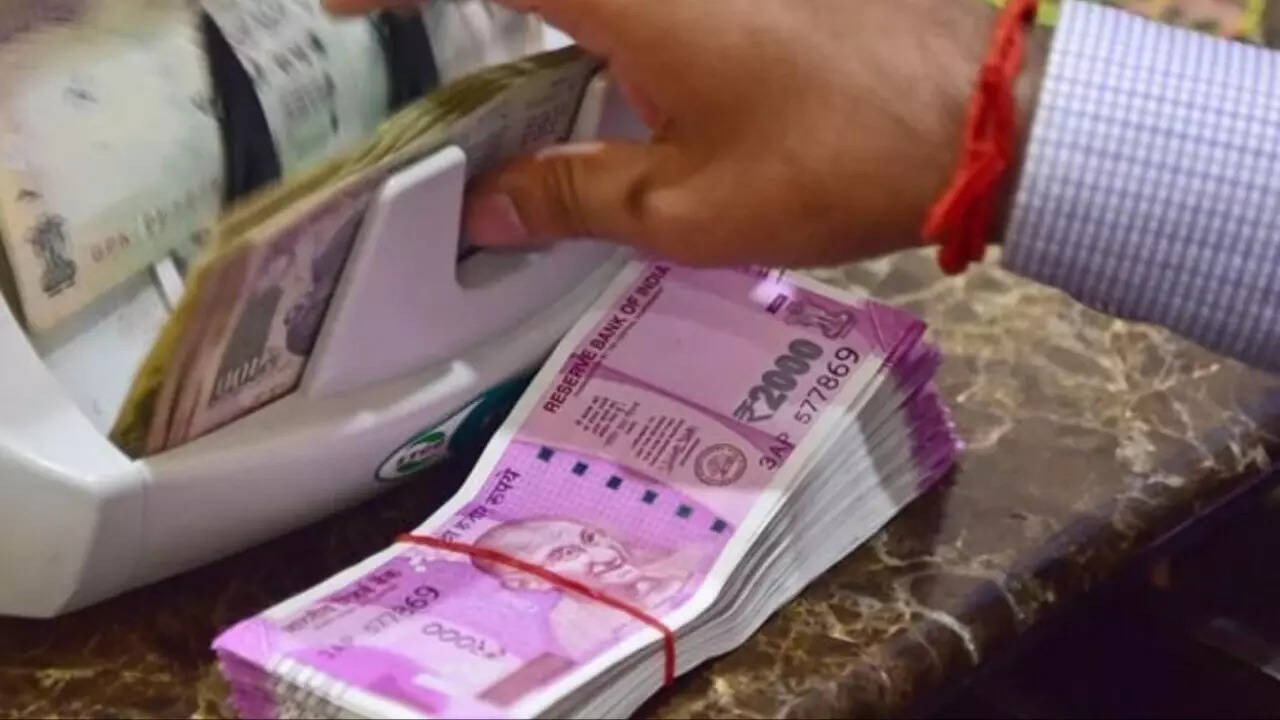
The Reserve Bank of India has permitted Indian banks and their overseas branches to offer rupee-denominated loans to individuals and banks in Bhutan, Nepal, and Sri Lanka. This move aims to simplify cross-border trade and payment systems. Additionally, the RBI has extended the repatriation period for unutilized foreign currency balances held by Indian exporters in IFSC accounts to three months.
Strengthening Ties: India Extends Rupee Credit Line to Neighbors
Imagine a world where trade flows seamlessly, unburdened by currency conversions and fluctuating exchange rates. It’s a vision India is actively pursuing, and recent moves by the Reserve Bank of India (RBI) signal a significant stride towards this goal, particularly in fostering stronger economic bonds with Bhutan, Nepal, and Sri Lanka. The RBI has authorized banks in India to extend rupee credit lines to these neighboring nations, offering a powerful tool for boosting regional commerce.
This isn’t just about facilitating easier transactions. It’s about weaving a tighter economic tapestry across South Asia. By allowing trade in rupees, India is reducing dependence on third-party currencies like the US dollar, simplifying the process for businesses and potentially lowering transaction costs.
What Does Rupee Credit Mean for Regional Trade?
This move unlocks several key benefits. For businesses in Bhutan, Nepal, and Sri Lanka, accessing rupee credit lines from Indian banks can provide a much-needed source of financing for importing goods and services from India. Think of small and medium-sized enterprises (SMEs) that previously struggled to secure financing in foreign currencies. Now, they have a viable alternative that could significantly expand their access to the Indian market.


Moreover, this initiative has the potential to reduce exchange rate risk. Trading in a common currency simplifies budgeting and reduces the uncertainty associated with currency fluctuations. This stability can encourage businesses to invest more and expand their operations, fostering sustainable economic growth in the region.
Think of a Sri Lankan tea importer buying machinery from India. With rupee credit, they can avoid the complexities of converting Sri Lankan rupees to US dollars and then to Indian rupees. This streamlined process translates to lower costs and increased efficiency.
A Forex Repatriation Extension: Further Incentivizing Trade
Complementing the introduction of rupee credit lines, the RBI has also extended the timeline for forex repatriation for exporters. This means businesses have more time to bring back their earnings from exports, providing them with greater flexibility in managing their finances.
This extension is particularly beneficial for smaller businesses that may face logistical or administrative challenges in repatriating funds quickly. It provides them with a buffer to navigate these hurdles and ensure they can effectively manage their cash flow.
Building a Stronger Economic Ecosystem
These initiatives are not isolated events. They are part of a broader strategy to strengthen economic cooperation between India and its neighbors. India recognizes that a prosperous neighborhood is essential for its own growth and stability. By promoting regional trade and investment, India is contributing to a more integrated and resilient South Asian economy.

Imagine the potential for increased collaboration in areas like infrastructure development, renewable energy, and technology. By facilitating trade and investment, these initiatives can unlock opportunities for innovation and shared prosperity.
Consider exploring India’s growing role in global supply chains for further insights into its economic influence.
The move towards rupee-denominated trade aligns with a broader trend of de-dollarization, where countries are seeking to reduce their reliance on the US dollar in international transactions. While the US dollar remains the dominant global currency, initiatives like this can contribute to a more diversified and multi-polar global financial system.
In conclusion, the RBI’s decision to extend rupee credit lines to Bhutan, Nepal, and Sri Lanka, coupled with the forex repatriation extension, represents a significant step forward in fostering stronger economic ties within South Asia. This strategic move is poised to unlock opportunities for businesses, reduce transaction costs, and promote sustainable growth, ultimately contributing to a more integrated and prosperous region. This represents not just financial accommodation, but a genuine investment in a shared future.