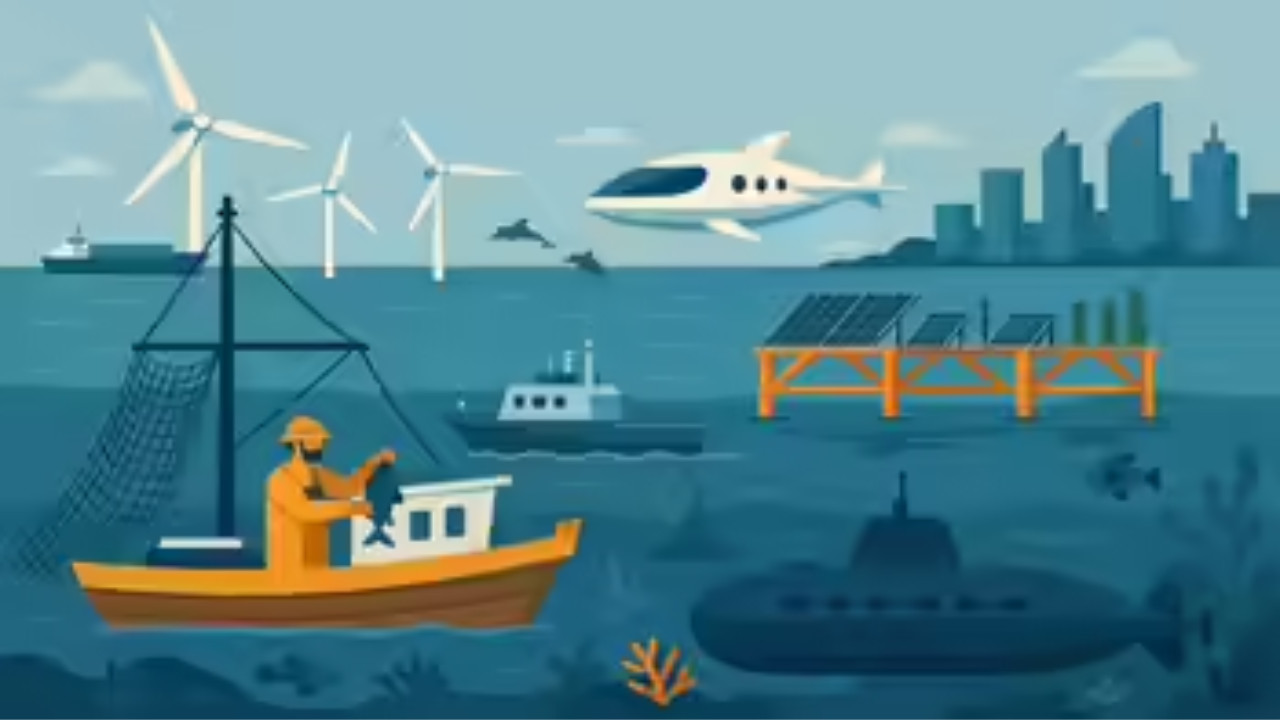
Niti Aayog urges a swift upgrade and expansion of India’s fishing fleet, coupled with improved market access, to bolster the nation’s blue economy. The think-tank also advocates for enhanced monitoring and capacity building in fisheries, emphasizing sustainable practices and addressing infrastructure needs to unlock the vast potential of India’s maritime resources and boost exports.
Riding the Blue Wave: Modernizing India’s Fishing Fleet for Economic Growth
India’s vast coastline stretches over 7,500 kilometers, a resource brimming with potential. For years, it’s been a source of sustenance and livelihood for millions, but recent conversations are centering on how we can better harness this resource. The NITI Aayog, the government’s premier policy think tank, has issued a clear call to action: it’s time to seriously modernize and expand India’s fishing fleet to unlock the full potential of the blue economy. But what does this really mean, and why now?
The current state of India’s fishing industry is a mixed bag. On one hand, it’s a significant contributor to the nation’s GDP and a crucial source of employment, particularly in coastal communities. On the other hand, much of the fleet is outdated, hindering efficiency and limiting the reach of Indian fishermen. This translates to missed opportunities and an inability to fully capitalize on the wealth beneath the waves.
Why a Modern Fishing Fleet Matters for India
The NITI Aayog’s push isn’t just about bigger boats and fancier equipment. It’s about strategically bolstering India’s economic prospects by embracing the concept of a blue economy. This encompasses the sustainable use of ocean resources for economic growth, improved livelihoods, and jobs, all while preserving the health of ocean ecosystems.
A modern fishing fleet directly contributes to this vision by:

* Increasing Efficiency: Newer vessels are equipped with advanced technologies like sonar and GPS, allowing fishermen to locate schools of fish more effectively, reducing fuel consumption and maximizing their catch.
* Expanding Reach: Larger and more seaworthy boats can venture further out to sea, accessing untapped fishing grounds and diversifying the species harvested.
* Improving Safety: Modern vessels are built with enhanced safety features, protecting fishermen from the inherent dangers of their profession and mitigating loss of life at sea.
* Enhancing Sustainability: Modern equipment can support more sustainable fishing practices, reducing bycatch and minimizing the impact on marine ecosystems.
* Boosting Exports: A more productive and efficient fishing industry translates to higher quality catches and greater export potential, generating valuable foreign exchange.
Overcoming the Hurdles to Modernization
Transforming India’s fishing fleet is no small feat. It requires a multi-pronged approach that addresses several key challenges. One major hurdle is access to financing. Upgrading to modern vessels can be a significant investment, and many fishermen lack the capital or access to affordable loans to make the transition. Government subsidies, low-interest loans, and innovative financing models are crucial to bridge this gap.
Another critical area is infrastructure development. Modern fishing harbors with adequate cold storage facilities, processing plants, and transportation networks are essential to handle the increased catches and ensure the quality of seafood reaches consumers. Investment in these facilities is paramount to maximize the value of the catch and reduce post-harvest losses.

Beyond Boats: The Importance of Market Access
Expanding and modernizing the fishing fleet is only half the battle. It is just as important to ensure that Indian fishermen have access to wider markets, both domestic and international. This requires streamlining regulations, reducing bureaucratic hurdles, and investing in marketing and branding initiatives to promote Indian seafood. For example, connecting rural fishermen with online markets could significantly improve their access to consumers. (See our guide to [Digital Transformation in Rural Economies](internal-link)).

Furthermore, addressing trade barriers and negotiating favorable trade agreements with key importing countries can unlock new opportunities for Indian seafood exports, driving economic growth and creating jobs.
The path forward demands a concerted effort from the government, industry stakeholders, and the fishing communities themselves. By investing in modernization, improving infrastructure, and ensuring market access, India can unlock the vast potential of its blue economy, creating a more prosperous and sustainable future for all. The time to embrace this opportunity is now. India’s coastal communities and the nation’s economic future depend on it.