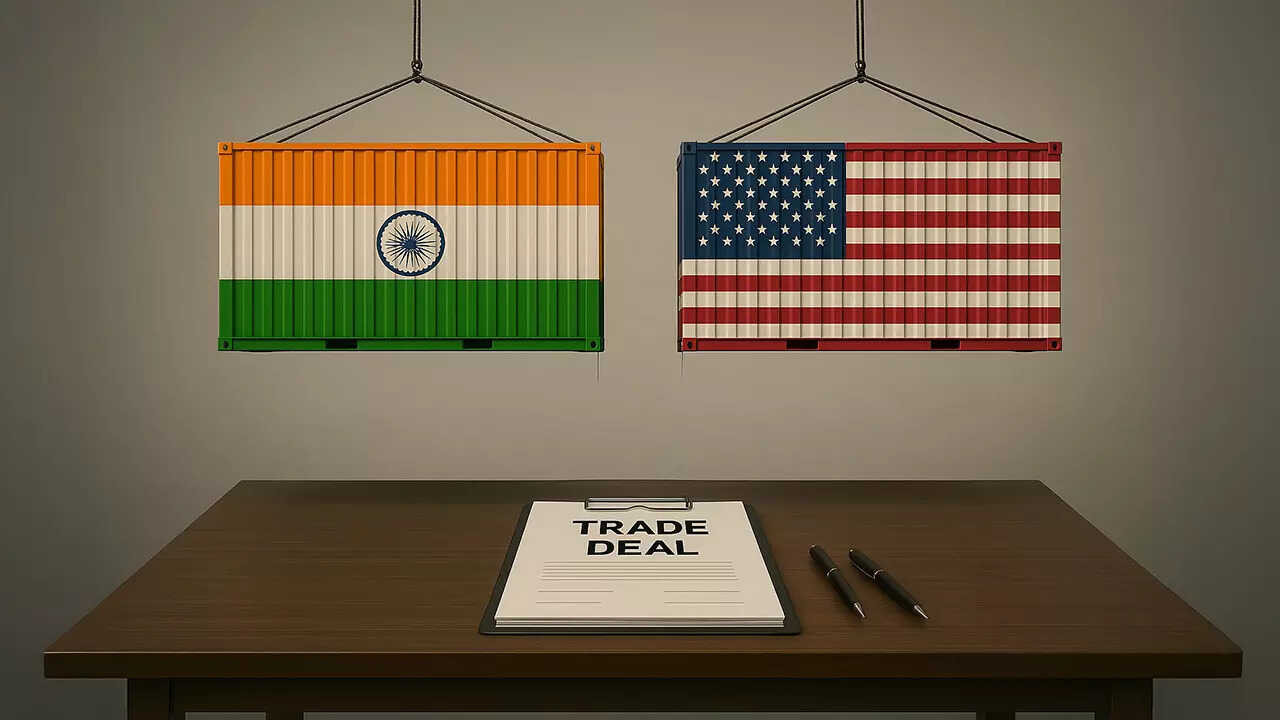
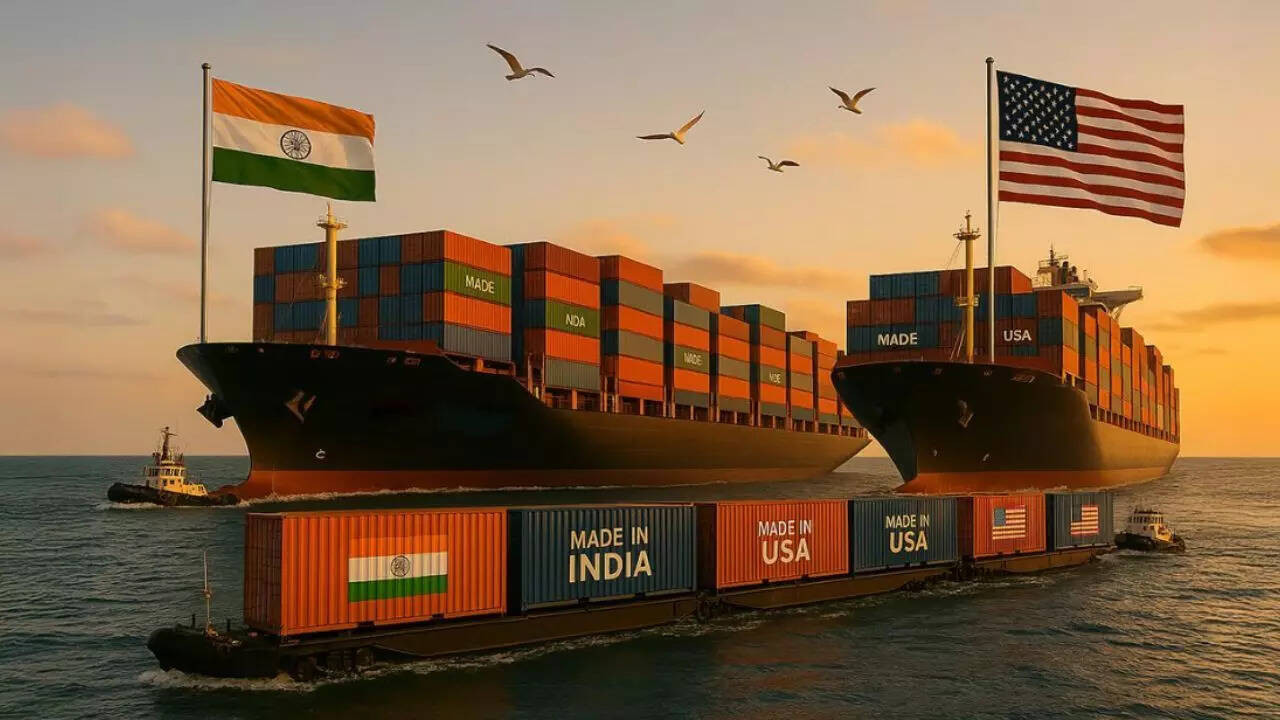
India is rapidly becoming a global leader in services exports. Its services sector is growing faster than goods exports. This growth is driven by key reforms and social initiatives. India is set to become the world’s third-largest economy by 2027. The nation is transforming into a services powerhouse.
India’s Ascent: Beyond the Taj Mahal, a New Economic Powerhouse
For generations, India has captivated the world with its rich history, vibrant culture, and stunning landscapes. But beneath the surface of ancient traditions, a modern economic revolution is brewing. Forget the snake charmers and elephant rides (though those are still pretty cool); the real story now is India’s emergence as a global services hub and its ambitious climb towards becoming the world’s third-largest economy by 2027. This isn’t just wishful thinking; the momentum is palpable.
From Back Office to Boardroom: The Rise of Services Exports
Remember when India was primarily known as the back office of the world, handling outsourced customer service and data entry? While that foundation remains strong, the nation has dramatically upskilled and diversified. Today, India is a powerhouse of software development, engineering design, research and development, and a rapidly expanding array of tech-driven services. Think cutting-edge AI solutions, advanced data analytics, and innovative fintech applications – all fueled by a young, dynamic, and increasingly well-educated workforce. The country is no longer just executing tasks; it’s driving innovation.

This transformation is reflected in the impressive growth of India’s services exports. These exports aren’t just benefiting multinational corporations; they’re fostering the growth of domestic businesses, creating high-paying jobs, and attracting significant foreign investment. The “Make in India” initiative, coupled with favorable government policies, is further incentivizing manufacturing and technology development within the country. This holistic approach, emphasizing both services and manufacturing, is what sets India apart and positions it for sustained economic growth.

The Demographic Dividend: A Nation of Young Innovators
India possesses a powerful advantage that many developed nations lack: a massive, young, and tech-savvy population. This “demographic dividend” represents a vast pool of potential talent, ready to contribute to the nation’s economic growth. The government is investing heavily in education and skill development to harness this potential fully, focusing on areas like digital literacy, coding, and advanced engineering. This isn’t just about creating jobs; it’s about fostering a culture of innovation and entrepreneurship, empowering young Indians to create their own opportunities and drive economic progress.
Infrastructure: Building the Foundation for Growth
India understands that robust infrastructure is essential for sustained economic development. Massive investments are being made in upgrading the country’s transportation networks, including roads, railways, and airports. Digital infrastructure is also receiving significant attention, with the expansion of high-speed internet access and the development of data centers across the country. These improvements are not only facilitating trade and commerce but also improving the quality of life for millions of Indians.
The Road Ahead: Challenges and Opportunities
While the future looks bright, India faces challenges that must be addressed to maintain its current trajectory. These include reducing income inequality, improving healthcare access, and tackling environmental issues. Furthermore, streamlining regulations and promoting greater transparency are essential to attract more foreign investment and foster a more competitive business environment. See our article on [India’s booming tech industry](internal-link-to-related-article).

However, the opportunities far outweigh the challenges. India’s strategic location, its large domestic market, and its increasingly skilled workforce make it an attractive destination for businesses looking to expand their global footprint. The country’s commitment to innovation and technology, coupled with its strong entrepreneurial spirit, positions it to be a major player in the global economy for decades to come.
Conclusion: A New Chapter in Global Economics
India’s journey towards becoming the world’s third-largest economy is more than just a statistic; it represents a fundamental shift in the global economic order. Driven by a dynamic services sector, a young and ambitious population, and strategic investments in infrastructure, India is poised to redefine its role on the world stage. The story of India’s economic transformation is a testament to the power of innovation, the importance of human capital, and the enduring spirit of a nation on the rise. The world should be watching closely.