India is prioritizing self-reliance, or ‘Atmanirbharta,’ over mere cost efficiency to build resilient supply chains. The nation is reviewing all sectors to boost domestic capacity, even if it means higher initial costs. This strategic shift, exemplified by rapid vaccine development, aims to create jobs and strengthen manufacturing, while also fostering trust and reliability with global partners.
Charting a New Course: India’s Embrace of Self-Reliance in a Shifting Global Landscape
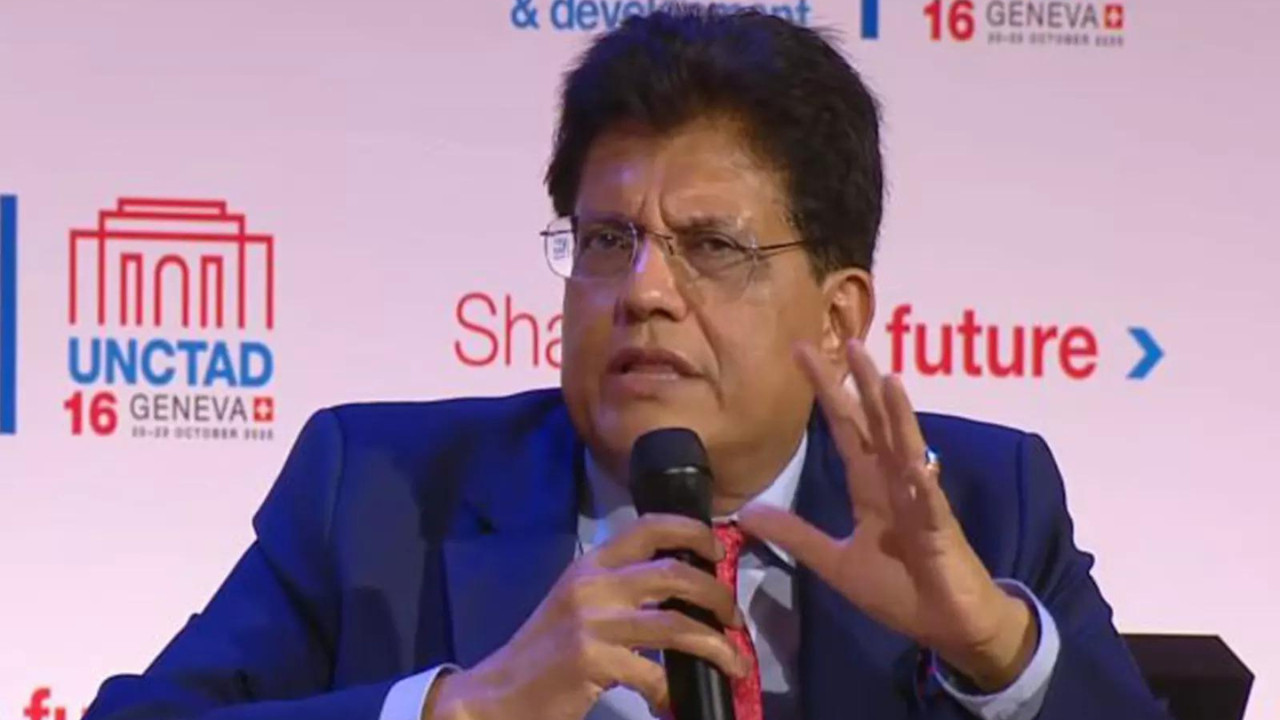
The world is changing, and India is not just watching from the sidelines. It’s actively reshaping its economic strategy, prioritizing resilience and self-reliance in a world increasingly aware of the fragilities of global supply chains. At a recent UNCTAD roundtable, Commerce and Industry Minister Piyush Goyal articulated India’s commitment to Atmanirbharta, a vision of self-sufficiency that resonates deeply within the nation. But what does this mean in practice, and how will it impact India’s role in global commerce?
Why Atmanirbharta Matters More Than Ever
The COVID-19 pandemic exposed critical vulnerabilities in global supply chains, disrupting industries and impacting economies worldwide. This stark reminder underscored the importance of diversified and resilient domestic production. Atmanirbharta isn’t about isolating India; it’s about strengthening its internal capabilities and reducing dependence on single sources for critical goods. It’s about ensuring that India can weather future storms with greater stability and control. The ongoing geopolitical tensions and trade disputes further amplify the need for a more secure and independent economic foundation.

Willing to Pay a Premium for Resilience

Goyal’s statement that India is “willing to pay an extra buck” for resilient supply chains signals a significant shift in perspective. It’s an acknowledgement that the cheapest option isn’t always the best, especially when it comes at the expense of security and reliability. This proactive approach suggests a willingness to invest in domestic manufacturing, research and development, and infrastructure to build a robust and diversified industrial base. By prioritizing quality and security over solely cost, India aims to create a sustainable economic model that benefits both domestic producers and consumers.
Beyond Protectionism: Fostering Global Partnerships
While Atmanirbharta emphasizes self-reliance, it doesn’t advocate for isolationism. Goyal stressed India’s commitment to fair trade practices and collaboration with other nations. The goal is to create a level playing field where Indian industries can compete globally, not to erect barriers that hinder international commerce. India recognizes the importance of global partnerships for accessing technology, expertise, and markets. The nation actively seeks to engage in mutually beneficial trade agreements and collaborations that support its growth and development while contributing to the global economy. To this end, India is actively working to negotiate trade deals with key partners, looking to bolster its economic integration within the global network.
Investing in Manufacturing and Infrastructure
A cornerstone of Atmanirbharta is investment in India’s manufacturing sector. The Production-Linked Incentive (PLI) scheme is a prime example of this commitment. The PLI scheme provides financial incentives to companies that invest in domestic manufacturing across various sectors, from electronics and pharmaceuticals to automobiles and textiles. This initiative aims to attract both domestic and foreign investment, boost production, create jobs, and enhance India’s manufacturing capabilities. These initiatives, coupled with significant investments in infrastructure development, are laying the foundation for a more competitive and self-reliant economy.
For example, India’s robust digital infrastructure also plays a key role in supporting small and medium enterprises (SMEs), empowering them to participate in global markets. See our article on [the rise of Indian SMEs](link-to-related-article).

The Road Ahead: Challenges and Opportunities
The journey towards Atmanirbharta is not without its challenges. India needs to address issues such as bureaucratic hurdles, infrastructure gaps, and skill shortages to fully realize its potential. However, the opportunities are immense. By fostering innovation, promoting entrepreneurship, and creating a conducive business environment, India can unlock its economic potential and become a global manufacturing hub. The focus on sustainability and green technologies also presents a unique opportunity for India to lead the way in creating a more environmentally responsible and resilient economy.
India’s strategic embrace of Atmanirbharta reflects a broader global trend towards prioritizing resilience and security in the face of increasing uncertainty. By focusing on strengthening its domestic capabilities, fostering innovation, and promoting sustainable development, India is not only securing its own future but also contributing to a more stable and equitable global economic order. This proactive approach positions India as a key player in shaping the future of international commerce.