US President claims India will significantly reduce its Russian oil purchases by year-end, stating it’s a gradual process. He also discussed China’s relationship with Russia, suggesting it was forced by the previous administration and expressing hope for dialogue on ending the war in Ukraine.
Will India Cut Russian Oil Imports? The Energy Market’s Big Question
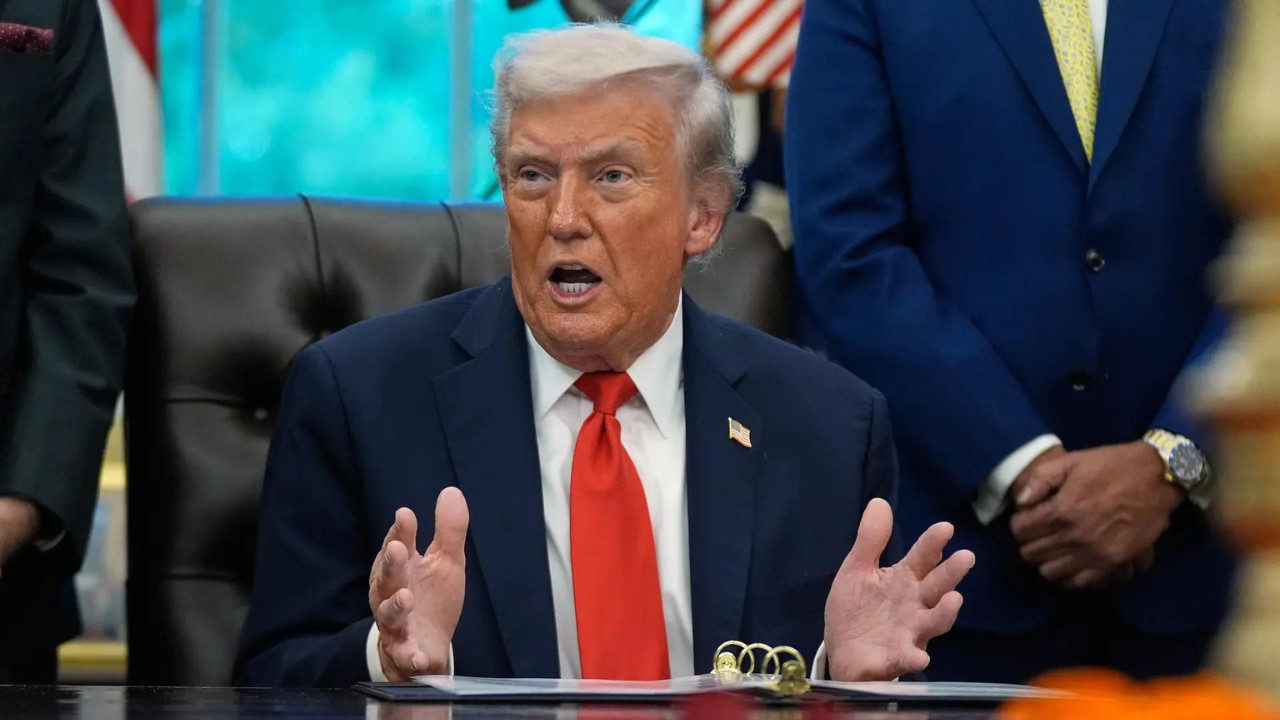
The global energy market is a complex dance, a constant push and pull influenced by geopolitics, economics, and the ever-shifting sands of international relations. One of the most intriguing steps in this dance is India’s continued purchase of Russian oil, a move that has drawn attention and scrutiny worldwide. But could this waltz be coming to an end? Former US President Donald Trump recently suggested that India would cease importing Russian oil by the end of the year, throwing another log onto the already blazing fire of speculation.
Trump’s claim, made during an interview, adds another layer to the ongoing narrative surrounding global oil supplies and the effectiveness of sanctions imposed on Russia following the conflict in Ukraine. While the US and several European nations have significantly reduced their reliance on Russian energy, India’s imports have surged, providing a crucial lifeline to the Russian economy.
But is a complete halt truly on the horizon? The situation is far more nuanced than a simple yes or no.
The Economic Realities of India’s Oil Imports
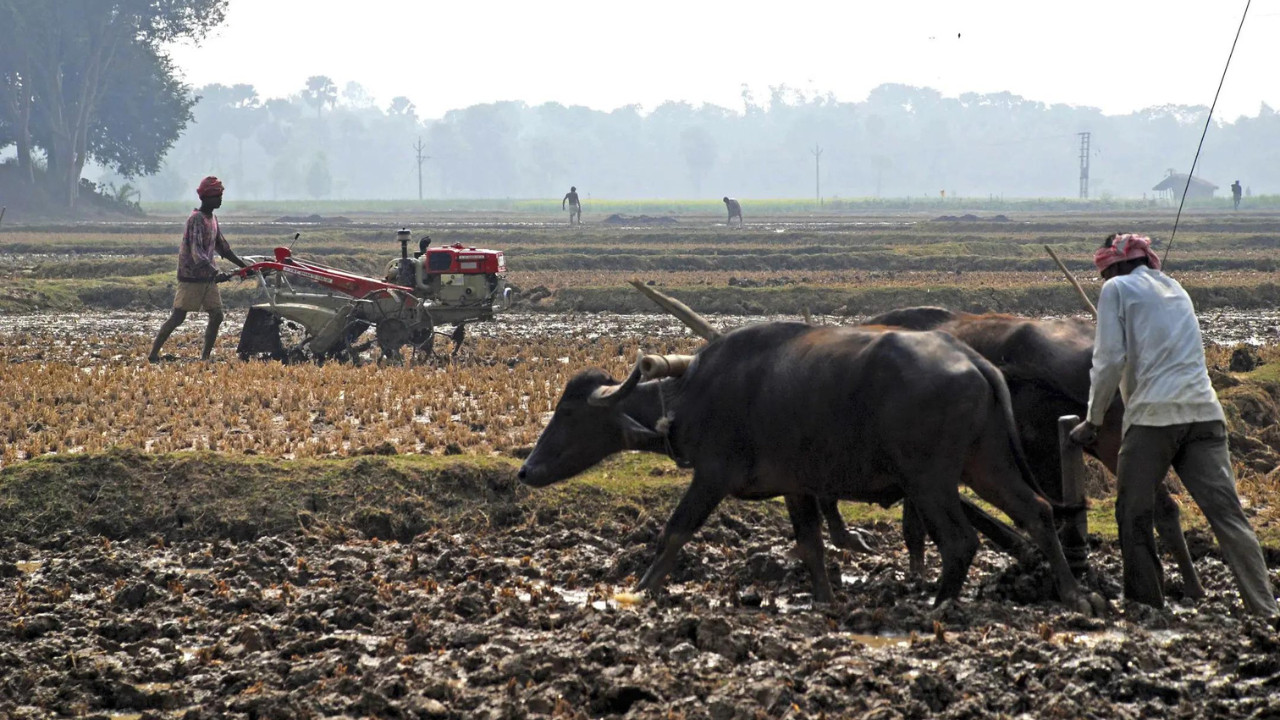
India, one of the world’s fastest-growing economies, is heavily reliant on imported oil to fuel its progress. Finding affordable energy sources is paramount to sustaining its economic trajectory and meeting the needs of its vast population. Before the conflict in Ukraine, India sourced a relatively small portion of its oil from Russia. However, as Western nations shunned Russian crude, Moscow began offering substantial discounts, making it an undeniably attractive option for price-sensitive buyers like India.

This shift has allowed India to diversify its supply base and secure energy at competitive rates. Reducing reliance on traditional suppliers has strengthened India’s strategic autonomy. However, this reliance has also placed India in a complex position, balancing its economic interests with international pressure to isolate Russia.

Geopolitical Considerations and Diplomatic Balancing Acts
Beyond the economic factors, geopolitical considerations play a vital role in shaping India’s energy policy. India maintains a long-standing relationship with Russia, particularly in the realm of defense. This historical tie influences various aspects of their cooperation, including energy.
Furthermore, India has consistently advocated for a multi-polar world and has been cautious about aligning too closely with any single power bloc. This independent foreign policy approach allows India to pursue its national interests while engaging with various actors on the global stage. Cutting off Russian oil completely would undoubtedly have geopolitical ramifications, potentially straining relations with a key partner.
Is a Complete Halt Realistic? The Road Ahead
While Trump’s assertion has sparked debate, whether India will completely cease importing Russian oil by the end of the year remains uncertain. Several factors could influence the trajectory of India’s energy policy.

First, the evolving geopolitical landscape could play a significant role. Changes in the conflict in Ukraine, shifts in international alliances, and the introduction of new sanctions could all impact India’s decision-making.
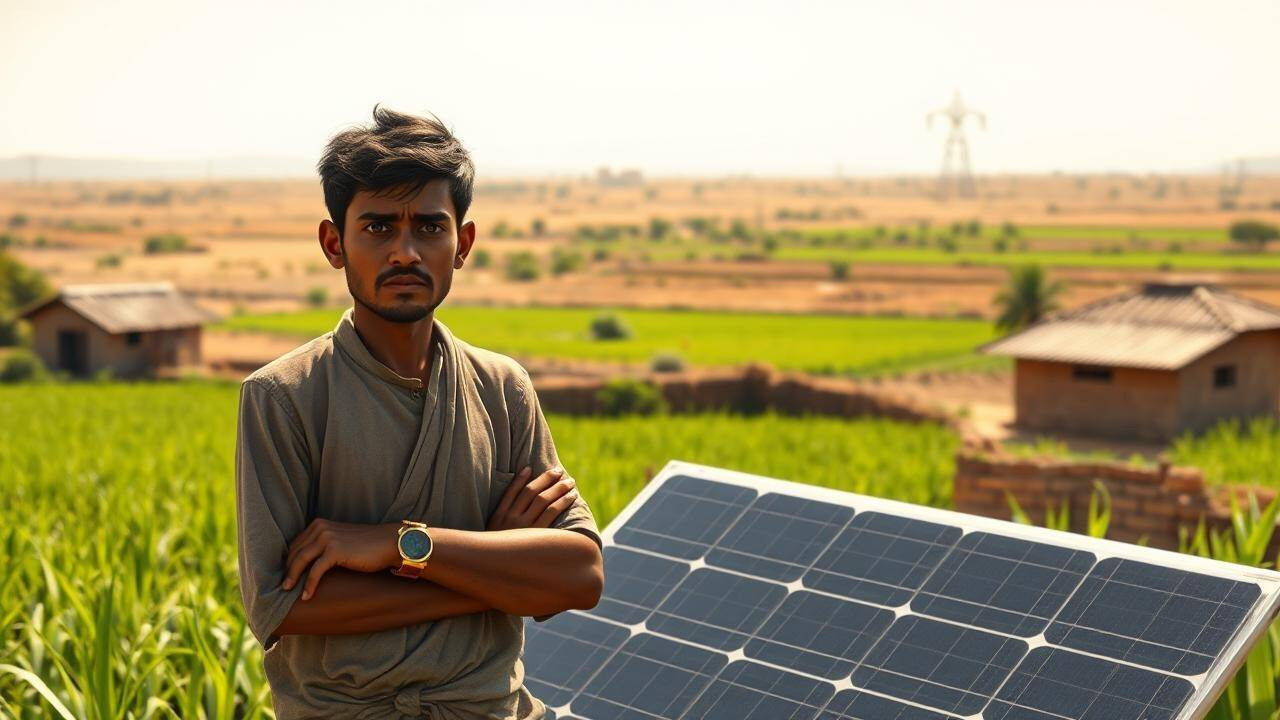
Second, the availability and pricing of alternative energy sources will be crucial. If other oil-producing nations offer competitive terms, India might be more inclined to diversify away from Russian crude. The development of renewable energy sources within India itself could also lessen its reliance on imported oil in the long run. See how India is investing in solar power, for example.
Finally, domestic political considerations could come into play. Public opinion, pressure from opposition parties, and the government’s own economic priorities could all influence India’s stance on Russian oil.
The Evolving Energy Landscape: A Watchful Eye
Ultimately, the question of whether India will cease importing Russian oil by the end of the year is complex and dependent on a confluence of economic, geopolitical, and domestic factors. The situation is fluid and demands a nuanced understanding of the various forces at play. While Trump’s pronouncement has certainly added fuel to the fire, only time will reveal the true course of events. What’s certain is that the world will be watching closely as India navigates this intricate energy landscape.