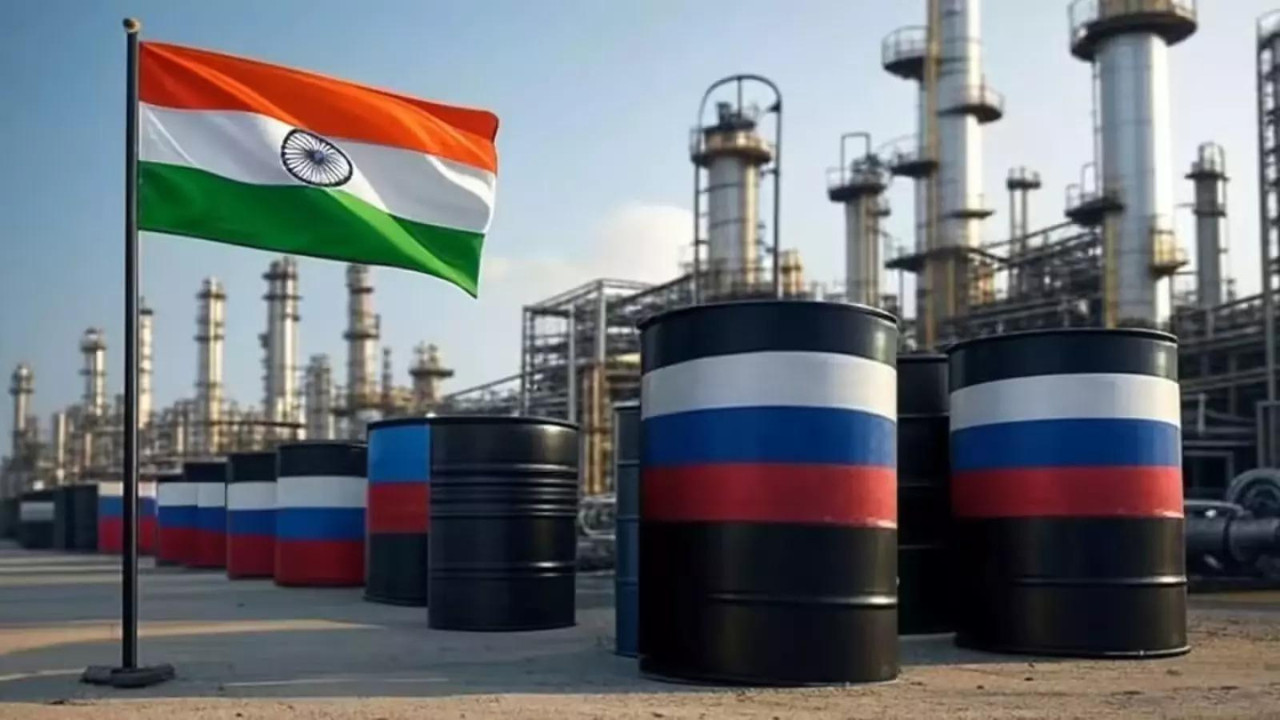
India’s state-run refiners will likely continue buying Russian crude via traders, sidestepping new US sanctions on Rosneft and Lukoil. These public sector units procure oil through independent European and Asian intermediaries, not directly from sanctioned entities. However, private giants like Reliance Industries, with direct contracts, may face sourcing challenges.
Navigating the Murky Waters: Will US Sanctions Rock India’s Russian Oil Imports?
The geopolitical landscape just got a little more turbulent. Former President Trump’s administration has slapped sanctions on several Russian shipping companies accused of violating the G7’s price cap on crude oil. The question on everyone’s mind, especially in Delhi, is: will this disrupt India’s steady flow of discounted Russian crude?
India, a major energy consumer, has become a significant importer of Russian oil since the war in Ukraine began, capitalizing on the lower prices offered as Western nations turned away. But with these fresh sanctions targeting entities allegedly involved in circumventing price controls, are we about to see a shift in the Indian oil market?
Decoding the Sanctions: What’s Really Going On?
The sanctions are aimed at companies accused of using deceptive practices to transport Russian oil above the G7’s imposed price ceiling of $60 per barrel. The U.S. Treasury Department alleges these companies have been falsifying paperwork and employing other shady tactics to keep the oil flowing and revenue streams active for Russia.
While the sanctions themselves are not directly aimed at India, they introduce a layer of complexity for Indian refiners. After all, no one wants to get caught in the crossfire of international sanctions. The big question is, will Indian companies be able to navigate these sanctions and maintain their current levels of Russian oil imports?

India’s Reliance on Russian Oil: A Balancing Act
India’s relationship with Russian oil is a complex one. On one hand, the country needs affordable energy to fuel its booming economy and meet the needs of its growing population. Russian crude, offered at a discount, has been instrumental in achieving that. On the other hand, India is mindful of its relationships with Western nations and the potential repercussions of being perceived as actively undermining international sanctions.
The government has consistently maintained that its focus is on securing energy security for its citizens and that its oil purchases are purely driven by economic considerations. However, the rising volume of oil imports from Russia has undoubtedly raised eyebrows in some quarters.
Limited Impact, but Vigilance is Key
While the immediate impact of these sanctions on India’s oil imports may be limited, it’s far too early to become complacent. Indian refiners will undoubtedly become more cautious, conducting thorough due diligence on the shipping companies they use to transport Russian crude. Any association with sanctioned entities could expose them to significant financial and reputational risks.

It’s worth noting that India has already started diversifying its energy sources, exploring opportunities in other regions and investing in renewable energy. See our recent article on India’s growing solar energy capacity for more on this topic. This diversification strategy could prove crucial in mitigating the impact of any future disruptions to Russian oil supplies.

The Road Ahead: Navigating Uncertainty
The situation remains fluid. The effectiveness of the sanctions in curbing Russia’s oil revenues will depend on the extent of enforcement and the willingness of other nations to cooperate. Indian refiners will need to stay informed, adapt to changing circumstances, and prioritize compliance to avoid falling foul of international regulations.
While the current outlook suggests that India’s Russian oil imports will likely continue, perhaps at a slightly reduced pace, the long-term implications remain uncertain. The global energy market is a volatile landscape, and geopolitical events can swiftly alter the dynamics. For India, careful navigation and strategic diversification will be key to ensuring its energy security in the years to come.