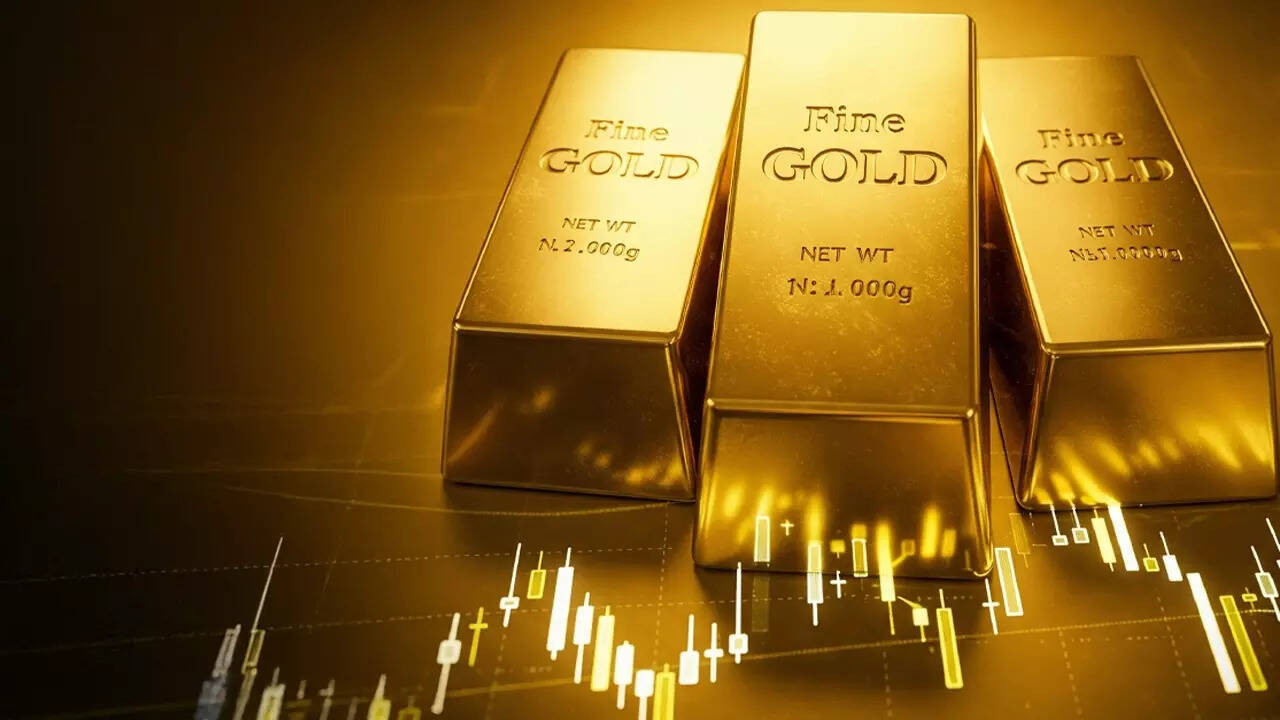
Gold prices have seen a significant 3% drop, ending a nine-week rally. This correction is attributed to profit-booking, a stronger dollar, and increased confidence in a US-China trade deal. While short-term pressure exists, experts foresee a positive long-term outlook driven by global monetary shifts and central bank buying.
Gold’s Glitter Dimming? Decoding the Recent Price Dip
For months, gold felt like a sure bet, a shimmering haven in a turbulent world. But lately, the Midas touch seems a little less potent. The golden bull run has paused, leaving investors wondering: what’s behind this price slide, and should we be worried? Let’s unpack the forces at play.
One major headwind is the robust performance of the US dollar. The dollar and gold often dance an inverse tango; when one strengthens, the other tends to weaken. Recently, positive economic data coming out of the US has boosted confidence in the dollar, making it a more attractive investment. This naturally pulls capital away from gold, exerting downward pressure on its price. Think of it as a seesaw: dollar up, gold down.
And then there’s the interest rate narrative. The Federal Reserve’s stance on interest rates wields significant influence over gold prices. Higher interest rates typically make bonds and other interest-bearing assets more appealing, lessening the relative attractiveness of gold, which doesn’t offer a yield. Whispers, and sometimes shouts, about potential interest rate hikes have further dampened enthusiasm for gold. The logic is simple: why park your money in a non-yielding asset when you can earn a decent return elsewhere?

Beyond these macroeconomic factors, shifts in investor sentiment also play a crucial role. Risk appetite, that intangible feeling of confidence in the market, is a powerful driver. When investors feel optimistic about the economy and stock market, they’re more likely to allocate capital to riskier assets like equities, leaving less room for safe havens like gold. Conversely, periods of uncertainty and fear tend to send investors scurrying back to gold’s perceived security.

China, a major consumer of gold, also influences the market. Changes in Chinese demand, driven by economic growth or shifts in consumer preferences, can have a ripple effect on global gold prices. Any slowdown in the Chinese economy, or a decrease in demand from Chinese investors, could contribute to a price decline. The intricate relationship between China’s economic health and global commodities like gold is something market watchers carefully monitor.
Finally, the ebb and flow of geopolitical tensions, which traditionally have provided safe haven demand for gold, might not be as strong of a factor as it used to be. While geopolitical risks persist, their impact on gold prices can be unpredictable. Sometimes, geopolitical events trigger a flight to safety, boosting gold. Other times, the market’s reaction is muted, suggesting that other factors are outweighing the geopolitical concerns. The world feels like it’s full of uncertainty these days.
So, What Should Investors Do About Gold Prices?
Navigating these choppy waters requires a calm and considered approach. A sudden price dip shouldn’t necessarily trigger panic selling. Instead, it’s an opportunity to re-evaluate your portfolio and assess your risk tolerance.
For long-term investors, gold can still play a valuable role in diversifying a portfolio and hedging against inflation. The key is to maintain a balanced approach and avoid putting all your eggs in one basket. Consider factors like your investment timeline, risk tolerance, and overall financial goals when making decisions about gold.
If you’re already invested in gold, and your investment thesis hasn’t changed, holding steady might be the most prudent course of action. Trying to time the market perfectly is often a fool’s errand. Remember that gold prices, like all investments, are subject to fluctuations.

For those considering entering the market or increasing their gold holdings, a price dip could present a buying opportunity. However, it’s crucial to do your homework and understand the risks involved. Consider diversifying your precious metals holdings and exploring different ways to invest in gold, such as gold ETFs or physical gold. Learn more about [diversifying your investment portfolio](/investment-strategies).
Looking Ahead
While the recent price decline may have taken some of the shine off gold, it’s important to remember that the factors influencing its price are constantly evolving. Monitoring the US dollar, interest rate policy, global economic conditions, and geopolitical developments will be crucial for understanding the future trajectory of gold. Even a dip in the gold prices does not spell gloom for long-term holders. Investors need to stay informed and make informed decisions based on their individual circumstances. Gold’s story is far from over; it’s just entering a new chapter.