Commerce Minister Piyush Goyal slammed Western nations’ double standards on Russian oil, questioning Germany and UK’s pursuit of sanctions exemptions. He asserted India’s independent trade policy, stating the nation won’t sign deals under pressure.
India’s Energy Choices: Navigating a Complex Global Landscape
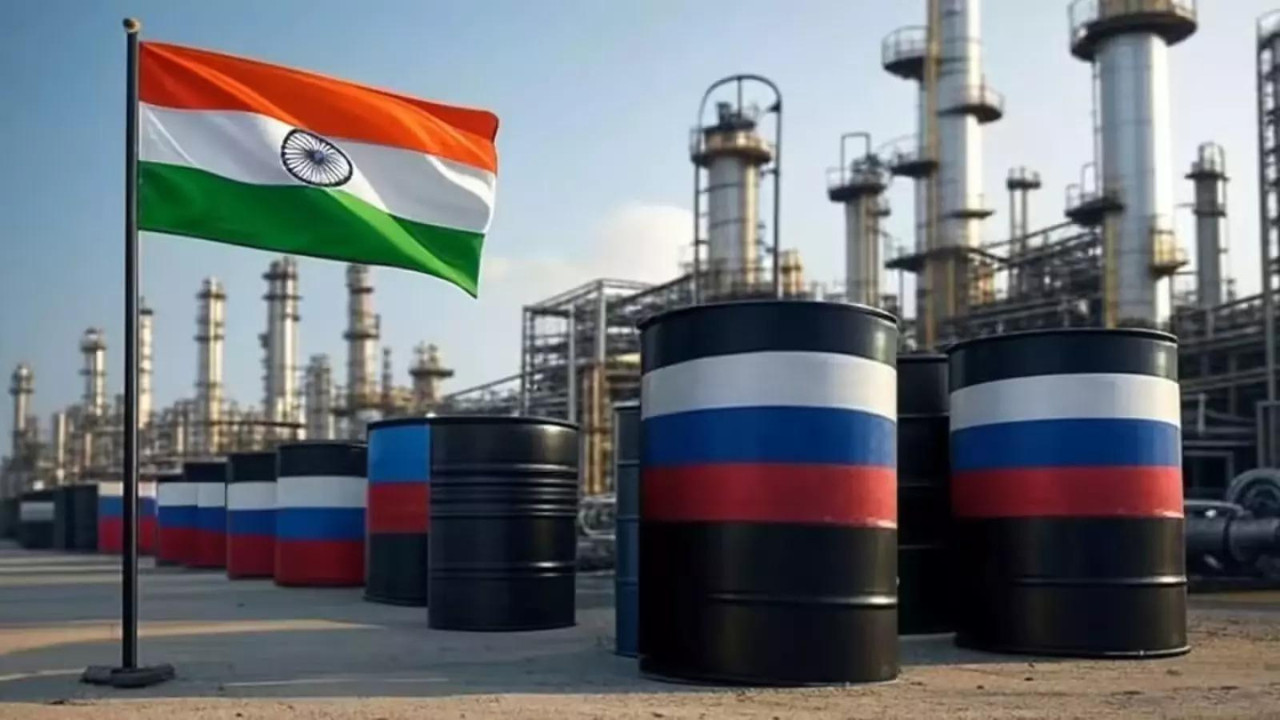
The global energy market has been anything but stable these last few years. Volatility reigns, and nations are scrambling to secure reliable and affordable energy sources for their citizens. India, one of the world’s fastest-growing economies, finds itself at the heart of this complex situation. Commerce and Industry Minister Piyush Goyal recently addressed concerns surrounding India’s continued purchase of Russian oil, pointing a finger at what he sees as hypocrisy in the West’s approach to sanctions.
Goyal’s recent statements highlight the delicate balancing act India is performing: meeting its energy needs while navigating international pressure. He didn’t mince words when questioning the “double standards” applied to India’s energy policy.
The Sanctions Landscape and India’s Position
The elephant in the room is, of course, the war in Ukraine and the subsequent sanctions imposed on Russia by the United States and its allies. These sanctions are designed to cripple Russia’s economy and limit its ability to finance the war. However, energy is a crucial commodity, and many countries, including those in Europe, remain dependent on Russian oil and gas.
Goyal specifically called out Germany and the UK, questioning why they were seemingly granted exemptions from US sanctions to continue importing Russian oil through alternative routes. He argued that if these nations could find ways to circumvent the sanctions, India shouldn’t be singled out for seeking affordable energy sources for its own population.


This isn’t about taking sides in the conflict, but rather about fulfilling a fundamental responsibility to its citizens. Access to affordable energy is crucial for economic growth and development. Disrupting this access could have devastating consequences for India’s economy and the well-being of its vast population. The minister emphasized that India is mindful of its international obligations and is committed to promoting peace and stability.
Decoding the Accusations of “Double Standards”
The accusation of double standards is a potent one, resonating with many developing nations who feel unfairly targeted by Western policies. While the US and its allies advocate for cutting ties with Russia, some European nations continue to import Russian energy, albeit through complex and often indirect channels.
Goyal suggests that India is simply being more transparent about its dealings with Russia. While some Western nations might be quietly seeking exemptions or finding alternative routes for Russian oil, India’s purchases are out in the open, making them an easier target for criticism. It’s a matter of optics, perhaps, but also a matter of fairness. Why should India face greater scrutiny than other nations engaging in similar practices?
India’s Pursuit of Energy Security
The situation underscores India’s broader strategy of pursuing energy security through diversification. India is investing heavily in renewable energy sources, aiming to become a global leader in solar and wind power. However, the transition to renewables is a long-term project. In the meantime, India needs to ensure a stable and affordable energy supply to fuel its economic growth. This may mean continuing to source oil from Russia, at least for the foreseeable future. Explore our deep dive on India’s renewable energy goals for more context.

This quest for energy security is not unique to India. Many countries are grappling with the same challenge: balancing the need for affordable energy with geopolitical considerations and environmental concerns. Finding a sustainable solution will require cooperation and understanding, not accusations and double standards.
Looking Ahead: A Call for Fair Play in the Global Energy Market
Goyal’s comments serve as a reminder that the global energy market is far from a level playing field. Powerful nations often wield their influence to secure their own interests, leaving smaller or developing countries at a disadvantage. As India continues to grow and assert its place on the world stage, it’s likely to continue challenging these perceived inequalities. The energy landscape is shifting, and how nations navigate these shifts will define the future of global geopolitics and the pursuit of sustainable development.