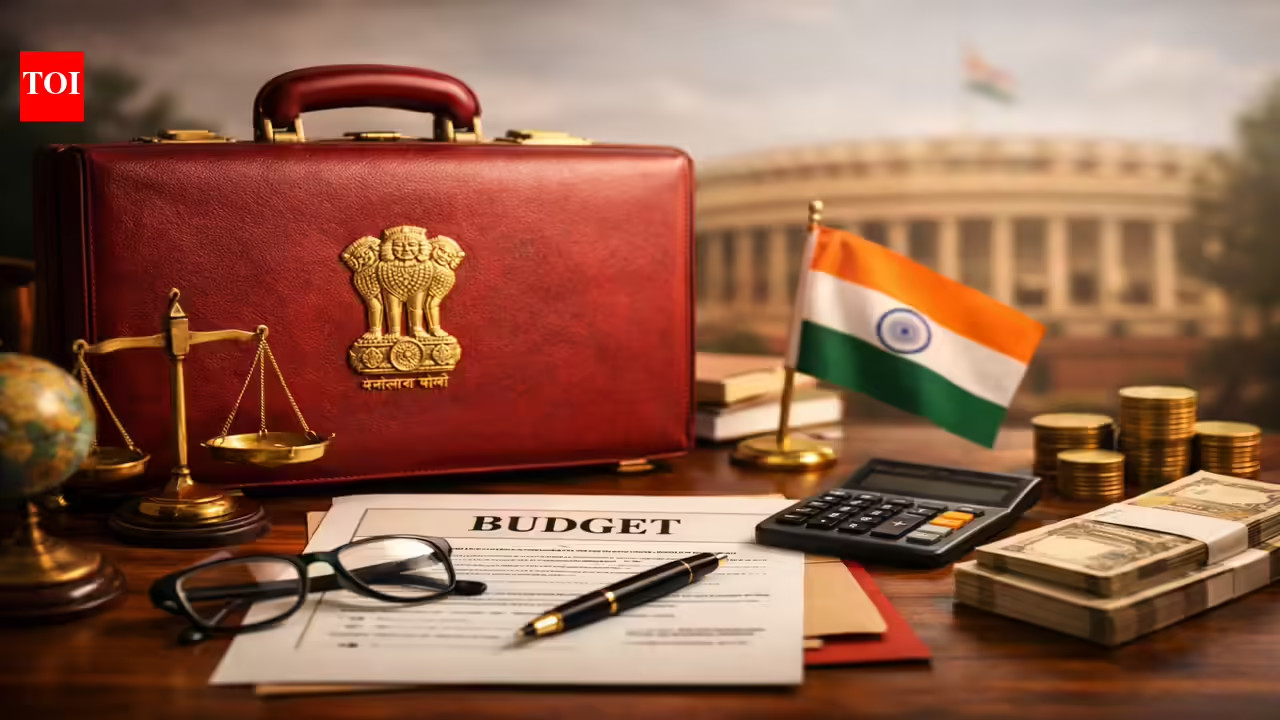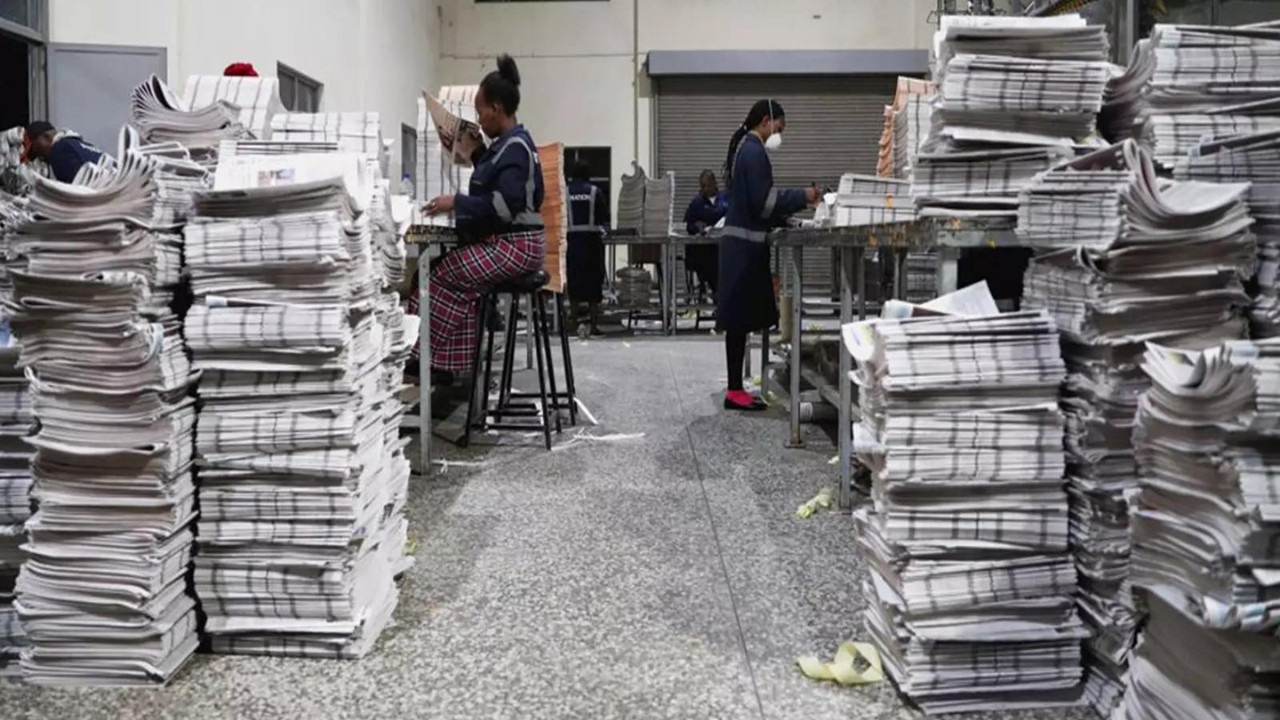
The government is implementing measures to safeguard conventional media from new platform disruptions. Advertisement rates for print media will rise by 26%, with reforms also targeting radio regulations, television rating distortions, and DTH sector optimization to ensure a level playing field for traditional outlets.
A New Chapter for Indian Media: More Than Just Rate Hikes
The winds of change are swirling through the Indian media landscape. Whispers of reform have been circulating for a while, but now it seems like the government is poised to make some significant moves, impacting everything from your morning newspaper to your evening TV news. And while the potential 26% increase in print advertisement rates is grabbing headlines, the bigger picture involves a much broader overhaul of the regulatory environment for radio, television, and direct-to-home (DTH) services. What does this mean for consumers, media houses, and the future of information in India?
What’s Driving These Media Reforms?
The current media landscape is a complex tapestry woven with threads of tradition, innovation, and, let’s be honest, a good dose of outdated regulations. The government’s push for media reforms seems to stem from a desire to modernize these regulations, level the playing field, and ensure a more sustainable future for the industry. It’s no secret that print media, in particular, has been facing increasing pressure from digital platforms. The proposed increase in print advertisement rates is a potential lifeline, offering much-needed financial relief. But, can a rate hike alone solve the deeper issues facing the industry?

The Ripple Effect of Increased Print Ad Rates
A 26% jump in print ad rates is nothing to scoff at. This could translate to higher revenues for newspapers and magazines, allowing them to invest in better journalism, improve distribution networks, and perhaps even experiment with new formats. However, it’s not all sunshine and roses. Advertisers, already juggling tight budgets, may reconsider their reliance on print, potentially shifting more of their spending to digital platforms. This could create a double-edged sword, offering short-term relief but potentially accelerating the long-term decline of print’s advertising market share. Smaller publications, in particular, might struggle to compete, potentially leading to consolidation within the industry.

Beyond Print: A Broader Vision for the Media Sector
While the focus is on print advertising, the government’s reform agenda extends far beyond newspapers. The government is actively working on changes impacting radio, television, and DTH services. Specific details are still emerging, but the goal is to create a more streamlined and transparent regulatory environment. This could involve simplifying licensing procedures, promoting technological innovation, and addressing issues related to content regulation. These changes could unlock new opportunities for growth and investment across the entire media sector. For instance, simplified licensing could encourage the launch of more community radio stations, giving voice to local communities and promoting diverse perspectives. A review of DTH regulations could lead to more affordable and accessible entertainment options for consumers, especially in rural areas. We’ve previously touched on the importance of accessibility in broadcasting in [our piece on digital inclusion](/digital-inclusion-matters).

Navigating the Challenges Ahead
Implementing these media reforms won’t be without its challenges. Balancing the interests of various stakeholders – media houses, advertisers, consumers, and the government itself – will require careful consideration and open dialogue. Concerns about media freedom and editorial independence must also be addressed. Regulations should promote a healthy and vibrant media ecosystem without stifling critical voices or hindering investigative journalism. The government will need to ensure that any changes are implemented in a fair and transparent manner, with adequate safeguards in place to prevent abuse.
A Media Landscape in Transition
The Indian media industry stands at a crucial juncture. The proposed media reforms represent a significant opportunity to modernize the sector, promote innovation, and ensure a more sustainable future for all players. The potential increase in print advertisement rates is just one piece of the puzzle. The broader changes impacting radio, television, and DTH services could have far-reaching consequences for the way information is disseminated and consumed in India. Only time will tell if these reforms will achieve their intended goals. But one thing is certain: the Indian media landscape is poised for a period of significant transformation, with opportunities and challenges for everyone involved.