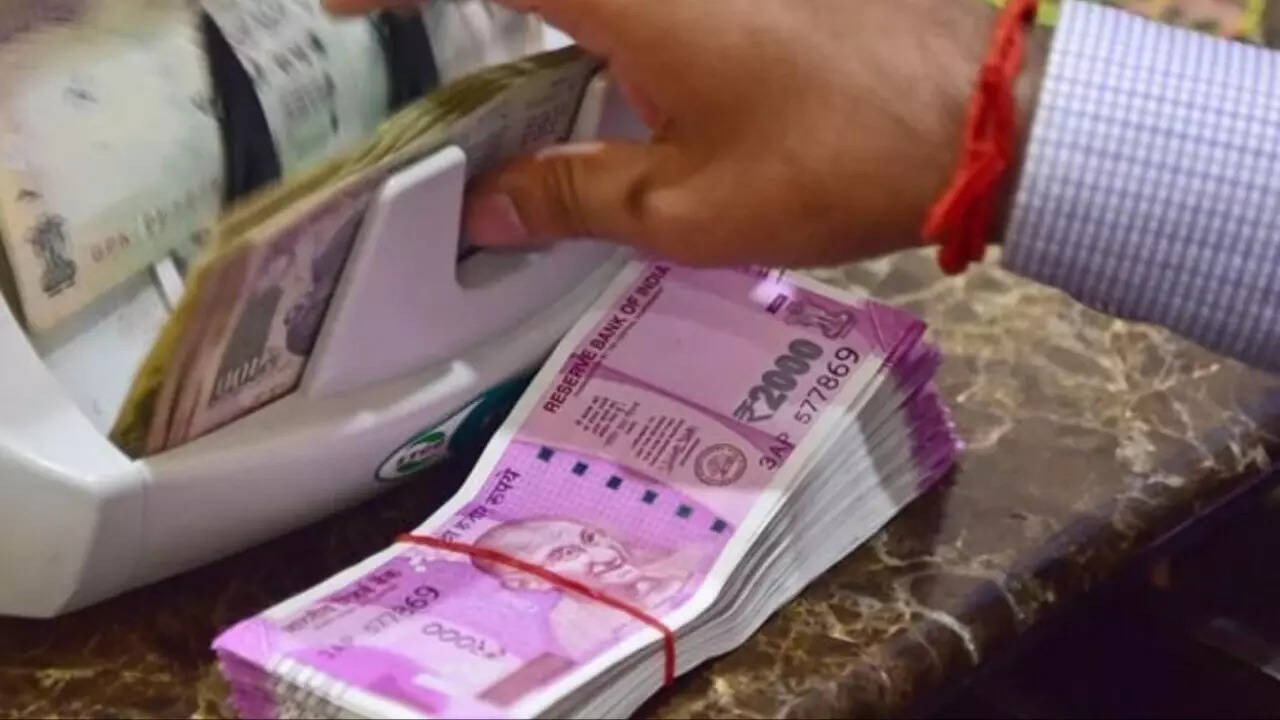
A businessman successfully proved cash gifts from his sisters were legitimate, avoiding tax evasion charges. The Income Tax Appellate Tribunal ruled in his favor, accepting documented property sale proceeds and bank records as proof of the donors’ financial capacity.
When Brotherly Love Meets the Taxman: How One Sibling Triumphed
We all know that family is everything, especially when life throws you curveballs. But what happens when that family support lands you in the crosshairs of the Income Tax Department? That’s exactly what happened to one man who received a generous gift from his sisters, sparking a tax investigation that ultimately led to a hard-fought victory.
This story highlights the importance of understanding India’s gift tax rules and how crucial proper documentation is. Let’s delve into the details of this intriguing case.
The Gift That Raised Eyebrows
The saga began when a man received ₹10 lakh from his sisters. A substantial sum, no doubt! While gifts between close relatives are generally exempt from income tax under Section 56(2)(x) of the Income Tax Act, the Income Tax Department flagged the transaction. They suspected foul play, perhaps seeing it as an undeclared income source masked as a gift. This suspicion triggered a notice to the recipient, demanding an explanation for the origin of the funds.
The Tax Notice and the Initial Response
Receiving a tax notice can be a nerve-wracking experience. The individual in question was understandably concerned. He promptly responded to the Income Tax Department, providing evidence that the ₹10 lakh was indeed a gift from his sisters. He submitted affidavits from his sisters, confirming the gift and its purpose. He also included details about their sources of income, demonstrating their ability to make such a gift.

However, the Income Tax Officer (ITO) wasn’t convinced. The ITO dismissed the evidence, stating that the sisters’ income was insufficient to justify such a large gift. This rejection led to an appeal before the Commissioner of Income Tax (Appeals) – CIT(A).
Appealing to the CIT(A)
Undeterred, the man decided to appeal the ITO’s decision. This is where things get interesting. During the appeal process, he presented a more comprehensive case, further substantiating the genuineness of the gift. This included providing bank statements of his sisters, showcasing sufficient funds to make the gift without undue financial strain.
The CIT(A) meticulously reviewed the evidence. Critically, the appellate authority considered the overall context and the familial relationship. The CIT(A) acknowledged that gifts between siblings are a common practice in India, especially when one sibling might be facing financial difficulties or needs assistance. After careful consideration, the CIT(A) ruled in favor of the appellant, accepting that the ₹10 lakh was indeed a legitimate gift from his sisters and therefore not taxable.

Key Takeaways: Navigating Gift Tax in India
This case offers several valuable lessons for anyone receiving or giving gifts, particularly substantial ones:

* Document Everything: Keep meticulous records of all gift transactions. This includes the date of the gift, the amount, the relationship between the giver and receiver, and the purpose of the gift.
* Affidavits are Powerful: Affidavits from the giver confirming the gift and its voluntary nature can be crucial evidence.
* Trace the Funds: Be prepared to demonstrate the source of the gift funds. Bank statements and income tax returns of the giver can be essential.
* Understand the Law: Familiarize yourself with Section 56(2)(x) of the Income Tax Act, which outlines the rules regarding gifts and their tax implications. Gifts from specific relatives, including siblings, are typically exempt. You can find more information about related tax regulations on our [deductions and exemptions](https://example.com/deductions-exemptions) page.
* Don’t Give Up: If you believe you are in the right, don’t hesitate to appeal an unfavorable decision. Present a strong case with compelling evidence.
Why This Case Matters
This scenario illustrates the importance of understanding tax laws and the rights of taxpayers. It also emphasizes the need for the Income Tax Department to exercise diligence and fairness when assessing tax liabilities. While preventing tax evasion is crucial, it’s equally important to avoid unnecessary harassment of honest taxpayers. This man’s victory highlights the power of due diligence, proper documentation, and perseverance in the face of adversity. The process underscores the accessibility to tax-related help and understanding.
In conclusion, navigating the complexities of gift tax in India requires careful planning, meticulous documentation, and a clear understanding of the applicable laws. This case serves as a reminder that even seemingly straightforward transactions can attract scrutiny, and being prepared is the best defense. By understanding your rights and responsibilities, you can ensure that your family’s generosity doesn’t turn into a tax nightmare.