China’s tightened export controls on rare earth processing machinery and materials pose a significant threat to India’s Rs 7,300 crore plan for domestic production. These restrictions could impede India’s self-reliance goals for components vital to electric vehicles and high-tech industries, as China dominates global supply chains.
India’s Rare Earth Ambitions Face a Magnetic Field of Challenges
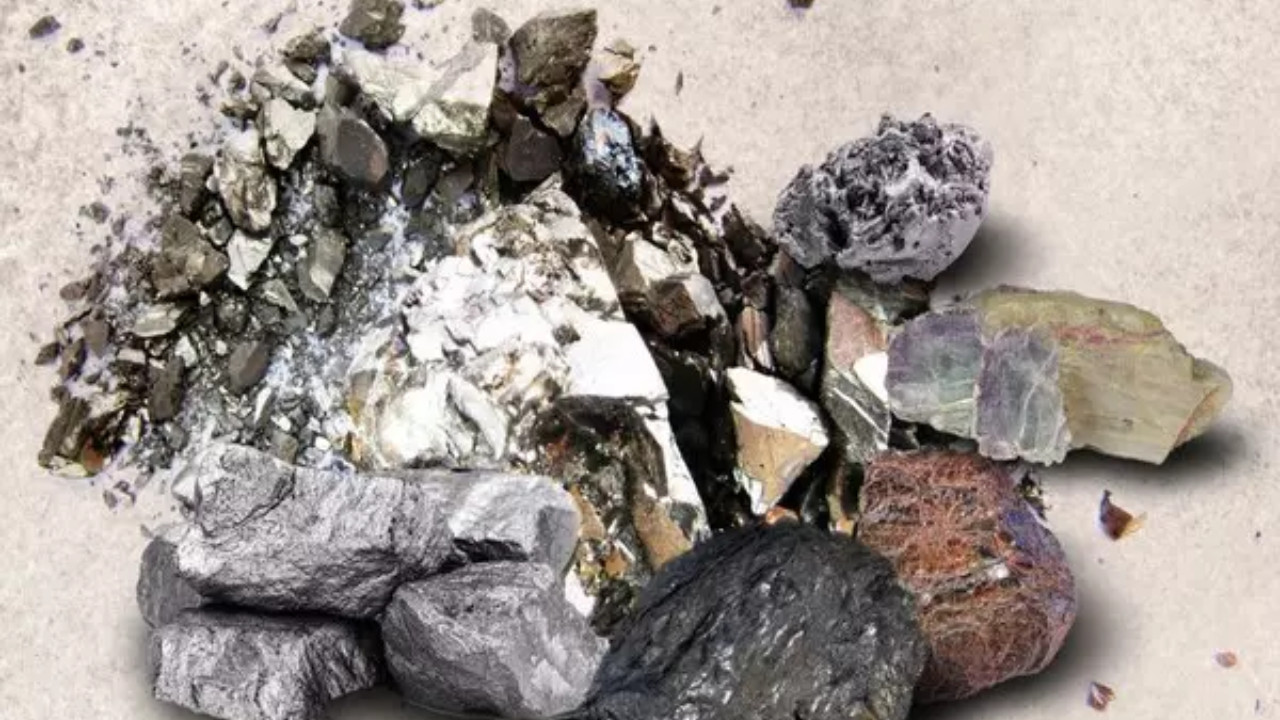
India’s quest to carve out a significant role in the rare earth element (REE) market has hit a snag, throwing a wrench into ambitious plans and highlighting the complexities of building a domestic supply chain in a sector dominated by China. The ripples are being felt particularly keenly in the proposed ₹7,300 crore ($875 million USD) initiative to produce permanent magnets, a critical component in everything from electric vehicles (EVs) and wind turbines to medical devices and defense systems. But what’s causing this turbulence in India’s rare earth aspirations?
China’s recent restrictions on the export of key equipment are a major contributing factor. While the specifics of these restrictions remain somewhat opaque, it’s clear that they are designed to safeguard China’s dominance in the REE processing and magnet manufacturing sectors. This move directly impacts India’s ability to acquire the specialized machinery needed to refine REEs and convert them into high-performance magnets.
The timing couldn’t be worse. India is actively trying to reduce its dependence on China for critical minerals, driven by both economic and strategic considerations. Rare earth elements are essential for many advanced technologies and renewable energy solutions, making them crucial for India’s economic growth and its transition to a greener future.
The Magnet Manufacturing Hurdles
The proposed permanent magnet plant represents a crucial step in India’s effort to create a vertically integrated REE industry. Currently, India possesses significant reserves of rare earth minerals, but it largely exports the raw ore. This means missing out on the added value of processing and manufacturing, leaving India vulnerable to price fluctuations and supply disruptions.

The magnet plant aimed to change this narrative. It was envisioned as a cornerstone of a self-reliant REE ecosystem, enabling India to produce magnets for domestic consumption and potentially for export. This would not only reduce import dependence but also create jobs and boost the manufacturing sector. The project, though, now faces serious delays due to the lack of access to essential equipment.
The export restrictions aren’t the only obstacle. Developing a robust REE industry requires significant investment in research and development, skilled manpower, and environmental safeguards. Extracting and processing REEs can be environmentally challenging, and India needs to ensure that its operations adhere to the highest standards of sustainability. The establishment of reliable rare earth supplies is essential to meet the needs of the local market.

Beyond Magnets: A Broader Rare Earth Strategy
India’s ambitions extend beyond just magnet manufacturing. The country is also exploring ways to enhance its capabilities in other areas of the REE value chain, including mining, refining, and the production of other REE-based materials. This involves promoting domestic exploration, attracting foreign investment, and fostering collaborations between government agencies, research institutions, and private companies.
One promising avenue is the exploration of seabed nodules, which contain significant quantities of rare earth elements. India has already made progress in this area and is actively pursuing deep-sea mining technologies. Success in this endeavor could significantly augment India’s REE reserves and reduce its reliance on land-based mining.

Furthermore, India is looking to partner with other countries that have significant REE resources or expertise in processing and manufacturing. These partnerships could provide access to technology, capital, and markets, accelerating the development of India’s REE industry. For example, Australia possesses substantial REE deposits and could be a valuable partner for India. This includes efforts to develop green technologies. Check out India’s advances in green energy tech here.
Navigating the Future: Challenges and Opportunities
India’s rare earth journey is fraught with challenges, but the potential rewards are substantial. Overcoming these challenges requires a multi-pronged approach that includes:
* Diversifying supply chains: Reducing reliance on any single source for equipment and materials.
* Investing in R&D: Developing indigenous technologies for REE processing and magnet manufacturing.
* Strengthening international partnerships: Collaborating with like-minded countries to secure access to resources and technology.
* Promoting sustainable practices: Ensuring that REE operations are environmentally responsible.
India has the potential to become a major player in the global rare earth market. By addressing the current challenges and pursuing a strategic and sustainable approach, India can unlock its REE potential and drive its economic growth and technological advancement. The current roadblocks, while significant, should be viewed as opportunities to innovate, collaborate, and build a more resilient and self-reliant REE ecosystem.