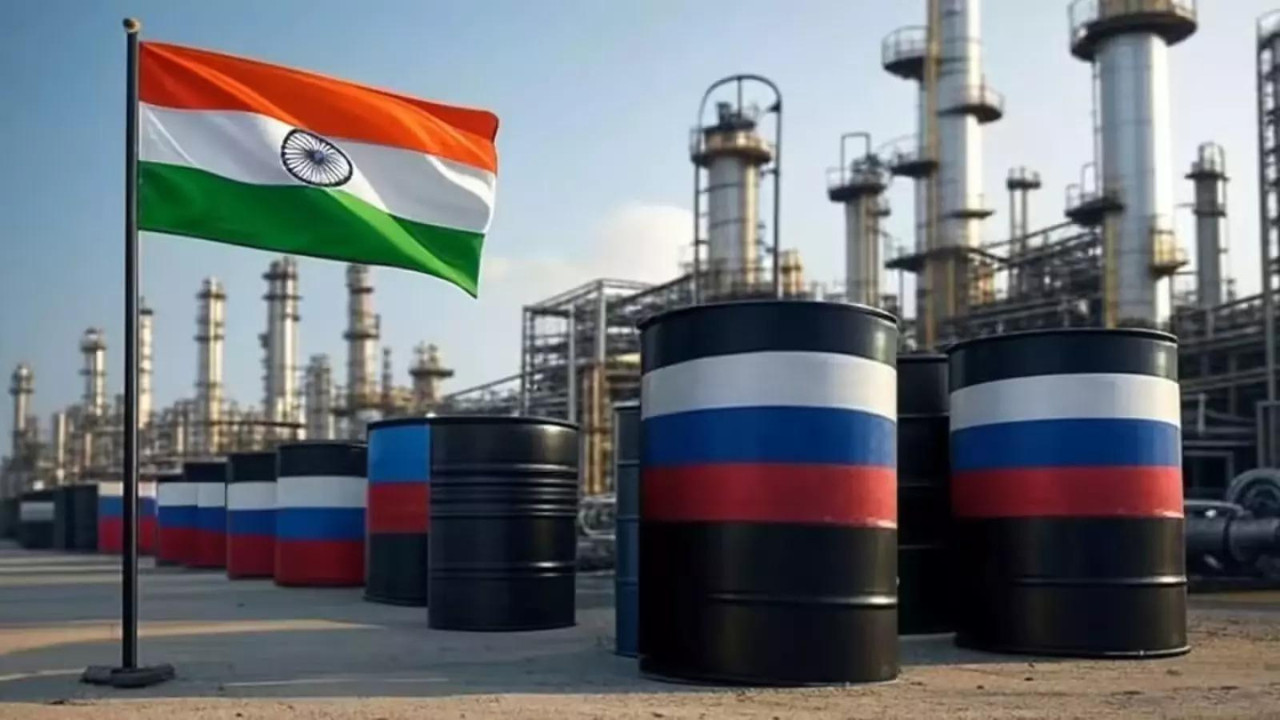
India’s Thirst for US Crude Oil: A New Chapter in Energy Dynamics
India’s energy landscape is constantly shifting, a complex dance influenced by global economics, geopolitical strategies, and ever-growing domestic demand. Recently, we’ve seen a fascinating development: India’s imports of US crude oil surged to their highest level since May 2022. This isn’t just a blip on the radar; it signals a potentially significant shift in India’s energy sourcing strategy.
What fueled this October surge? Several factors seem to be in play. Sanctions against Russia have undeniably reshaped global oil flows. While India continues to import Russian crude, the logistical and financial complexities involved may be pushing refiners to diversify their sources. US crude, readily available and priced competitively, presents a viable alternative.
Consider the economics. Global crude prices fluctuate wildly, driven by everything from OPEC decisions to unexpected geopolitical events. Indian refiners, constantly seeking the best possible deals, are naturally drawn to sources offering favorable pricing. This proactive approach to fuel India’s crude oil needs helps ensure the nation’s energy security and economic stability.


Furthermore, the increasing sophistication of Indian refineries plays a crucial role. Many are now equipped to process a wider range of crude oil grades, including the light sweet crude typically produced in the US. This enhanced refining capacity provides flexibility and allows India to capitalize on different market opportunities.
Beyond the immediate numbers, this surge in US crude imports has broader implications for the energy relationship between the two countries. It strengthens their strategic partnership and contributes to a more balanced trade relationship. Energy security is a cornerstone of any nation’s economic stability, and diversifying import sources is a pragmatic move towards achieving that goal.
We should also acknowledge the global context. China, another major consumer of crude oil, is constantly maneuvering in the market. The interplay between the demands of India and China significantly influences global oil prices and trade routes. India’s increasing appetite for US crude, therefore, has rippling effects that extend far beyond its own borders.
Looking ahead, it’s reasonable to anticipate further shifts in India’s energy sourcing. Factors such as domestic production, the evolving geopolitical landscape, and the push towards renewable energy sources will all shape future decisions. While India is actively investing in alternative energy solutions, crude oil will remain a vital component of its energy mix for the foreseeable future.

The bigger picture reveals a proactive and adaptive approach. India’s decision-makers are clearly focused on securing the nation’s energy future by diversifying supply chains, taking advantage of favorable market conditions, and investing in the infrastructure needed to process a wider range of crude oil types. This embrace of diverse strategies is key to navigating the complexities of the global energy market. You might also be interested in reading about [India’s renewable energy targets](internal-link-to-related-content).
This October’s import surge may very well be a harbinger of things to come: a future where the United States plays an increasingly important role in meeting India’s ever-growing energy demands. It showcases India’s capacity to adapt and thrive in the face of global energy uncertainties, solidifying its position as a key player in the international energy arena.