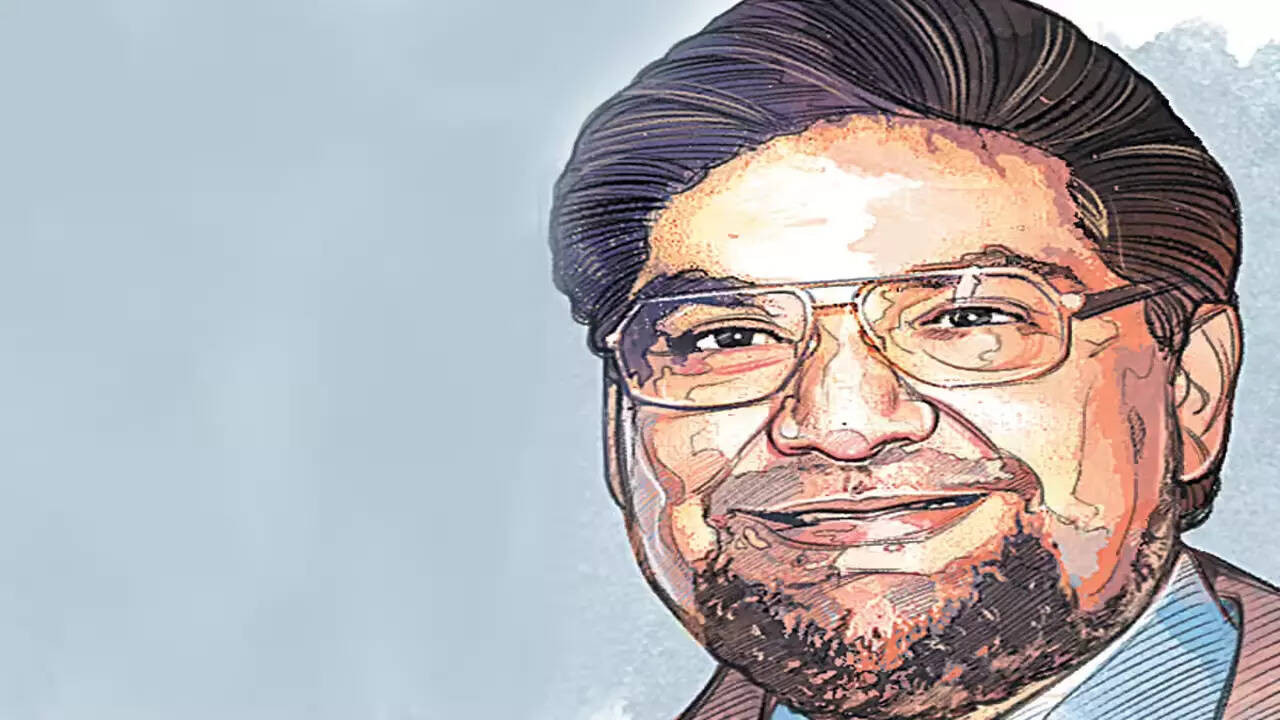
Mehli Mistry’s tenure as a trustee at Tata Trusts appears to be ending as key figures Noel Tata, Venu Srinivasan, and Vijay Singh have not approved his term extension. This decision, made by a majority of trustees, signals a significant shift within the prestigious Tata group.
Shifting Sands: Mehli Mistry’s Exit from Tata Trusts
The venerable Tata Trusts, pillars of philanthropy in India for over a century, are experiencing a significant tremor. News recently broke that Mehli Mistry, once considered a close confidante of Ratan Tata, faced a vote regarding his removal from key positions within the Trusts. This development, more than just a boardroom drama, signals a potential realignment of power and priorities within one of the nation’s most influential charitable organizations.
Mistry’s long association with the Tata Group is well-documented. His influence extended far beyond the boardroom, leading many to see him as a trusted advisor to Ratan Tata himself. However, the relationship, like any long-standing partnership, has apparently evolved, leading to this pivotal moment. The exact reasons for the move aren’t publicly aired, but the very fact of a majority vote concerning his position speaks volumes.
The Nuances of Leadership and Decision-Making
The Tata Trusts operate with a unique structure, a complex web of individuals and committees dedicated to disbursing funds and guiding the Trusts’ philanthropic endeavors. These decisions impact areas ranging from healthcare and education to rural development and disaster relief, touching the lives of millions across India. It’s this wide-reaching impact that makes changes at the leadership level so noteworthy. Any shift in personnel naturally leads to questions about potential changes in strategy, funding priorities, and overall direction.

The news evokes the inevitable questions of succession planning and the delicate balance of power within large organizations. How does an institution steeped in tradition navigate the changing needs of a modernizing world? How does it ensure that its leadership reflects both experience and a forward-thinking vision? These are challenges faced by many organizations, but they are amplified in the context of the Tata Trusts, given their immense social responsibility.
What Does This Mean for the Future of the Tata Trusts?
While the specifics of the vote remain shrouded in boardroom confidentiality, it’s reasonable to infer that a re-evaluation of the Trusts’ direction might be underway. Perhaps the Trustees are seeking a fresh perspective, a renewed commitment to certain philanthropic goals, or simply a streamlining of operations. Whatever the underlying rationale, the impact of this decision will likely resonate throughout the Trusts’ various initiatives.

The future direction of the Tata Trusts hinges on this leadership transition. Will we see a consolidation of existing programs, a foray into new areas of social impact, or a shift in the Trusts’ overall approach to philanthropy? The answers to these questions will unfold in the coming months as the new leadership structure takes shape and its strategic vision becomes clearer. It is not beyond the realm of possibility that the changes will usher in a new era of technological integration, data-driven decision-making, and an even greater focus on measuring the impact of the Trusts’ work. The possibilities for growth and innovation are truly endless.

Beyond the Headlines: The Human Element
It’s important to remember that behind the corporate structures and strategic decisions are real people. Mehli Mistry’s departure marks the end of a chapter in his long association with the Tata Group. The personal relationships forged over years of collaboration and shared purpose add a layer of complexity to any such transition. Regardless of the reasons behind the change, it’s a moment of significant professional and personal impact.
This event also underscores the importance of adaptability and evolution within organizations. Even the most established institutions must be willing to re-evaluate their leadership and strategies in order to remain relevant and effective. The Tata Trusts, with their long history of serving India, are now faced with the challenge of charting a course for the future, navigating the complexities of a rapidly changing world while staying true to their core values. Learn about [the history of Tata Group’s philanthropic work here](internal-link).
The situation at the Tata Trusts serves as a reminder that even the most stable organizations are subject to change. While the specific reasons for Mehli Mistry’s departure might remain confidential, the event itself highlights the ongoing need for adaptation, strategic renewal, and a commitment to effective leadership within organizations dedicated to social impact. The true test lies in the Trusts’ ability to navigate this transition and continue their vital work in the years to come.