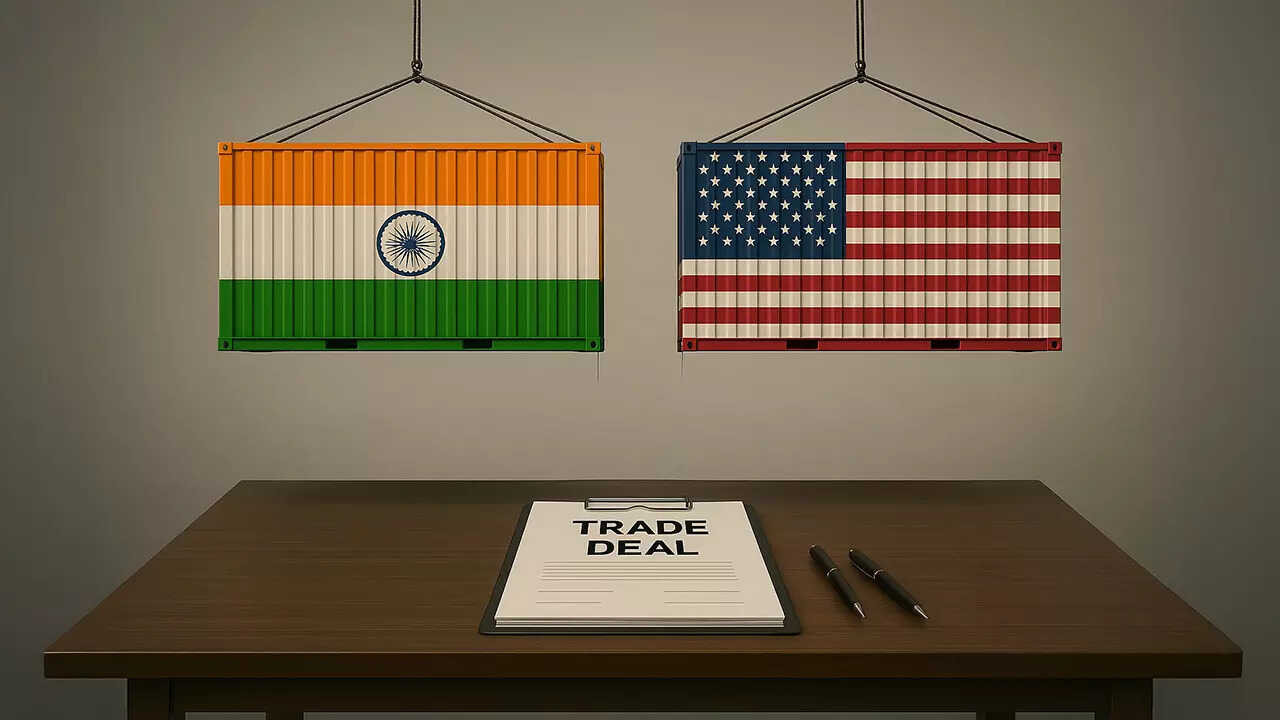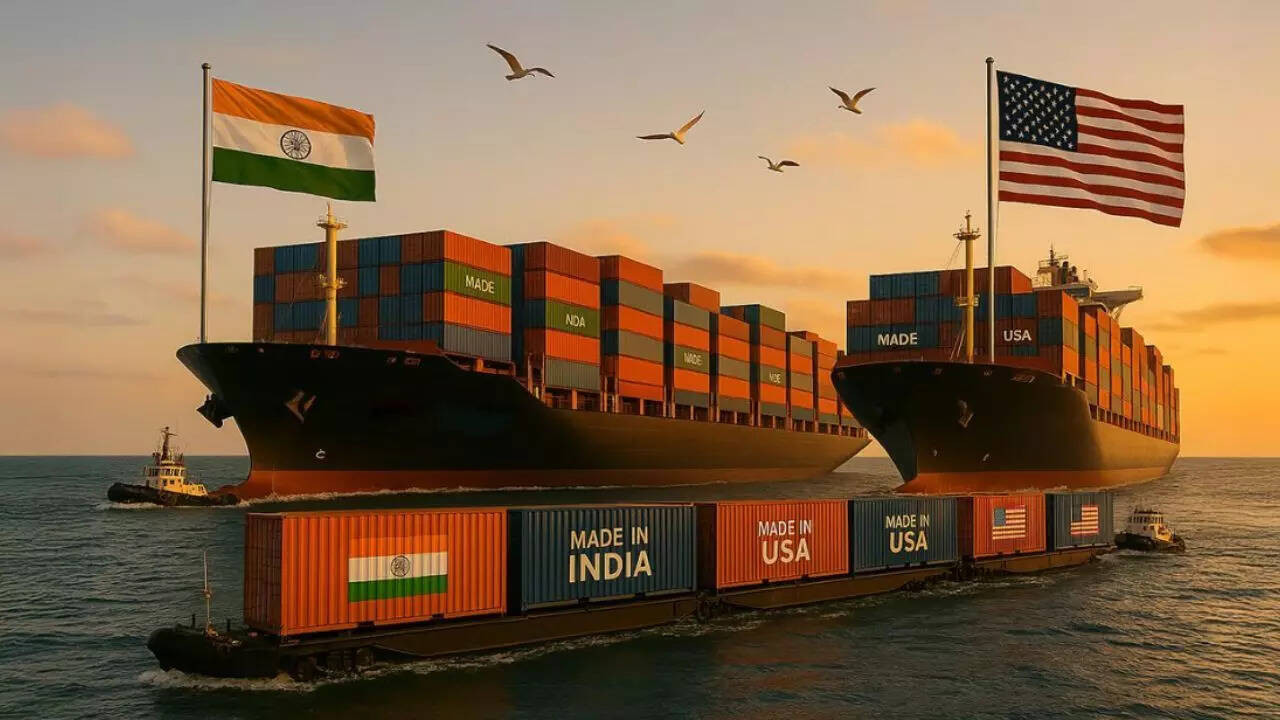
US President Trump faces a complex trade negotiation in South Korea, aiming for a $350 billion investment commitment, a demand Seoul finds challenging due to potential economic harm. Discussions have slowed over investment structure and profit distribution, contrasting with a more harmonious visit to Japan where significant investment pledges were secured.
Is the Tide Turning? Japan’s Trade Wind Blows Strong While South Korea Faces Headwinds
The global trade landscape is constantly shifting, a complex dance of tariffs, agreements, and political maneuvering. Remember the days when then-President Trump shook things up with his “America First” approach, renegotiating existing deals and forging new paths? While those initial moves stirred plenty of controversy, the dust is settling, revealing which relationships have weathered the storm and which are still navigating choppy waters. Right now, Japan and South Korea offer a compelling case study in how different approaches to trade negotiations can yield drastically different outcomes.
Japan, it seems, has found a way to not only survive but thrive in this new era. Their recent commitment of $490 billion in investments and job creation in the US showcases a strategic charm offensive that appears to be paying dividends. But what about South Korea? The picture there is far less clear.

Japan’s Winning Strategy: More Than Just Dollars and Cents
It’s easy to look at the massive $490 billion figure and assume that’s the whole story. But Japan’s success goes beyond simply writing a big check. Their approach appears rooted in building genuine, mutually beneficial relationships. Think of it as a long-term investment in goodwill, rather than a quick cash grab.

This involves more than just trade agreements; it’s about aligning interests and creating opportunities that benefit both nations. This strategy also includes investments in key sectors, such as electric vehicles and renewable energy, aligning with current global priorities and creating jobs for the future. By actively contributing to the US economy in tangible ways, Japan is solidifying its position as a valuable partner.
South Korea’s Stumbling Blocks: A More Complex Relationship
The situation with South Korea presents a stark contrast. While specifics of the negotiations remain tightly guarded, there’s a palpable sense of uncertainty. What’s causing the hold-up?
Several factors could be at play. One possibility is a difference in negotiating styles. Perhaps South Korea is taking a harder line, pushing for terms that the US is unwilling to concede. Another factor might be differing priorities. While Japan appears to have proactively aligned its investments with US interests, South Korea may be focusing on sectors that are less immediately appealing to the current administration. We explored the US-China trade dynamic in an earlier post, and the complexities of those negotiations could be shadowing these discussions as well.
It’s also important to remember that global trade is a constantly evolving game. The political landscape in both countries plays a significant role. Changes in leadership or shifts in public opinion can influence trade policy and impact negotiations.
Implications for the Future of Trade
The divergent paths of Japan and South Korea offer valuable lessons for other nations navigating the complexities of international trade. Japan’s proactive and collaborative approach seems to be a winning formula, while South Korea’s struggles highlight the potential pitfalls of a more rigid or less aligned strategy.

Ultimately, successful trade relationships are built on mutual trust, shared goals, and a willingness to adapt to changing circumstances. While economic factors are undeniably important, the human element cannot be overlooked. The ability to build strong relationships, understand each other’s needs, and find common ground is crucial for forging lasting and mutually beneficial trade agreements.
What Does This Mean for You?
These international trade negotiations might seem distant, but they ripple outwards, impacting everything from the price of goods to job creation within various sectors. Understanding the dynamics at play allows you to better anticipate future economic trends and make informed decisions, whether you’re a business owner, investor, or simply a concerned citizen. As the global trade landscape continues to evolve, one thing is certain: adaptability, strong relationships, and a focus on mutual benefit will be key to success.