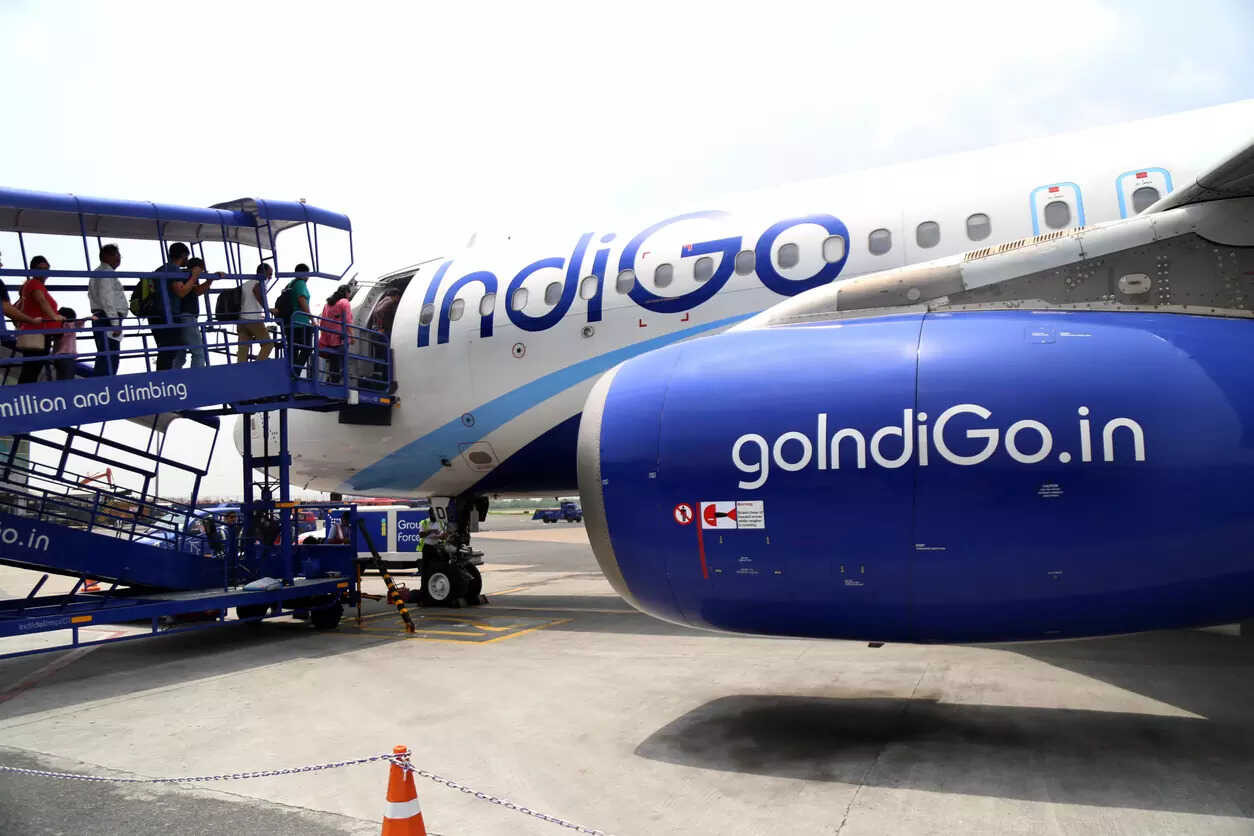
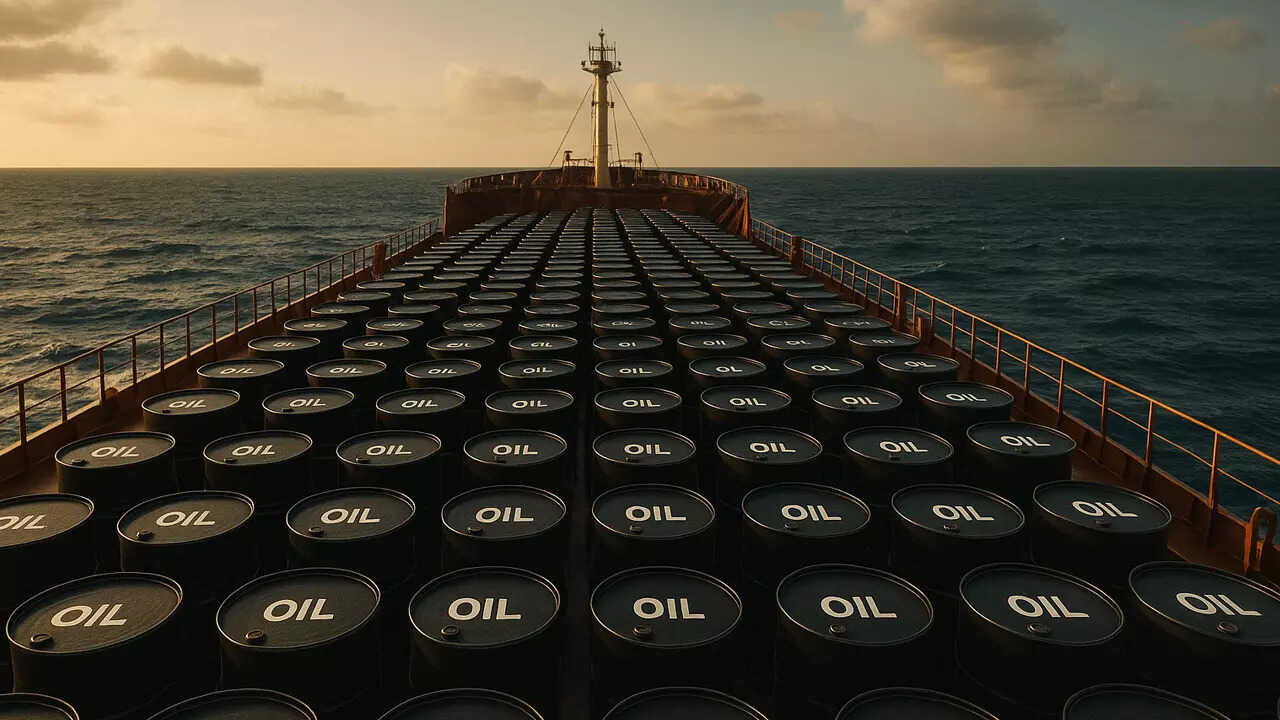
A Russian crude oil tanker bound for India has altered its course and is now stationary in the Baltic Sea. This could indicate possible complications in crude oil trade between the two nations following stricter US sanctions against Russia.
A Russian Oil Tanker’s Curious U-Turn: What’s Happening with India’s Energy Imports?
The high-stakes game of global oil trade just got a whole lot more interesting, and potentially unsettling, for India. A Russian crude oil tanker, once steaming full speed towards India, has abruptly changed course and is now idling in the Baltic Sea. This unexpected maneuver raises questions about the impact of recent U.S. sanctions on Russian oil and the potential ripple effects for India’s energy security.
For months, India has been a significant buyer of discounted Russian crude, helping Moscow maintain revenue streams despite Western sanctions imposed following the invasion of Ukraine. This arrangement has been a boon for India, allowing it to secure crucial energy supplies at competitive prices. But is the party coming to an end?
Why the Sudden Stop? Decoding the Tanker’s Detour
The tanker’s U-turn comes hot on the heels of escalating U.S. sanctions targeting entities involved in the Russian oil trade. These sanctions aim to tighten the screws on Moscow’s ability to fund its war efforts by disrupting the complex network of shipping and financial transactions that facilitate the trade of Russian crude.
While the specifics of why this particular tanker diverted course remain unclear, it’s plausible that the vessel or the companies involved in its operation are now under scrutiny by U.S. authorities. Faced with the prospect of being blacklisted and potentially cut off from the global financial system, those responsible may have opted for caution.

It’s also possible that the tanker’s buyer, or its financing, encountered unforeseen complications. Sanctions compliance is a minefield, and even seemingly minor discrepancies can trigger red flags, leading to delays or outright cancellations of shipments.
<img src="https://example.com/image-of-oil-tanker.jpg" alt="Oil tanker at sea, representing the potential disruption to India's Russian oil imports.” width=”600″ height=”400″>
India’s Balancing Act: Navigating Sanctions and Energy Needs
India finds itself in a delicate position. On one hand, it needs to secure affordable energy to fuel its booming economy. On the other, it must navigate the complex geopolitical landscape and avoid running afoul of Western sanctions. This incident highlights the challenges inherent in that balancing act.
The Indian government has consistently maintained that its energy purchases are driven by national interest and do not violate any international laws. However, the tightening of U.S. sanctions will undoubtedly force Indian companies to exercise even greater due diligence when engaging in the Russian oil trade.
Possible Impacts on India’s Energy Landscape

The tanker’s diversion could have several consequences for India:
* Short-Term Price Fluctuations: Any perceived disruption in supply can lead to temporary price increases in the domestic market. While India has diversified its energy sources, a sudden shortfall in Russian crude could put upward pressure on prices.
* Increased Scrutiny of Transactions: Indian companies will likely face increased scrutiny from Western banks and financial institutions, potentially making it more difficult and costly to finance Russian oil purchases.
* Diversification of Sourcing: While Russia has been a major supplier, this event could accelerate India’s efforts to further diversify its energy sources, including increased imports from the Middle East, Africa, and the Americas. This is related to [India’s evolving energy policy](https://example.com/india-energy-policy).
* Potential for Geopolitical Friction: While India and the U.S. maintain a strong strategic partnership, differing perspectives on Russia could create friction. India will need to carefully manage its relationship with both countries.
The Future of India’s Russian Oil Relationship
The incident with the diverted tanker serves as a stark reminder of the risks and complexities involved in the global oil trade, particularly in the context of sanctions. While India is unlikely to completely abandon its reliance on Russian crude overnight, the tightening of U.S. sanctions will undoubtedly have a chilling effect. Companies are going to have to be more careful to make sure that they are in compliance with all international and federal laws and regulations to avoid penalties.
The incident underscores the need for India to proactively manage its energy security by diversifying its sources, strengthening its due diligence processes, and engaging in open and transparent communication with its international partners. Ultimately, this tanker’s U-turn may be a harbinger of a new era in India’s energy landscape, one defined by heightened scrutiny, increased complexity, and the imperative for strategic diversification.