Norway’s sovereign wealth fund, a major Tesla investor, opposes Elon Musk’s massive pay package. The fund cites concerns over the award’s size and potential dilution. This vote comes ahead of Tesla’s shareholder meeting where the plan is a key point of contention. While some investors support Musk, citing his crucial role, others express reservations about governance and compensation practices.
The Billion-Dollar Gamble: Is Elon Musk’s Pay Package Worth the Risk?
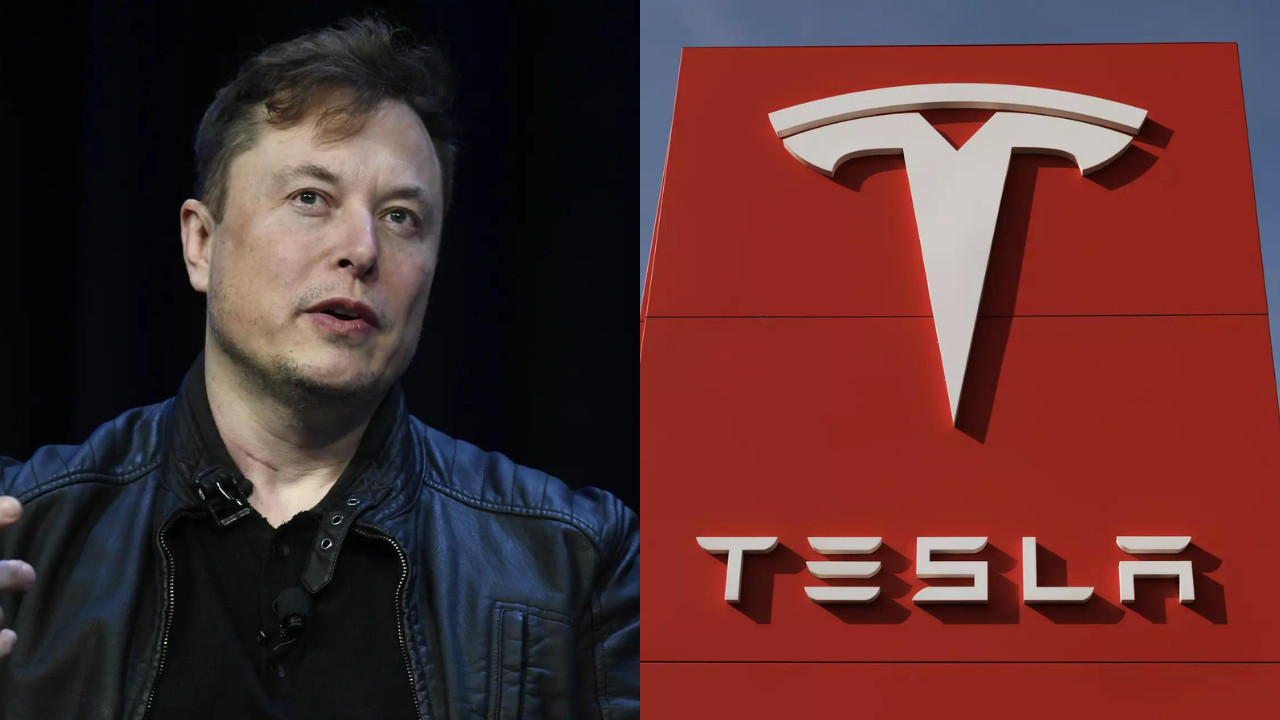
Elon Musk. The name itself conjures images of electric cars, space rockets, and maybe even the occasional flamethrower. But behind the visionary CEO lies a company, Tesla, and a looming battle over an unprecedented compensation package that’s testing the very fabric of shareholder loyalty. Buckle up, because this is a story of high stakes, massive numbers, and a fundamental question: how much is too much?
The saga revolves around a 2018 agreement that could potentially award Musk upwards of $56 billion in Tesla stock. The catch? He needs to hit a series of ambitious milestones, including boosting Tesla’s market capitalization to a staggering $1 trillion. He’s achieved the milestones, but the deal is now being challenged.
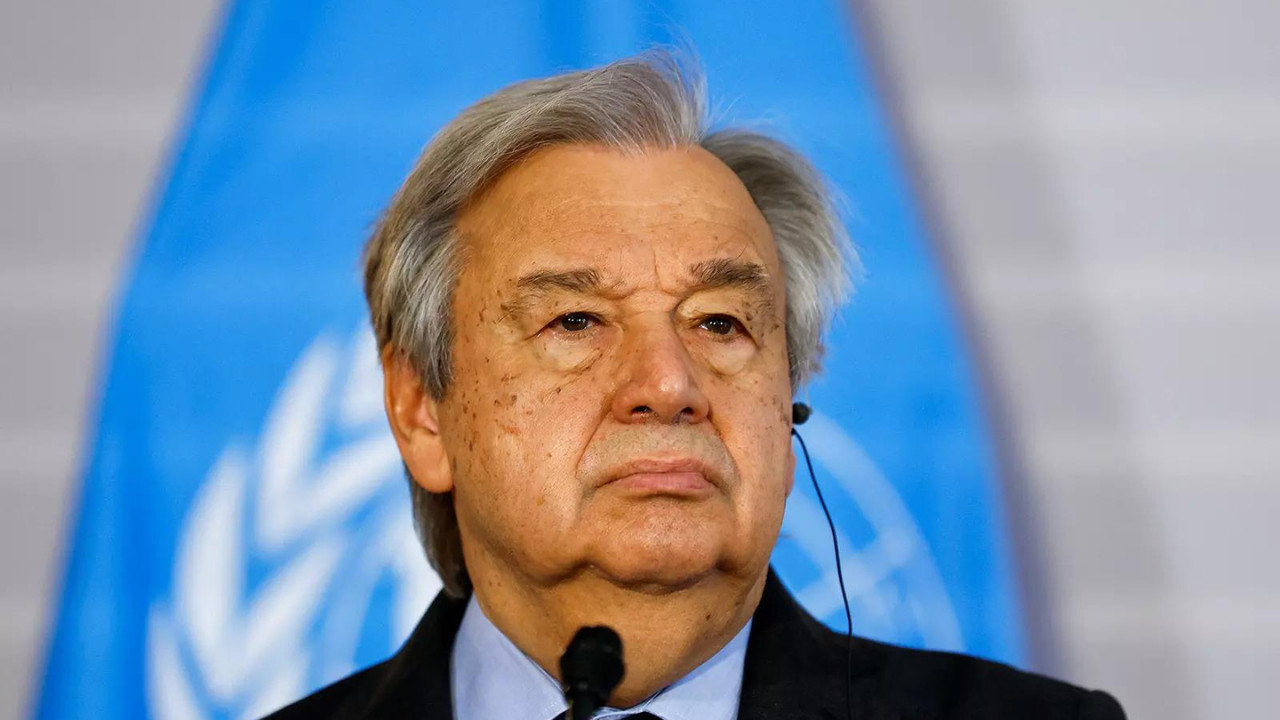
Now, Norway’s sovereign wealth fund, one of Tesla’s largest shareholders, has publicly announced its intention to vote against the package. This isn’t some small-time investor making noise. We’re talking about the world’s largest sovereign wealth fund, managing over $1.5 trillion in assets. Their opposition sends a powerful signal, questioning whether the potential reward aligns with the actual risk being taken by investors.
<img src="image-of-tesla-elon-musk.jpg" alt="Elon Musk presenting a Tesla vehicle, representing the high-stakes decision regarding his pay package.”/>

Why the Pushback on Musk’s Compensation?
The argument against the package isn’t necessarily about whether Musk deserves to be richly rewarded for his accomplishments. Tesla’s growth under his leadership has been nothing short of remarkable. Instead, the concerns center on the sheer size and structure of the deal. Critics argue that the milestones are potentially achievable even without Musk’s full dedication, raising the question of whether the payout is truly performance-based.
Furthermore, the concentration of power and wealth in a single individual raises governance concerns. Does this massive compensation package truly serve the best interests of all shareholders, or does it disproportionately benefit Musk at the expense of others? This is a crucial point for long-term sustainability and investor confidence.
A $1 Trillion Target and the Test of Shareholder Loyalty
The $1 trillion target, while initially audacious, has been reached, adding fuel to the fire. Should Musk be rewarded for hitting a goal that some believe was almost inevitable, given the overall market trends and the initial valuation of Tesla back in 2018? The debate highlights the inherent difficulty in crafting performance-based compensation plans that accurately reflect the complexities of a rapidly evolving market.
The vote on this compensation package is shaping up to be a critical test of shareholder loyalty. Will investors prioritize short-term gains and reward Musk for Tesla’s current success, or will they take a more cautious approach, focusing on long-term value creation and corporate governance? The outcome will undoubtedly set a precedent for future executive compensation deals, not just in the automotive industry, but across the entire corporate landscape.
The decision also highlights the tension between rewarding innovation and maintaining responsible governance. Tesla’s success is undeniably linked to Musk’s vision and drive. However, unchecked power and disproportionate rewards can create an environment ripe for abuse and erode trust among stakeholders.

The Ripple Effect
The impact of this vote extends far beyond Tesla’s boardroom. It’s a reflection of the growing scrutiny surrounding executive compensation in an era of increasing income inequality. As companies navigate complex challenges and strive for innovation, the question of how to fairly reward leadership while safeguarding the interests of all stakeholders remains a crucial, and often contentious, issue. It also ties into larger discussions about ethical investing and ESG (Environmental, Social, and Governance) factors, with investors increasingly demanding accountability and transparency from the companies they support.
The resolution regarding Musk’s pay is expected to be voted on at Tesla’s annual meeting.
Tesla’s story is interwoven with innovation, ambition, and the ever-present question of value. As Tesla continues to push boundaries in the automotive and energy sectors (for related reading, see our article on the future of electric vehicle infrastructure), the debate surrounding Musk’s compensation package serves as a potent reminder that even the most groundbreaking companies must operate within a framework of responsible governance and equitable distribution of wealth. The upcoming vote will be more than just a decision about one executive’s pay; it will be a defining moment for Tesla and a bellwether for corporate governance in the years to come.