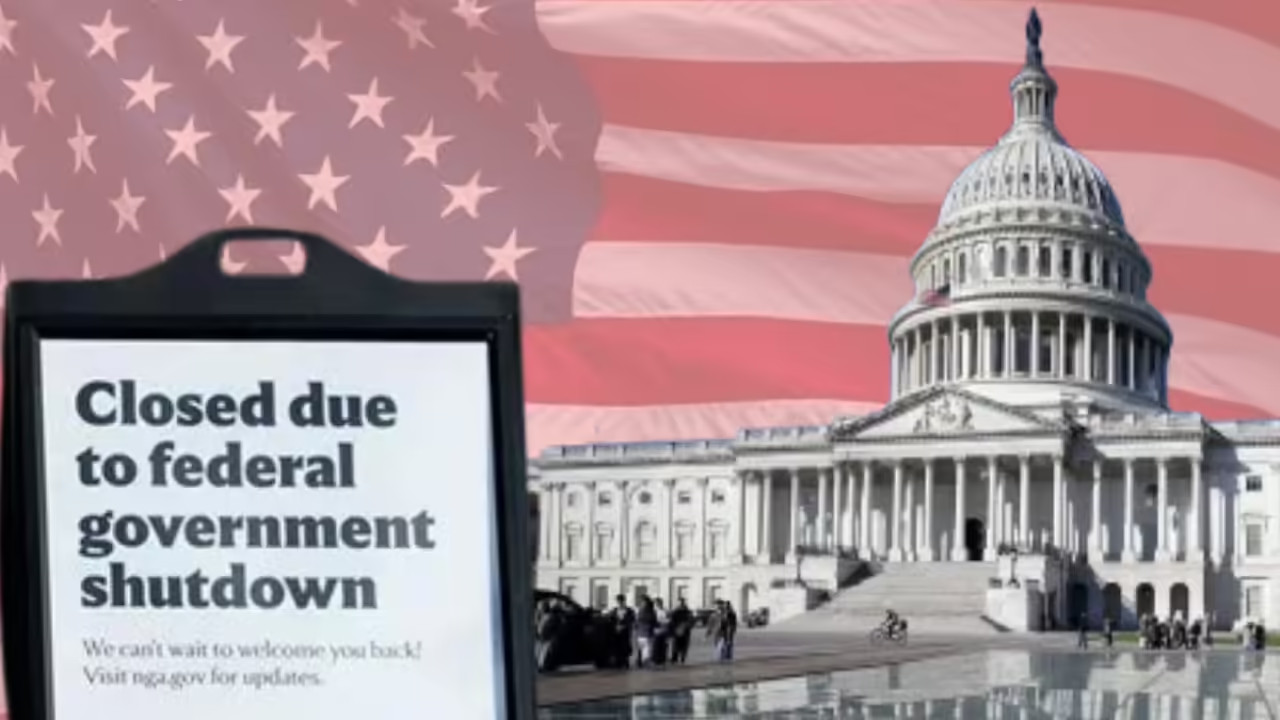
America faces an unprecedented government shutdown, now the longest in history, crippling federal agencies and impacting millions. Essential services like food aid are suspended, and federal workers are unpaid, raising concerns about travel chaos and potential benefit disruptions. A bitter dispute over healthcare funding fuels the political stalemate, with no resolution in sight and growing economic damage.
When the Lights Flicker: Remembering the Longest US Government Shutdown
Remember when the world felt like it was holding its breath? Back in late 2018 and early 2019, the United States experienced something unprecedented: the longest government shutdown in its history. It wasn’t a fleeting blip; it stretched on for a staggering 35 days, leaving a noticeable mark on the nation. The shutdown provides insight into the deep political divisions that define American politics and the real-world consequences of legislative gridlock.
The crux of the matter? A border wall. Then-President Trump staunchly demanded funding for a wall along the U.S.-Mexico border, a key promise from his campaign. Democrats, holding firm in the House of Representatives, refused to allocate the necessary funds, viewing the wall as ineffective and a misuse of taxpayer money. The disagreement escalated, triggering a partial government shutdown as funding for numerous federal agencies lapsed.
The impact was widespread and felt across various sectors. Hundreds of thousands of federal employees were furloughed or worked without pay. Imagine the stress of not knowing when your next paycheck would arrive, struggling to make ends meet while still expected to perform your duties. This wasn’t just about politics; it was about people’s lives.
The shutdown rippled through the economy. Federal contractors faced delays and uncertainty, impacting businesses large and small. Tourism suffered as national parks became understaffed and some were even forced to close, impacting local economies that depend on park visitors. Government services, from processing tax refunds to conducting routine inspections, were delayed, creating bottlenecks and frustration.


The Human Cost of Political Gridlock
Beyond the economic impact, the government shutdown took a significant toll on morale and public trust. The inability of elected officials to compromise and find common ground eroded faith in the political system. Federal employees, often dedicated public servants, felt caught in the crossfire of a political battle they had no control over. The shutdown highlighted the fragility of essential government functions and the potential for political maneuvering to disrupt everyday life.
Stories emerged of TSA agents working without pay, struggling to cover childcare and transportation costs. Food banks saw an increase in demand as furloughed workers turned to them for assistance. The shutdown exposed the vulnerability of many Americans who rely on steady paychecks to make ends meet. The crisis exposed the very real impact of policy and politics on people’s livelihoods.
The Aftermath and Lessons Learned

The shutdown finally ended with a temporary agreement to reopen the government without funding for the wall. While the immediate crisis was averted, the underlying issues remained unresolved. The episode served as a stark reminder of the potential for political polarization to disrupt government operations and impact the lives of ordinary citizens. To read more on the effects of governmental policy and politics, explore this article.
The 2018-2019 government shutdown wasn’t just a political stalemate; it was a human story. It highlighted the importance of compromise, the need for responsible governance, and the real-world consequences of political decisions. While the shutdown eventually ended, the lessons learned remain relevant. As citizens, it’s essential to understand the complexities of government and to hold our elected officials accountable for their actions. By understanding the past, we can work towards a future where political disagreements don’t hold the nation hostage.
Ultimately, the longest government shutdown in US history underscores the need for constructive dialogue and a commitment to finding common ground, even amidst deep political divisions. It serves as a reminder that effective governance requires more than just partisan victories; it demands a focus on the well-being of the people and the responsible stewardship of public resources.