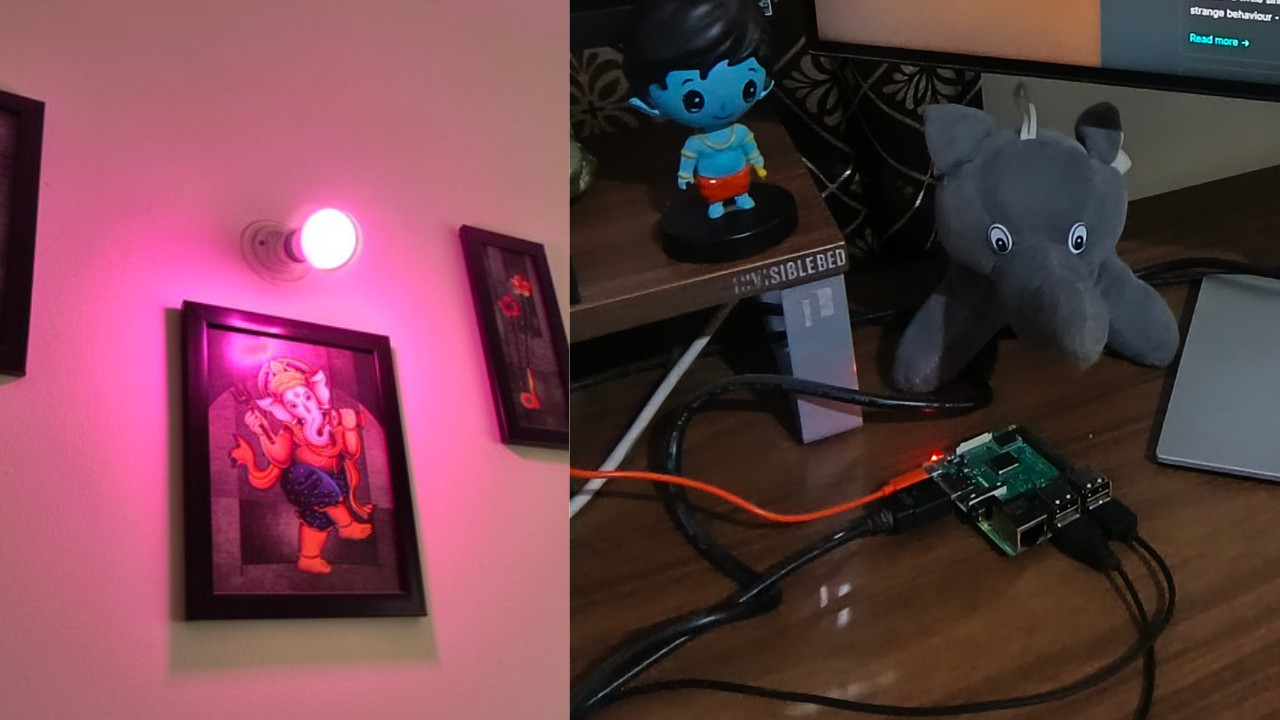
An X user has ingeniously linked their Zerodha stock portfolio to their bedroom lights, which turn red to signal losses. This creative use of smart home technology, shared online, has sparked amusement and awe, with even Zerodha humorously acknowledging the innovation.
From Trading Screens to Living Rooms: When Your Smart Home Reacts to Your Portfolio
Imagine your living room morphing into a real-time reflection of your stock market performance. Sounds like something out of a sci-fi movie, right? Well, a techie in Bengaluru has turned this concept into reality, sparking a wave of amusement and intrigue across the internet. He’s ingeniously linked his stock portfolio to his smart home lighting system, creating a tangible, and potentially stressful, visual representation of his investments.
Forget passively checking your trading app – this setup offers an immersive, albeit slightly anxiety-inducing, experience. Green hues bathe the room when his portfolio is in the black, signaling growth and prosperity. But when the market takes a dip, the lights shift to a sobering red, a stark reminder of the volatile nature of the stock market.
This isn’t just about fancy lighting; it’s a clever fusion of technology and personal finance, pushing the boundaries of what a smart home can truly do. It begs the question: are we ready for our homes to become so intimately intertwined with our financial lives?
How It Works: The Tech Behind the Ticker-Tape Lights
The brains behind this operation lie in a blend of software skills and a keen understanding of Application Programming Interfaces (APIs). The Bengaluru-based engineer uses Zerodha’s Kite Connect API to access real-time data from his investment portfolio. This data is then fed into a custom-built script that translates the portfolio’s performance into commands for his smart lighting system. Essentially, the code monitors the fluctuations in his investments and triggers corresponding color changes in his smart bulbs.

While the specifics of the code remain under wraps, the concept itself is relatively straightforward for anyone with experience in software development and access to relevant APIs. This ingenious application highlights the power of open APIs and the creative possibilities they unlock. The beauty of it is in its simplicity – taking complex financial data and turning it into something immediately understandable and visually engaging.

More Than Just a Gimmick? The Potential of Data-Driven Homes
While the initial reaction to this project is often amusement, it points towards a larger trend: the integration of data into our living spaces. Imagine your smart thermostat automatically adjusting based on energy prices, or your refrigerator suggesting recipes based on the current cost of ingredients. The possibilities are endless.
This project also provides an interesting (if potentially stressful) feedback mechanism for investors. Seeing the red lights might prompt some to re-evaluate their investment strategies, encouraging a more disciplined approach to portfolio management. Conversely, a room bathed in green could reinforce positive investment decisions and boost confidence.
However, there’s also a risk. Constantly being confronted with the ups and downs of the market could lead to impulsive decisions and increased stress. It raises important questions about the psychological impact of such immersive financial feedback. It also reminds us of the importance of cybersecurity, as demonstrated by recent ransomware attacks in the healthcare sector discussed on this site. A compromised financial data stream could have serious implications for a setup like this.

Smart Home Integration: The Future is Now
This project underscores how rapidly the Internet of Things (IoT) is evolving. No longer are smart homes limited to simple tasks like turning on lights or playing music. They are becoming increasingly sophisticated, capable of processing complex data and responding in nuanced ways.
As APIs become more accessible and technology becomes more user-friendly, we can expect to see even more innovative applications of smart home technology emerge. Perhaps we’ll see homes that adjust their ambiance based on our mood, or that proactively manage our finances based on our spending habits. The line between our physical and digital lives is blurring, and our homes are at the forefront of this transformation.
Ultimately, this Bengaluru techie’s creation is more than just a quirky internet story. It’s a glimpse into a future where our homes are not just places we live, but intelligent, data-driven environments that respond to our needs and reflect our lives in ways we are only beginning to imagine. What started as an entertaining experiment could pave the way for a new era of personalized and responsive living spaces.